The Last Ahwari and Their 100 Buffaloes
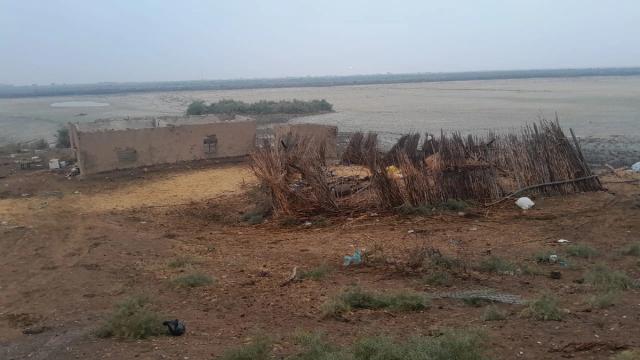
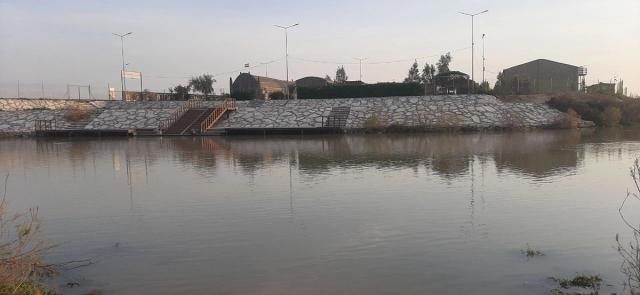
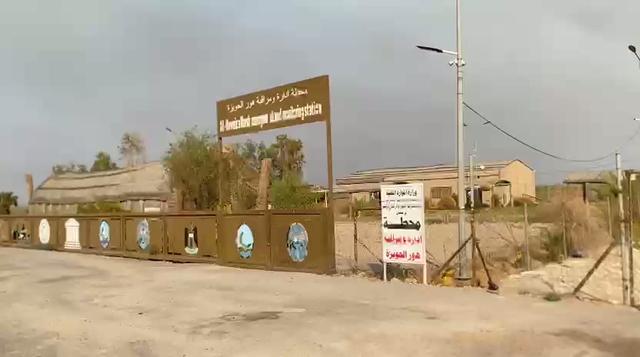
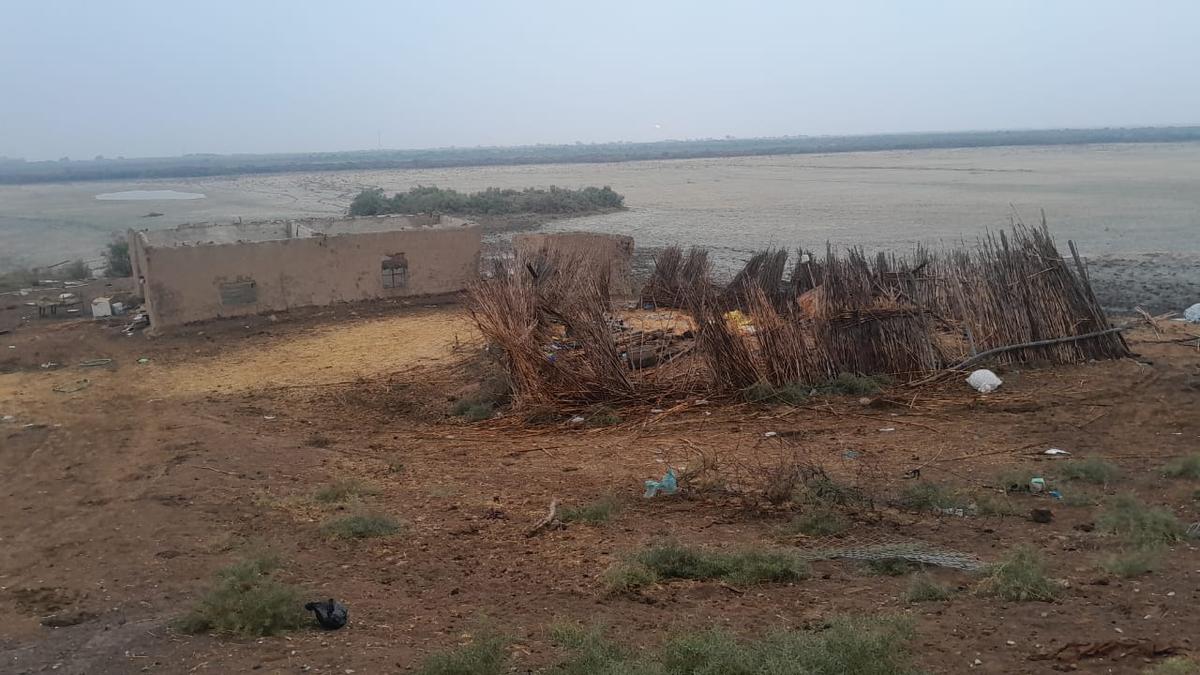
Kathim, his wife, and their water buffaloes lived closer to Al-Hawizeh Marsh than any other Ahwari. So close that, once, you couldn’t have told where the dry land beneath their home ended and the marsh water began. Ever since the Ahwari people returned after the US-led invasion of Iraq and the fall of the Ba’ath regime, no one has been able to build in and around the marsh the way they did before their forced displacement in the 1980s and 1990s. Before he left, Kathim had only one neighbor: the Al-Hawizeh Marsh Management and Monitoring Station. It was built by the Center for the Restoration of the Iraqi Marshlands and Wetlands, part of the Ministry of Water Resources, after the marsh was listed as a UNESCO World Heritage site in 2016. The station’s task is to monitor the marsh’s ecological recovery and oversee its sustainable management. The station was preceded by its mudhif, a reed guesthouse built using traditional Ahwari methods. The mudhif receives officials and foreign delegations who come to hear about the marsh’s rich ecology, which earned it UNESCO World Heritage status and recognition as a Wetland of International Importance under the Ramsar Convention. On the one hand, the proximity of Kathim’s home to the marsh speaks to an ancestral relationship with its ecology. On the other, the proximity of the station and its mudhif can be read as tied to staging the performance of protecting the marsh.
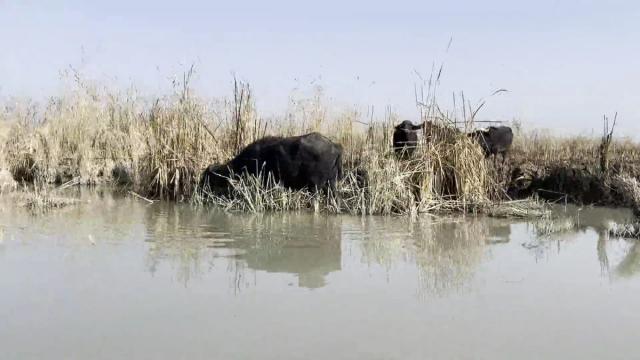
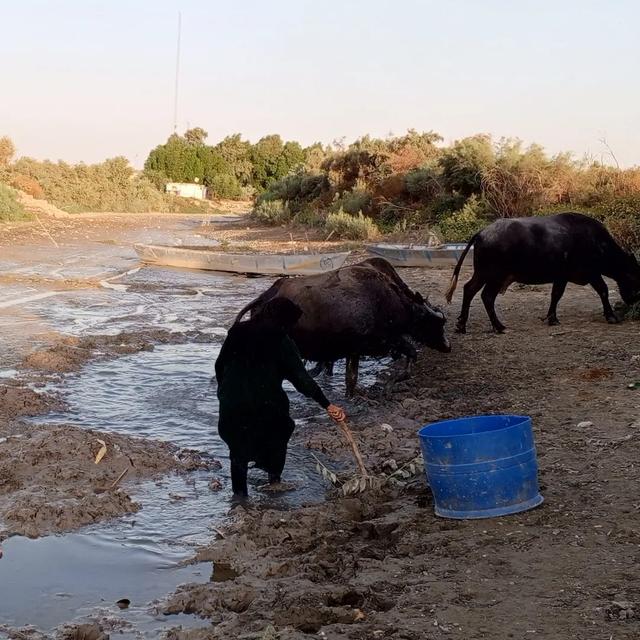
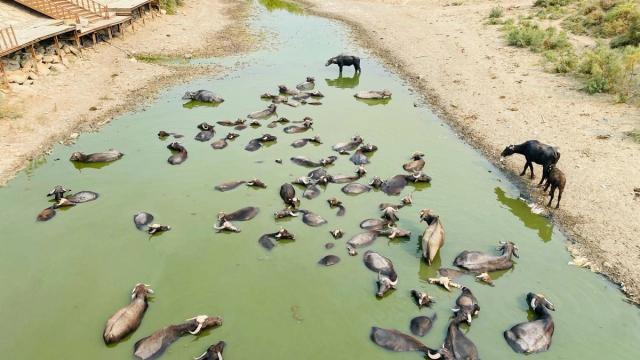
The water buffaloes were never only livestock. They are companions, friends, each with a unique name, and part of the marsh rhythm and a way of life. Their milk sustained families: their dairy sold in nearby markets, their meat could be sold occasionally, and their manure dried into fuel and fertilizer. In the marsh, they did ecological work of grazing overgrown vegetation, opening waterways, and turning reeds into a usable resource. A herd was not property but an integral part of the household. To sell the herd was not simply transactional. It was retiring an entire way of living. With so few sweat glands, water buffalo spend more than ten hours a day submerged in water just to survive the heat, grazing on the reeds the marsh grows. As the marsh dried a little more each day, it was better to sell them than to watch them die for nothing.
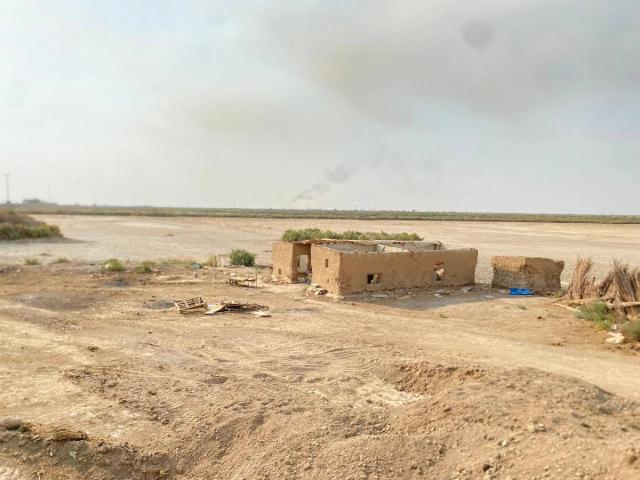
Kathim could only sell the buffalo but not the land. Ahwari people were never granted ownership documents for their ancestral lands or waters. After all, they lived on reedbeds on the waters of the marsh, rebuilding as conditions shifted and moving when the waters moved. This was never a way of life that aligned with state logics of land ownership. The marshes could not be neatly surveyed, measured, demarcated, and parceled into fixed plots. The Ba’ath regime still found ways to impose its order on the marshes, though for an entirely different purpose.
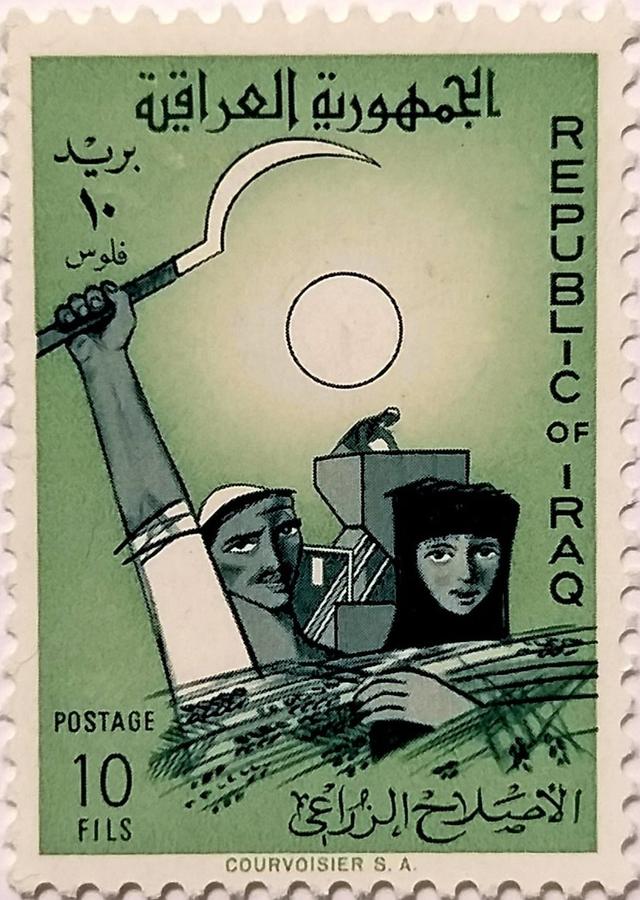
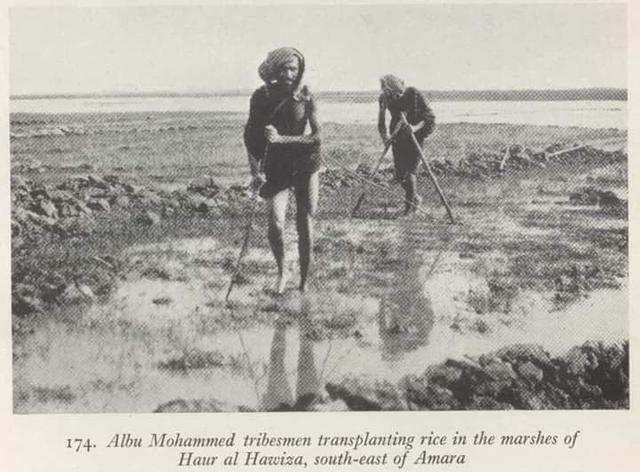
In 1958, Abd Al-Kareem Qasim's government passed Agrarian Reform Law No. 30, dismantling the old feudal system and distributing marsh land to farmers under cultivation contracts — the right to plant, not to own.

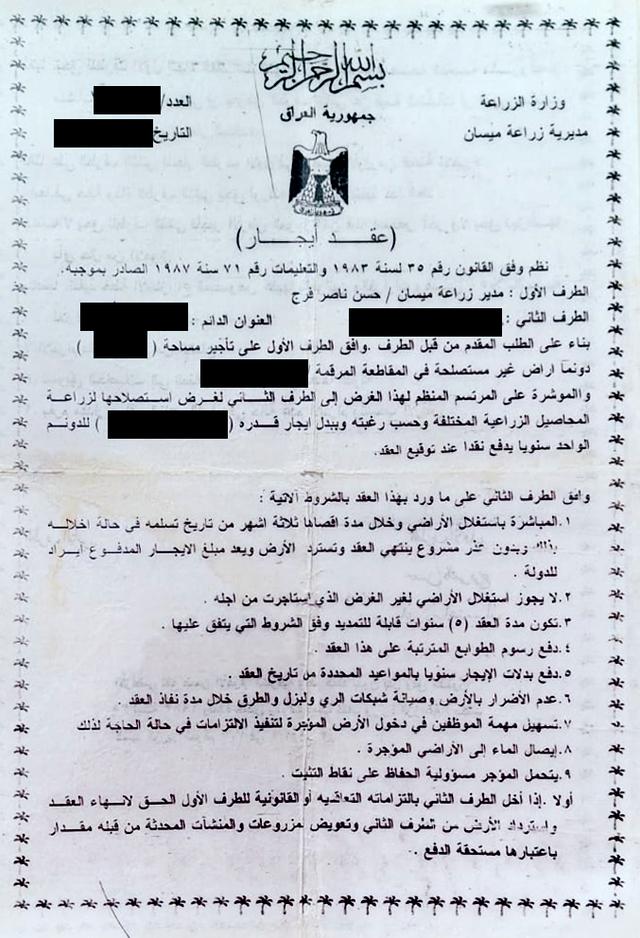
Even that right to cultivate the land did not last. Since the beginning of the Iraq–Iran war in the 1980s and following the Gulf War and the 1991 uprising, Saddam Hussein’s government drained the marshes, reclaimed the land, and displaced the people who had been cultivating it. Those who returned in the years that followed came back to drained marshes, new villages, oil fields, and land that could no longer be worked. Whatever paperwork had existed didn't survive the shifting powers, the waves of displacement, and the expanding oil extraction.
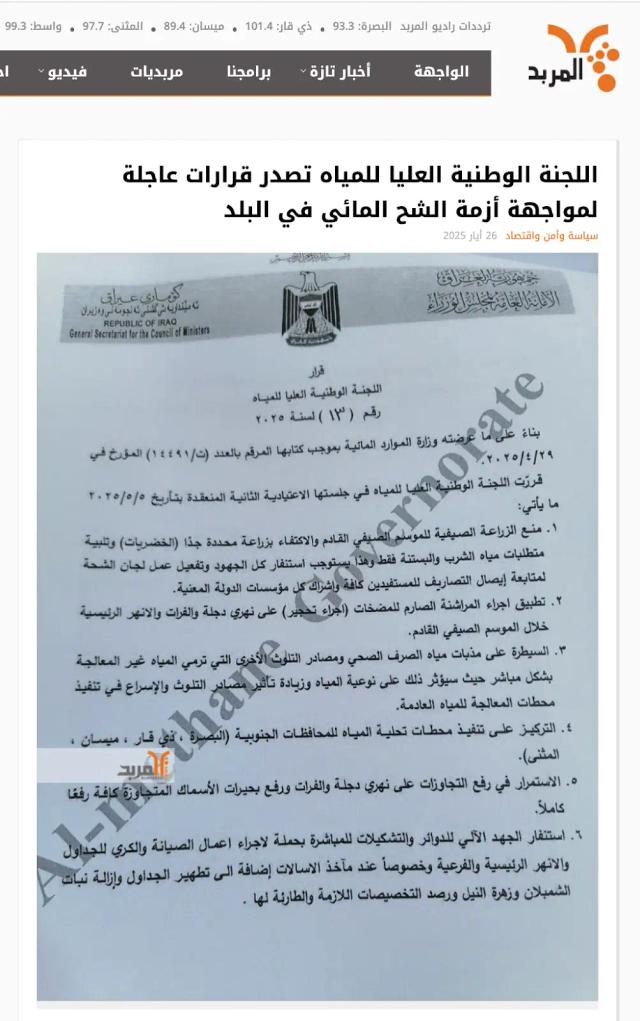
Since 2023, Iraq’s Ministry of Water Resources and Ministry of Agriculture imposed bans and restrictions on farming in the governorates of Maysan, Dhi Qar, and Basra.
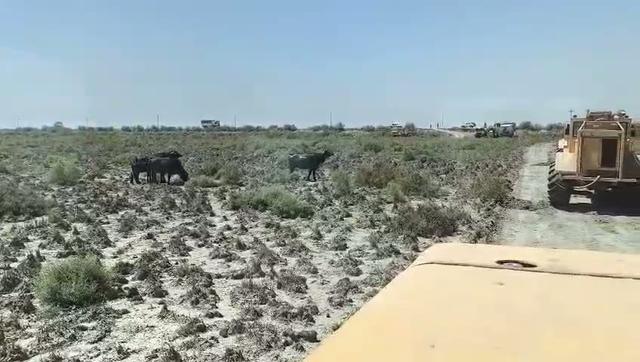
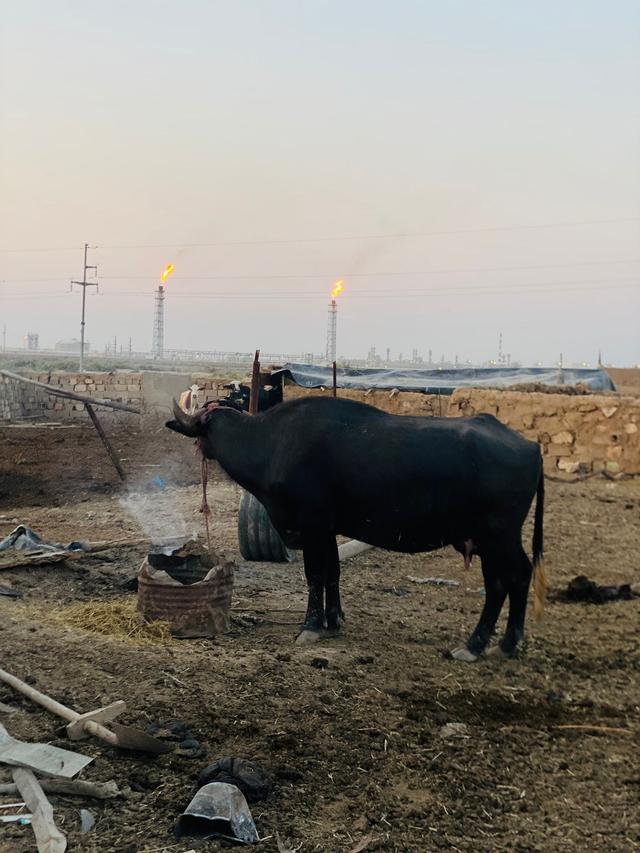
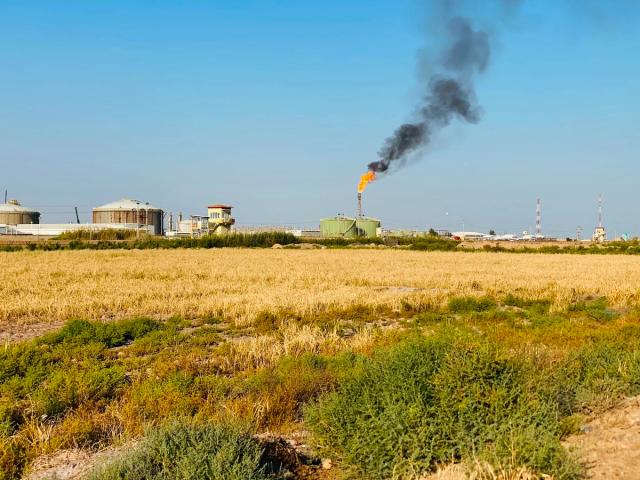
The same land that was being emptied of farming was, all the while, being punctured by oil wells, every day encroaching further on Kathim's home. Some families were pushed out to the Al-Kahlaa district. Others, like Kathim, left for the city of Basra. And some stayed, living at the edges of extraction, breathing its toxic air, drinking its contaminated water, and forced to work for the industry that had displaced their neighbors.
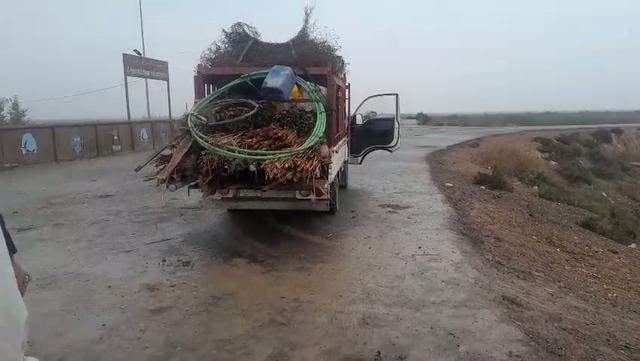
What happened to Kathim was more than any policy could explain. He did not simply move from Al-Hawizeh Marsh to Basra. He was forced to retire a way of knowing the water: which reeds to cut, which channels to sail, how to read a hundred buffalo against a season. The last Ahwari sold what could be sold and left behind only what could not. What remains is the drying marsh, the station, its guesthouse, and its guests, but no longer the last keeper of the land and water, the one who knew how to live within it.
The person with the most buffaloe here — he's the only one who's kept up that number. And in the end, he's sold them now, moved on, and packed up. He migrated to Basra.
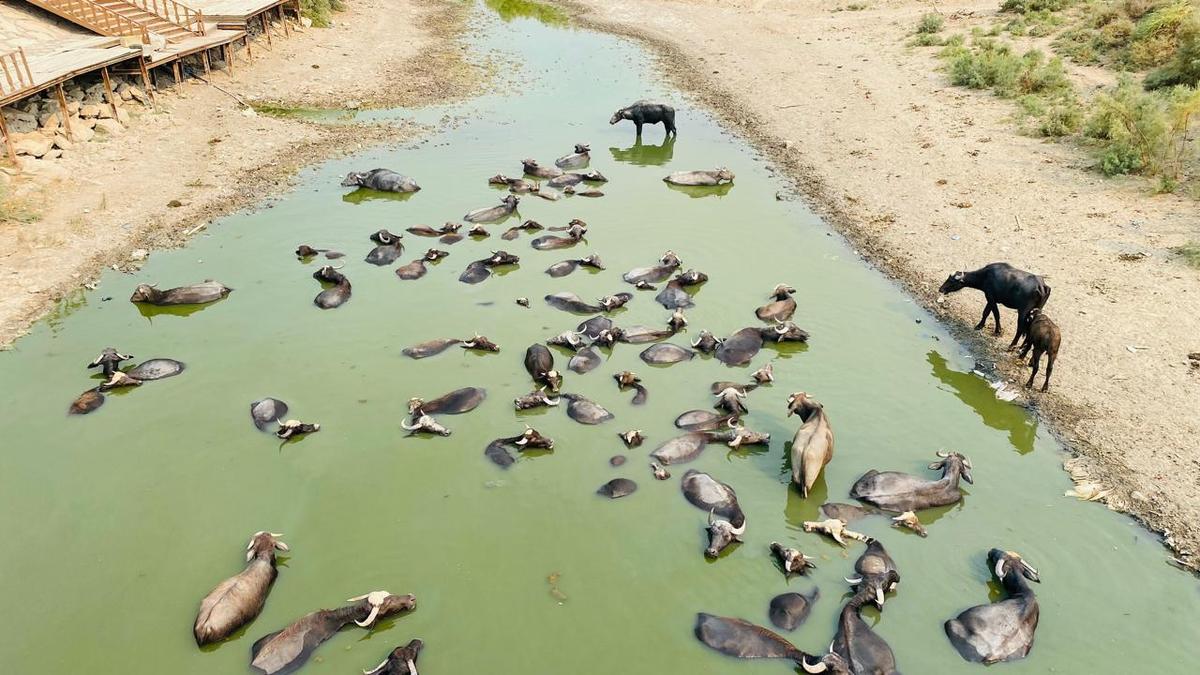
I call him the last Ahwari — the last man of the marsh.
This is the person who had more than 100 buffaloes, the ones he sold about a month ago.
Previously, even the person with the fewest had 20 buffaloes.
Kathim, his wife, and their water buffaloes lived closer to Al-Hawizeh Marsh than any other Ahwari. So close that, once, you couldn’t have told where the dry land beneath their home ended and the marsh water began. Ever since the Ahwari people returned after the US-led invasion of Iraq and the fall of the Ba’ath regime, no one has been able to build in and around the marsh the way they did before their forced displacement in the 1980s and 1990s.
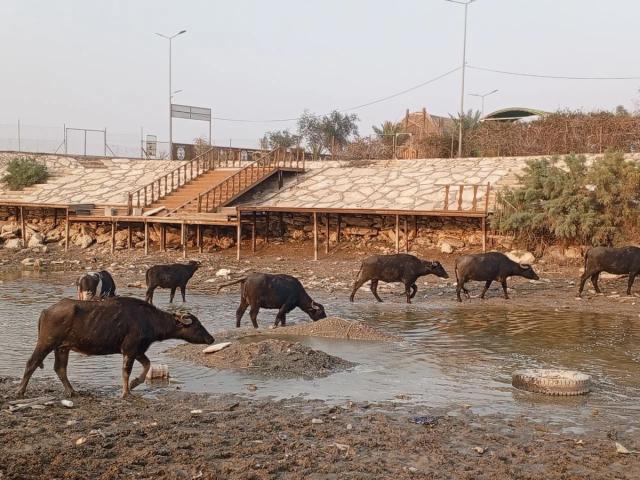
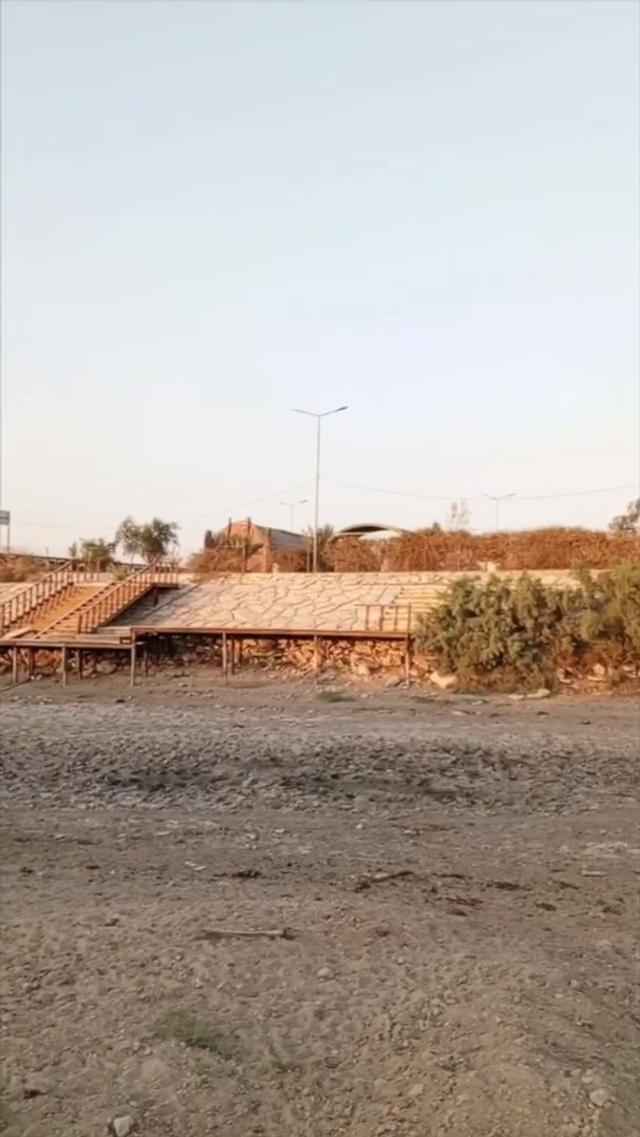
Before he left, Kathim had only one neighbor: the Al-Hawizeh Marsh Management and Monitoring Station. It was built by the Center for the Restoration of the Iraqi Marshlands and Wetlands, part of the Ministry of Water Resources, after the marsh was listed as a UNESCO World Heritage site in 2016. The station’s task is to monitor the marsh’s ecological recovery and oversee its sustainable management.
The station was preceded by its mudhif, a reed guesthouse built using traditional Ahwari methods. The mudhif receives officials and foreign delegations who come to hear about the marsh’s rich ecology, which earned it UNESCO World Heritage status and recognition as a Wetland of International Importance under the Ramsar Convention.
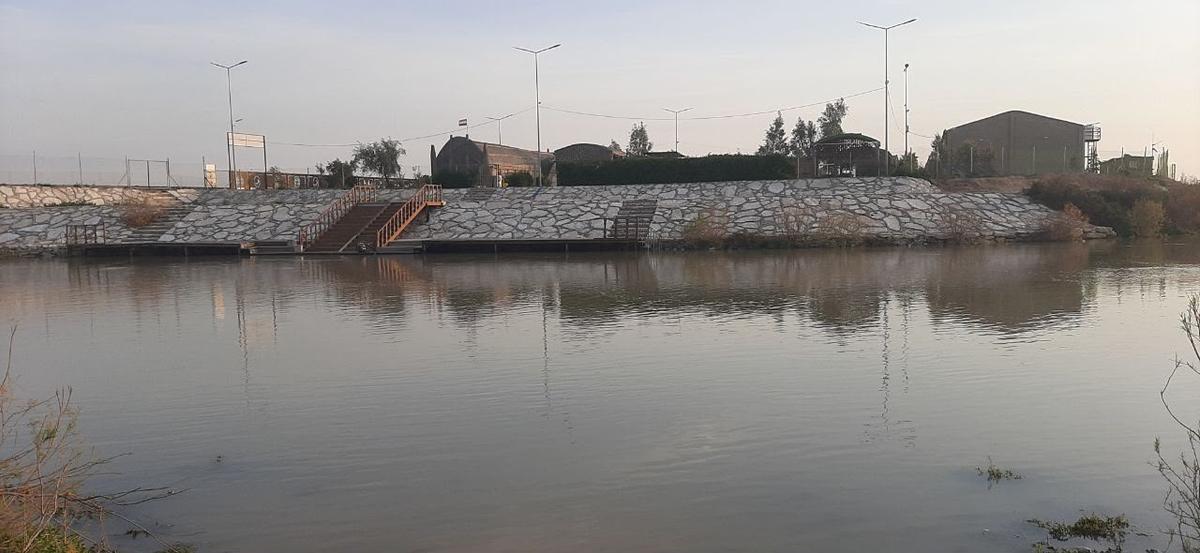
On the one hand, the proximity of Kathim’s home to the marsh speaks to an ancestral relationship with its ecology. On the other, the proximity of the station and its mudhif can be read as tied to staging the performance of protecting the marsh.
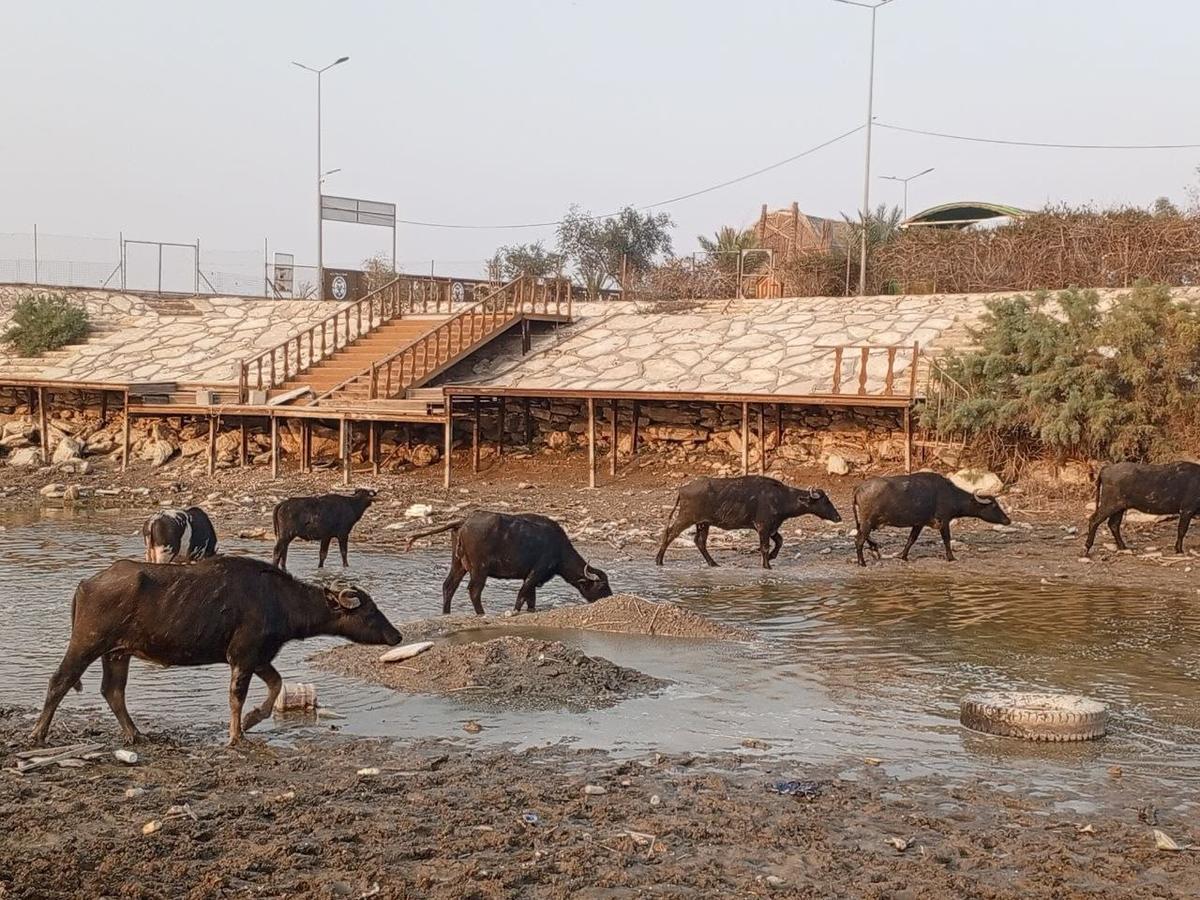
The water buffaloes were never only livestock. They are companions, friends, each with a unique name, and part of the marsh rhythm and a way of life. Their milk sustained families: their dairy sold in nearby markets, their meat could be sold occasionally, and their manure dried into fuel and fertilizer. In the marsh, they did ecological work of grazing overgrown vegetation, opening waterways, and turning reeds into a usable resource.
A herd was not property but an integral part of the household. To sell the herd was not simply transactional. It was retiring an entire way of living.
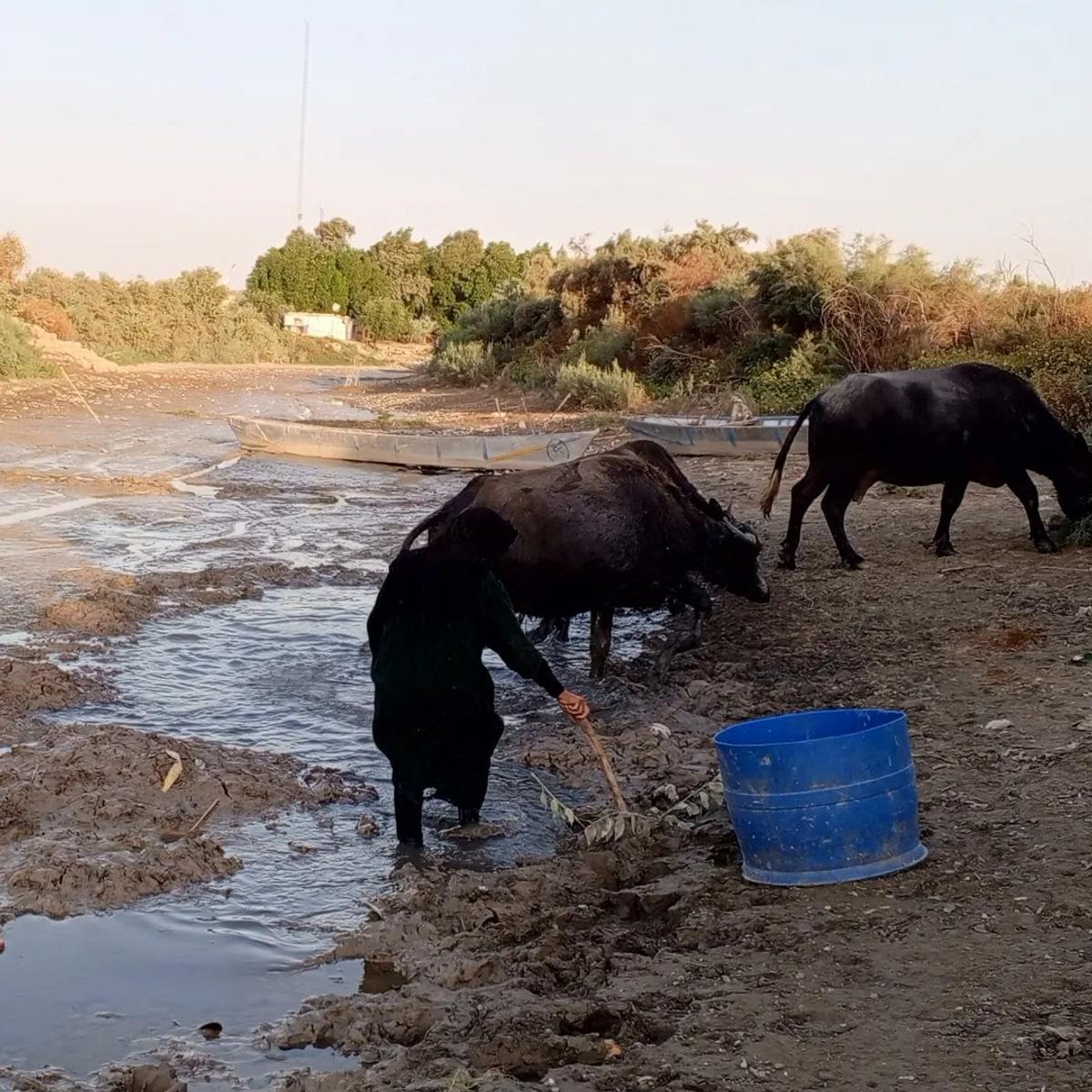
Of course, life here depends entirely on water. Especially the buffalo. Buffalo herders — it's not like it used to be. Their numbers have dropped a lot.
With so few sweat glands, water buffalo spend more than ten hours a day submerged in water just to survive the heat, grazing on the reeds the marsh grows. As the marsh dried a little more each day, it was better to sell them than to watch them die for nothing.
Kathim could only sell the buffalo but not the land.
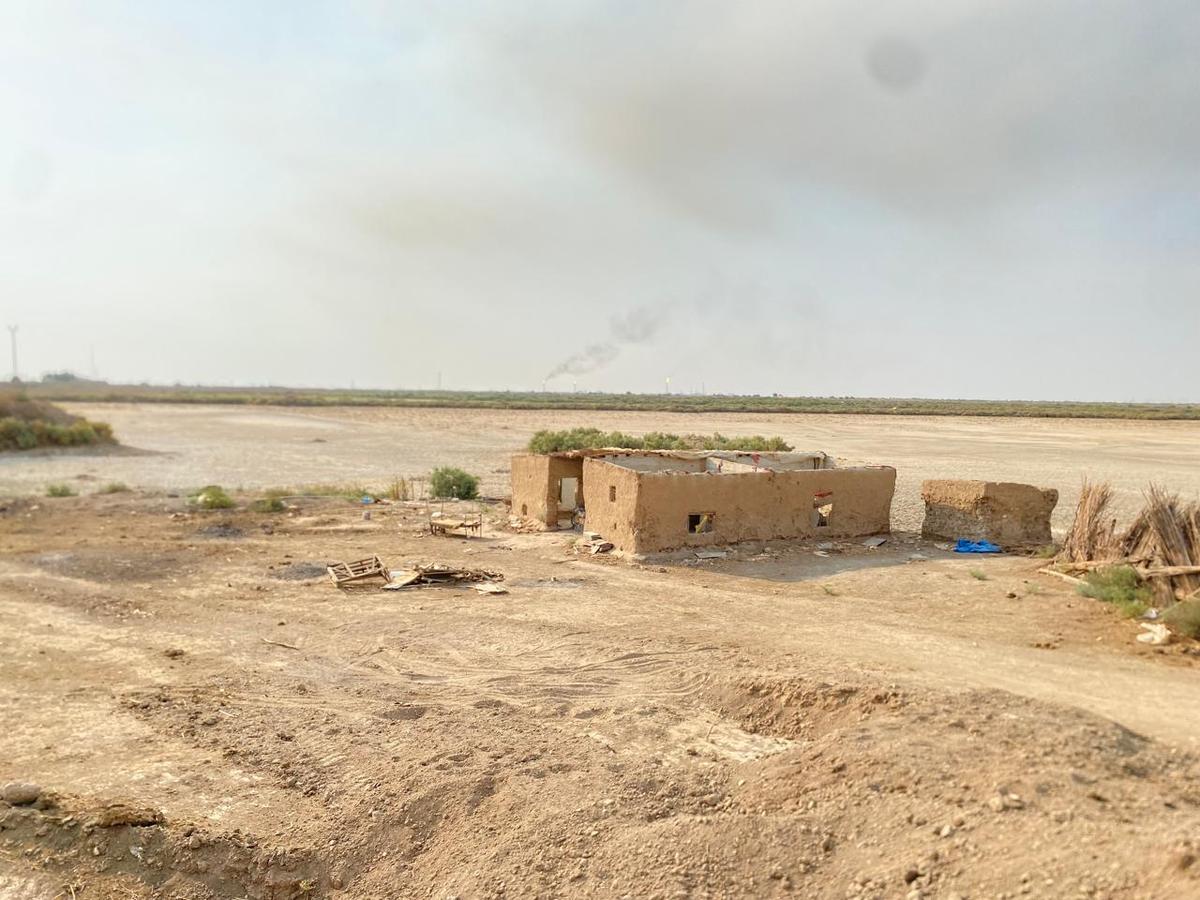
Nothing is registered in our name. There are no papers or anything. Like us, we do not have papers for our land. Right now, we're just living here like that...
Ahwari people were never granted ownership documents for their ancestral lands or waters.
After all, they lived on reedbeds on the waters of the marsh, rebuilding as conditions shifted and moving when the waters moved. This was never a way of life that aligned with state logics of land ownership. The marshes could not be neatly surveyed, measured, demarcated, and parceled into fixed plots. The Ba’ath regime still found ways to impose its order on the marshes, though for an entirely different purpose.
In 1958, Abd Al-Kareem Qasim's government passed Agrarian Reform Law No. 30, dismantling the old feudal system and distributing marsh land to farmers under cultivation contracts — the right to plant, not to own.
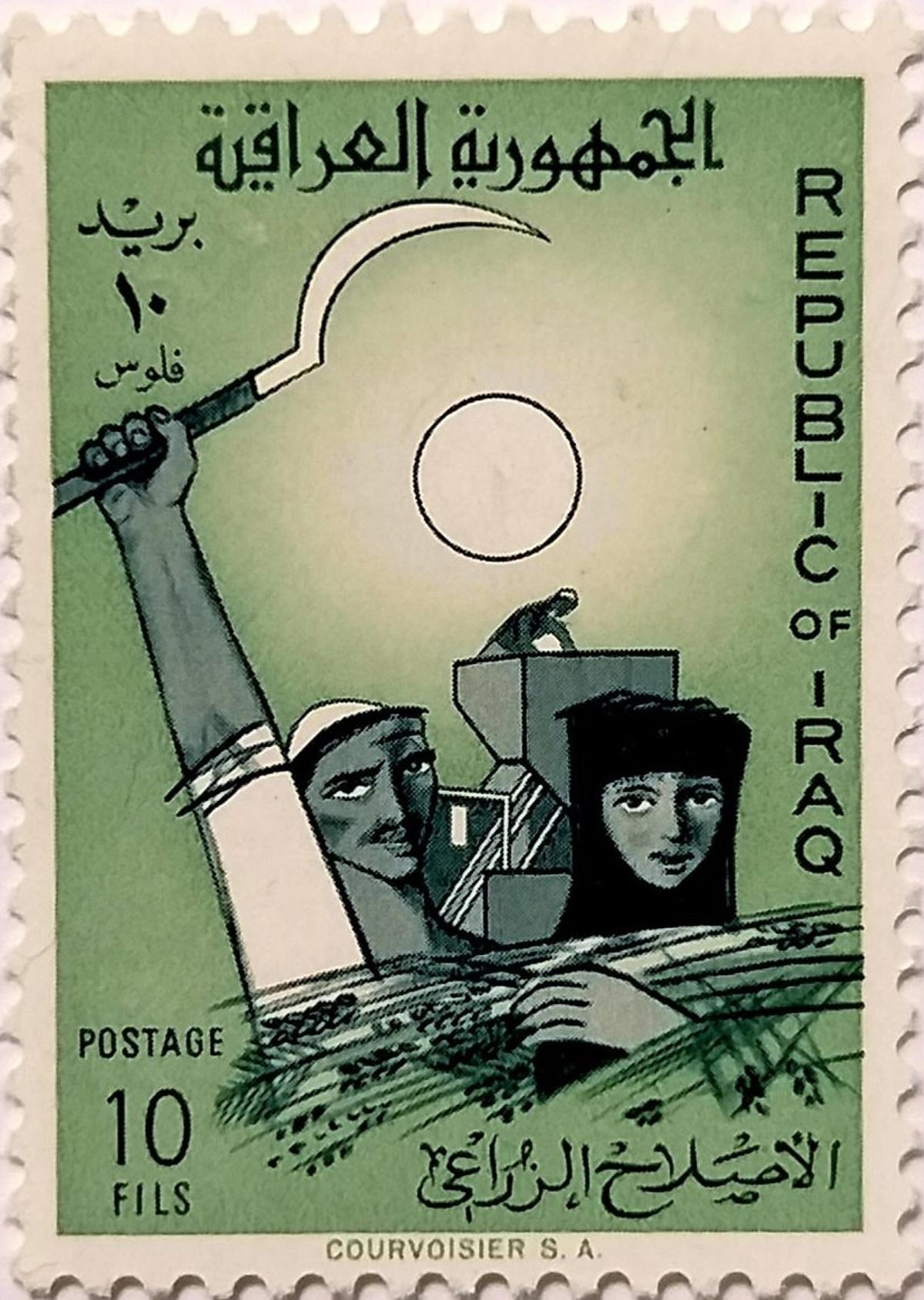
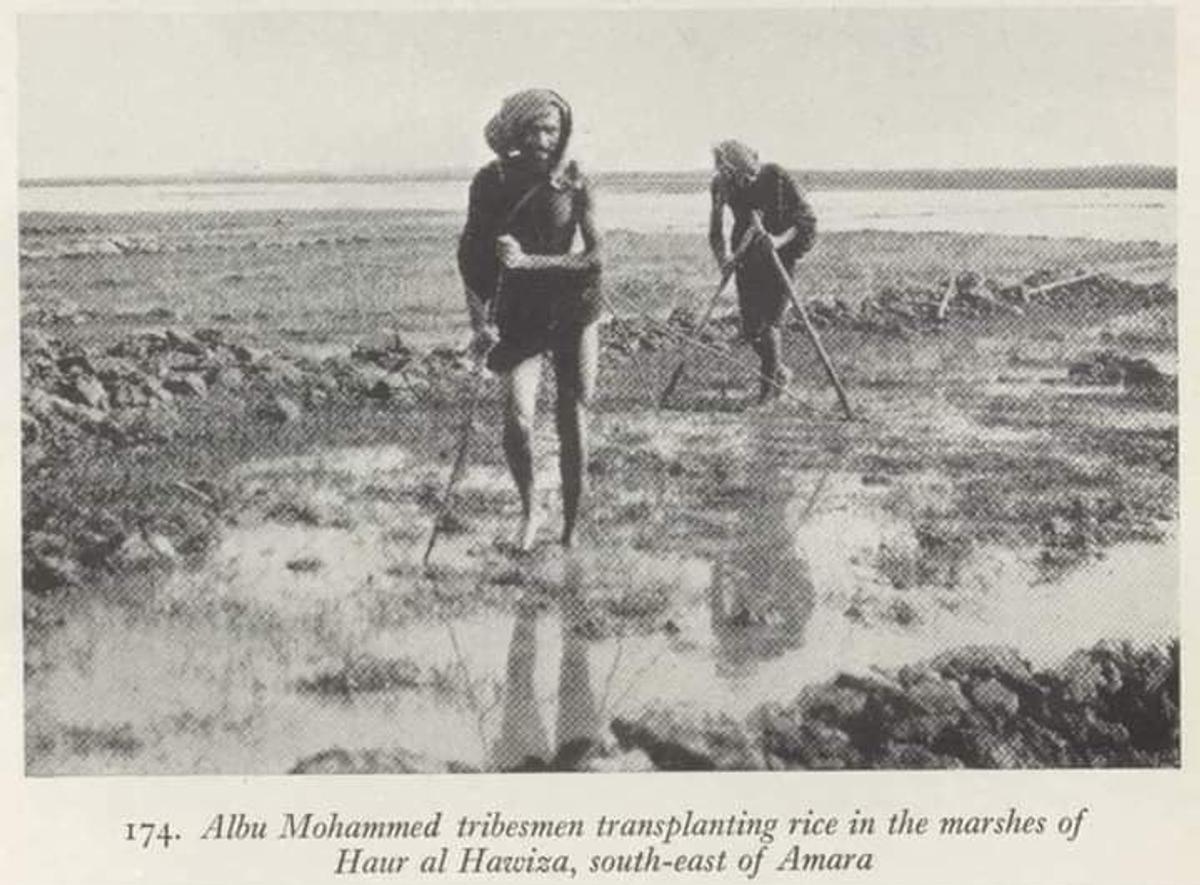
Abd Al-Karim Qasim divided this land into square plots, it used to be a body of water — like a specific village, and they cultivate inside it: they grow shilib rice.
Even that right to cultivate the land did not last. Since the beginning of the Iraq–Iran war in the 1980s and following the Gulf War and the 1991 uprising, Saddam Hussein’s government drained the marshes, reclaimed the land, and displaced the people who had been cultivating it. Those who returned in the years that followed came back to drained marshes, new villages, oil fields, and land that could no longer be worked.

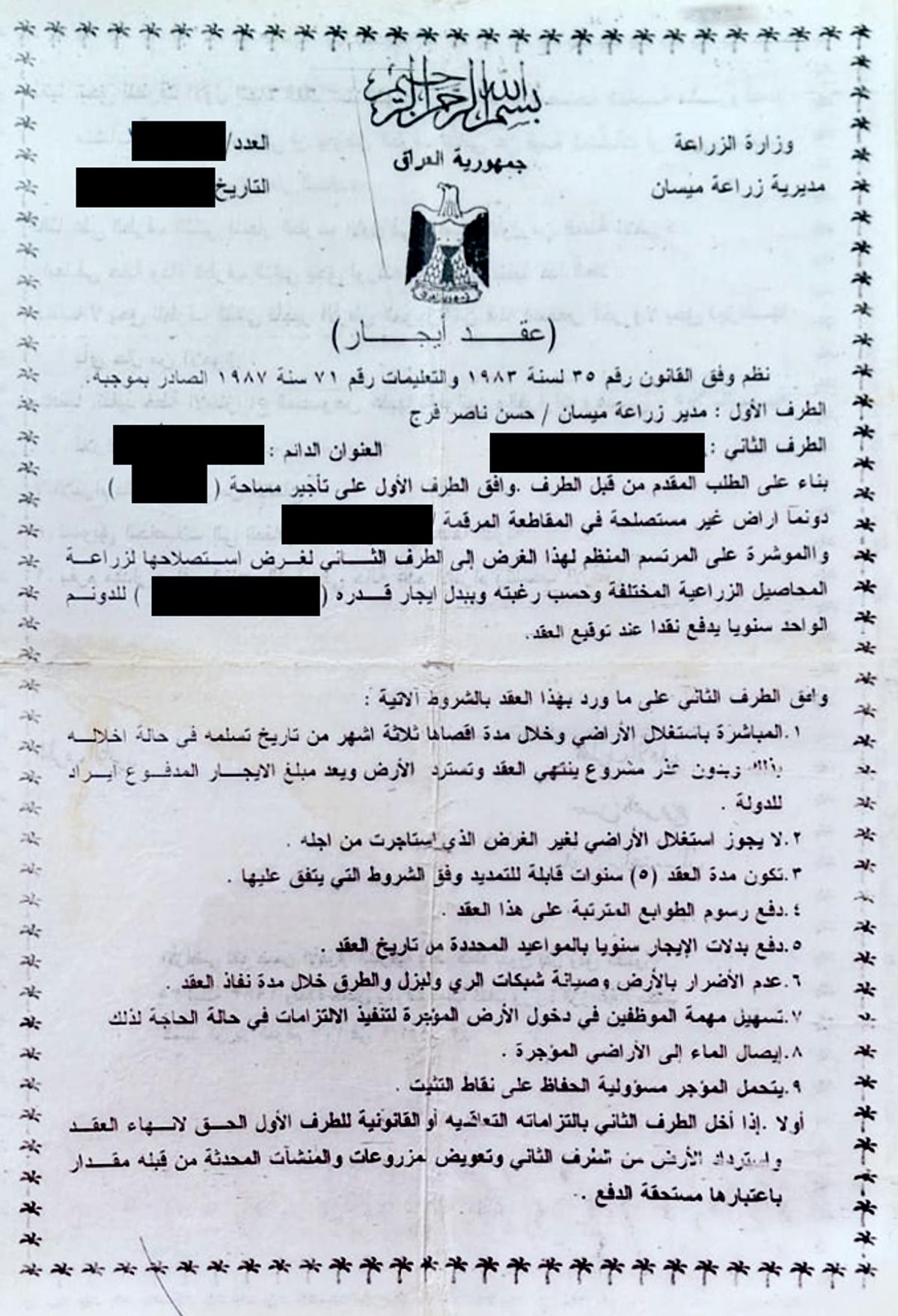
I mean, even the original contracts are gone. People settled on that land.
Whatever paperwork had existed didn't survive the shifting powers, the waves of displacement, and the expanding oil extraction.
People whose contracts exist and they found the land with nothing built on it — no facilities or villages — and they still have their agricultural contract; only they can farm on it.
And people like, for example, us — my family — we have an agricultural contract, but a village settled up on it. You can't displace people and tell them to leave.
Since 2023, Iraq’s Ministry of Water Resources and Ministry of Agriculture imposed bans and restrictions on farming in the governorates of Maysan, Dhi Qar, and Basra.
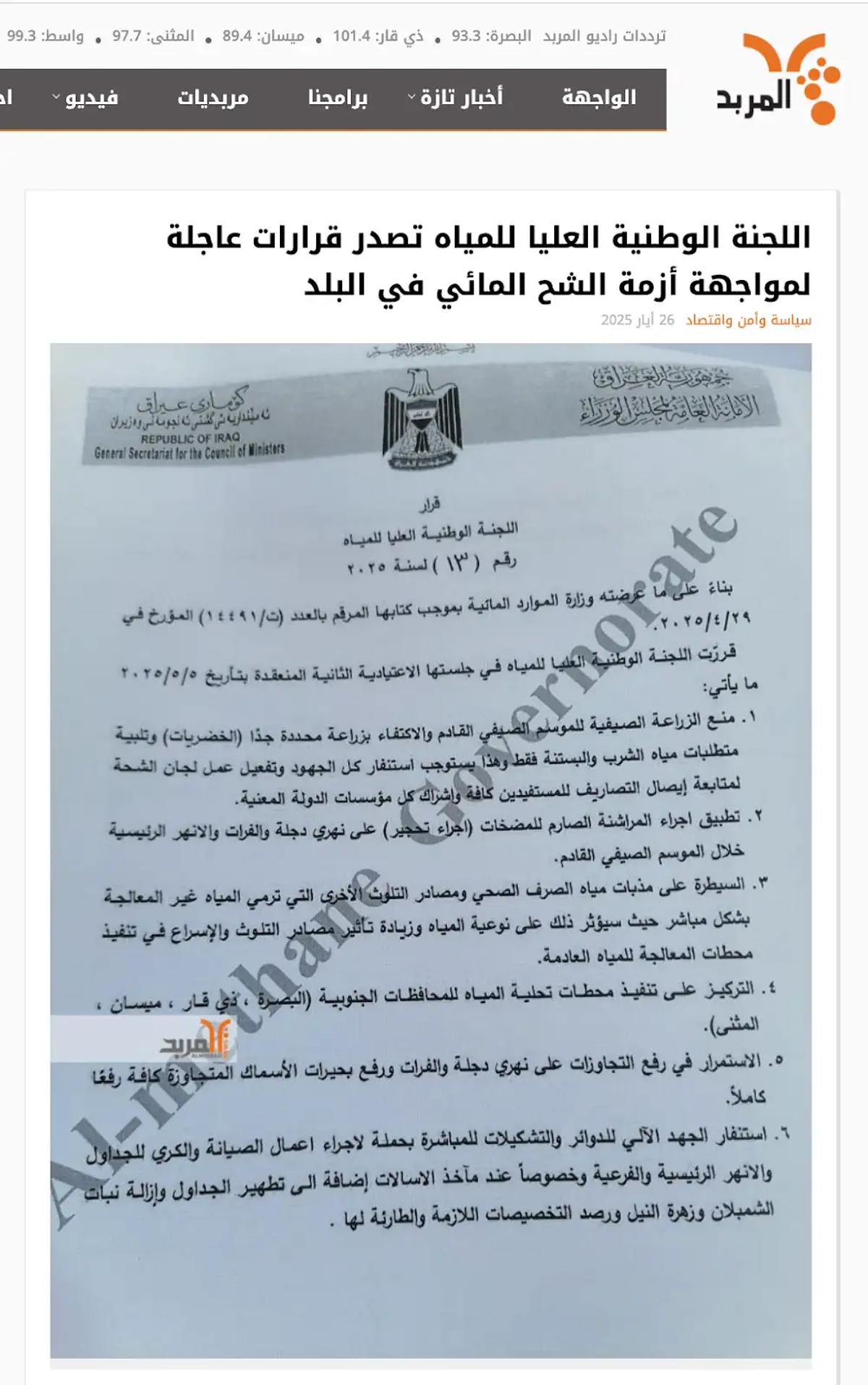
The Ministry of Water Resources — what's their argument?
They say, ‘We don't have water.’
[So] Why would you farm?
The same land that was being emptied of farming was, all the while, being punctured by oil wells, every day encroaching further on Kathim's home.
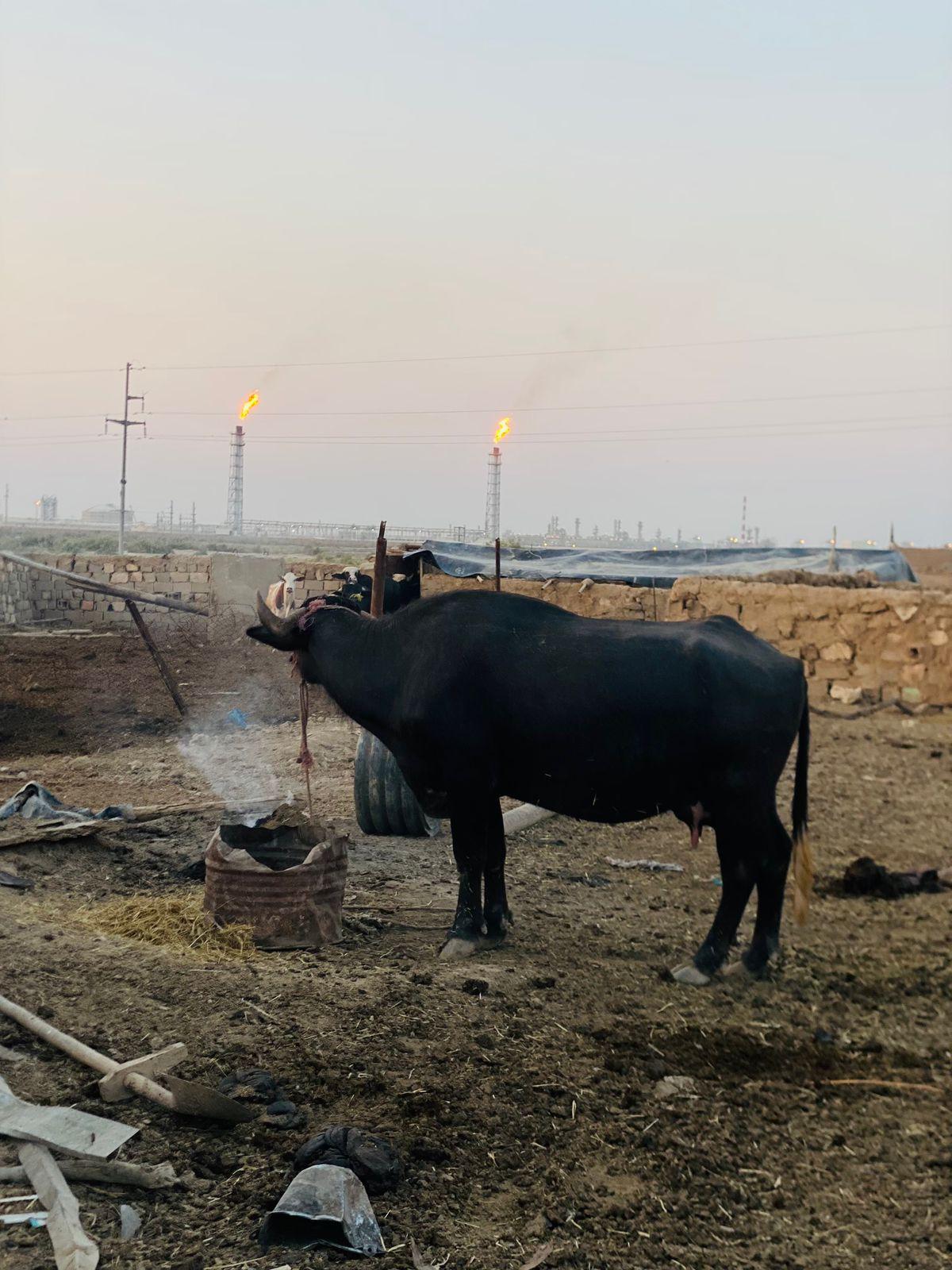
This whole area has been sold — sold already.
Sold to whom?
To the oil companies.
The oil companies come and compensate people with something marginal, because they expect people — and they're certain that people are poor, they'll agree to sell.
Meaning, my family — if we have an agricultural contract, we'll sell it too; there's no other option.
Do you see these green areas, and these oil fields here?
All of this is agricultural land. This greenery is farmland — all of it, the villages grow it — the people do.
How much of the ground does it take up?
Look, now — this green area, he's the one who grew it.
Who grows it?
These people who live along the edges of the river.
Some families were pushed out to the Al-Kahlaa district. Others, like Kathim, left for the city of Basra. And some stayed, living at the edges of extraction, breathing its toxic air, drinking its contaminated water, and forced to work for the industry that had displaced their neighbors.
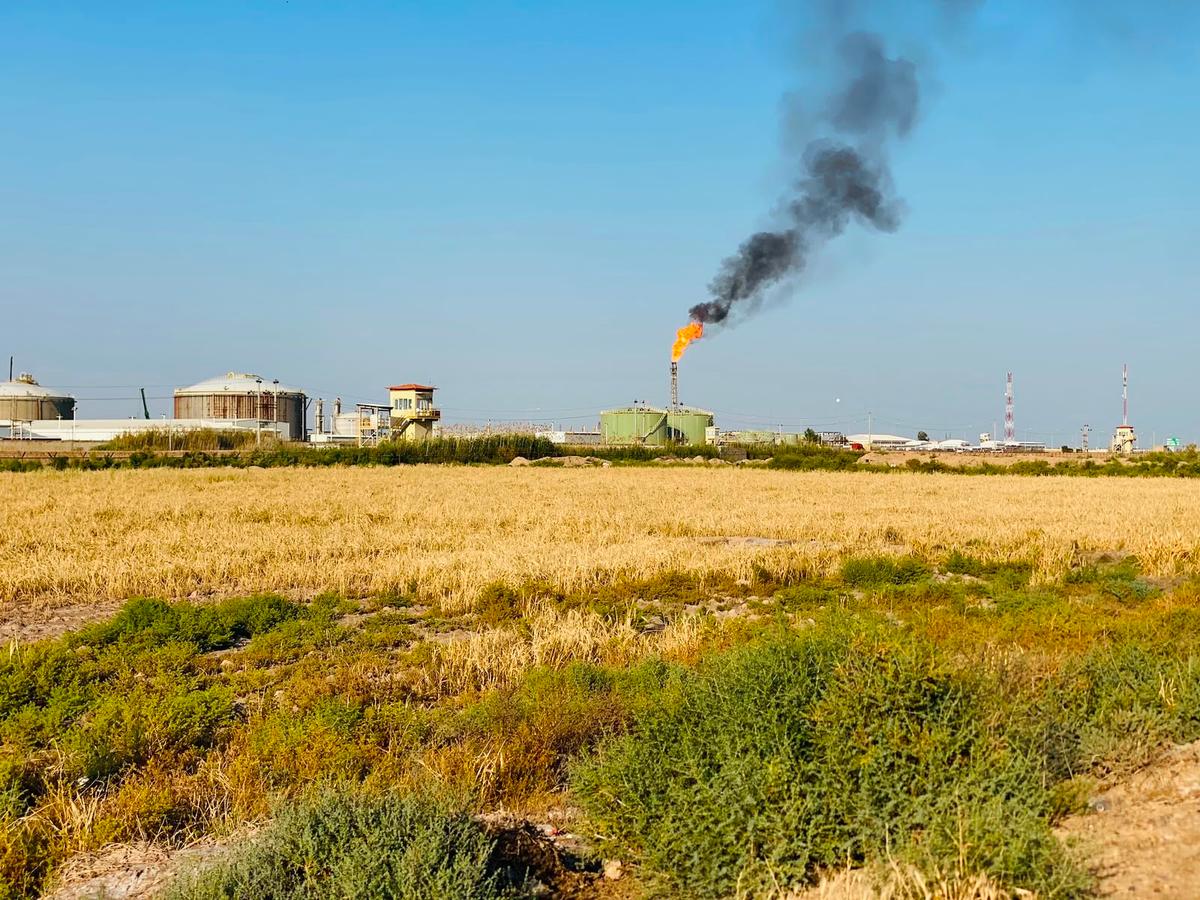
This area is our land. You can't just go off to another area and settle there.
You can live in the city, but you can't live as a man of the marsh — living through honest means, living off fish.
So here, your way of life doesn't adapt to anywhere else.
What happened to Kathim was more than any policy could explain. He did not simply move from Al-Hawizeh Marsh to Basra. He was forced to retire a way of knowing the water: which reeds to cut, which channels to sail, how to read a hundred buffalo against a season.
The last Ahwari sold what could be sold and left behind only what could not. What remains is the drying marsh, the station, its guesthouse, and its guests, but no longer the last keeper of the land and water, the one who knew how to live within it.
More stories coming soon