War Remains
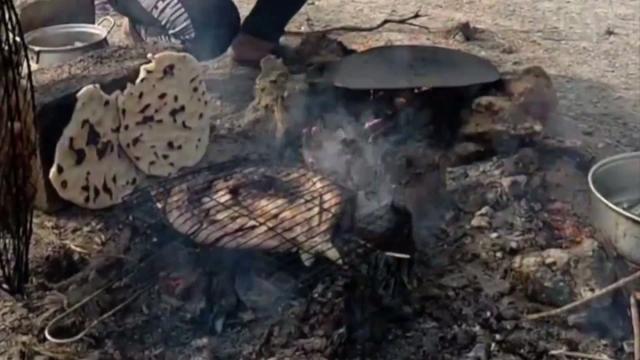
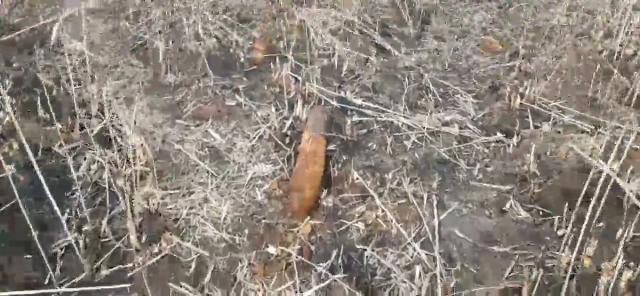
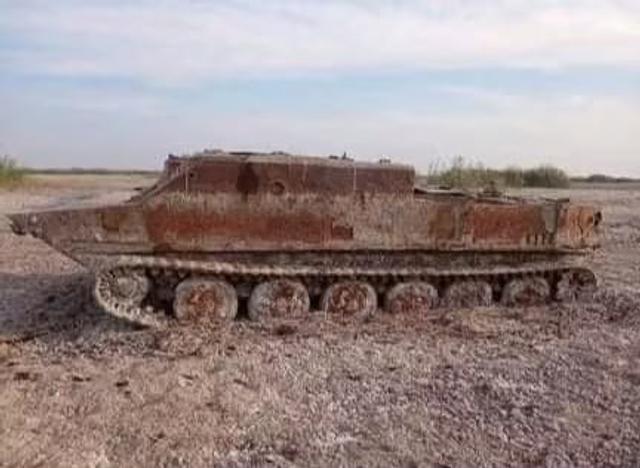
After a long day of fishing, an Ahwari family lit a fire to grill their freshly caught fish on the shores of the marsh. As the firewood crackled and the fish blistered slowly to gold, they suddenly discovered that beneath the flames they’d been fanning so eagerly sat a rocket from a past war. Encountering military remains in the marshes through a simple act of everyday life is neither surprising nor uncommon. Decades of occupation, invasion, and state violence, inflicted by British, US, Iranian, and Iraqi militaries, have left rockets, projectiles, and unexploded munitions embedded across the marshes. But long after the wars are declared over, they continue to threaten and shape life. Some lie buried in the mud underwater, invisible from above. Others are caught between dense reeds or rest exposed on dry, cracking ground, becoming increasingly volatile as temperatures rise and metals corrode. A cooking fire on top of a rocket. Children collecting metal from an abandoned tank. A grazing buffalo stepping on a mine. A boat punctured by barbed wire crossing waters it has crossed many times.
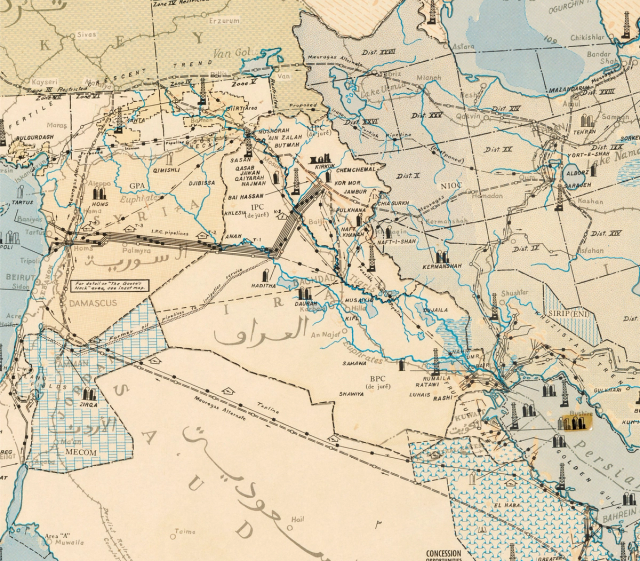
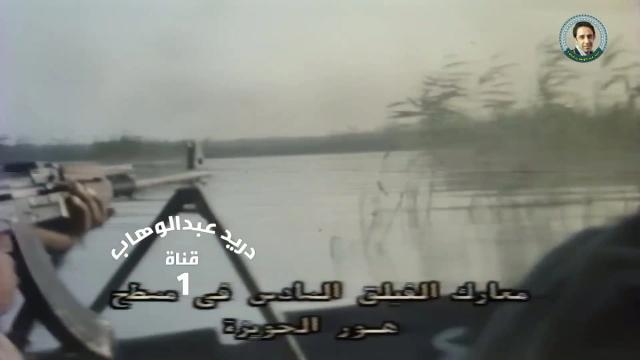
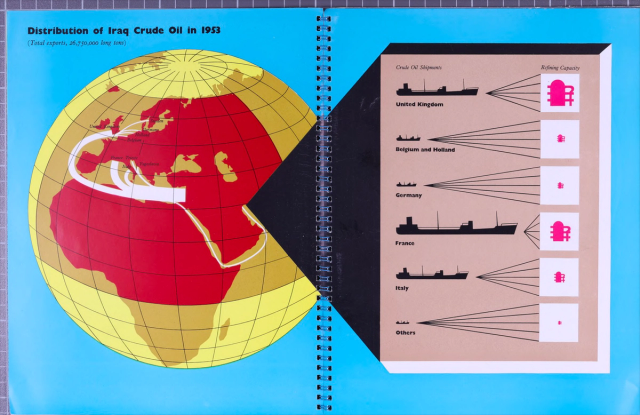
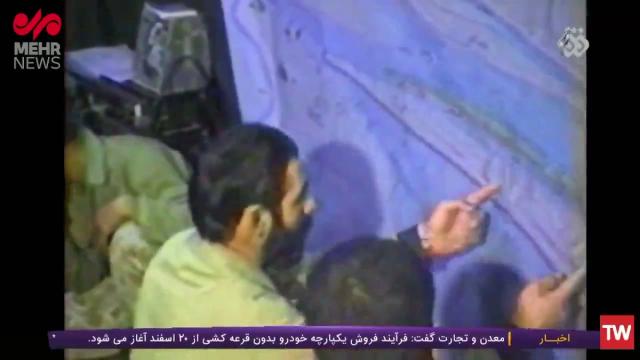
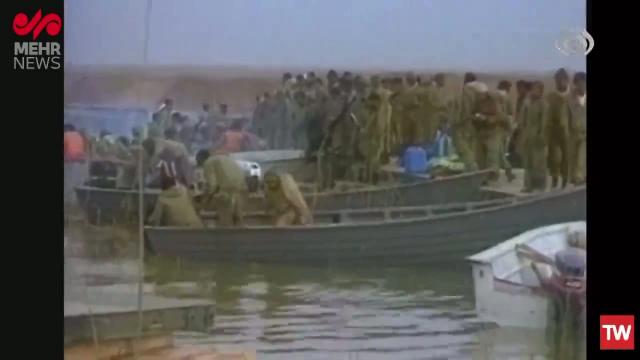
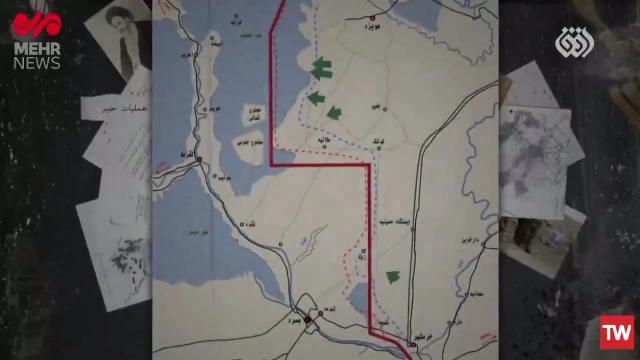
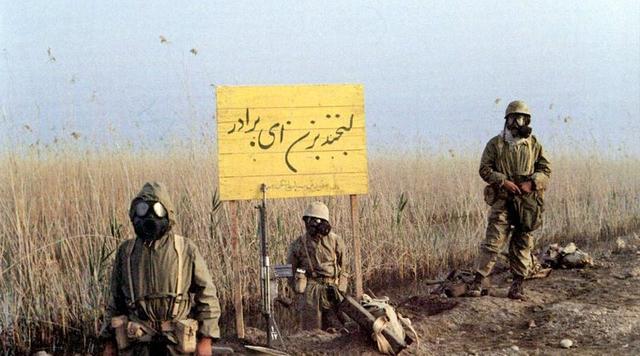
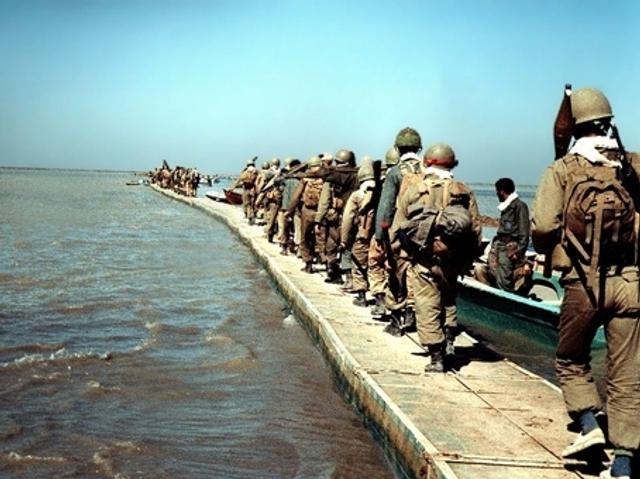
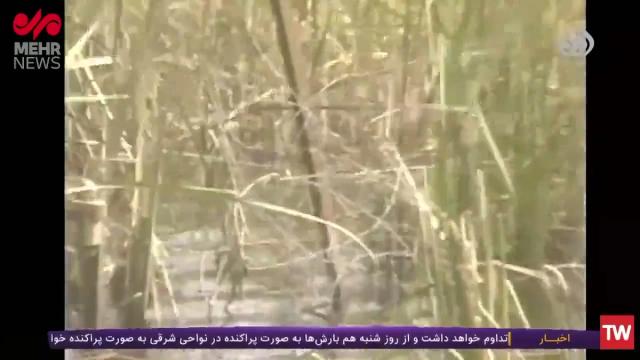
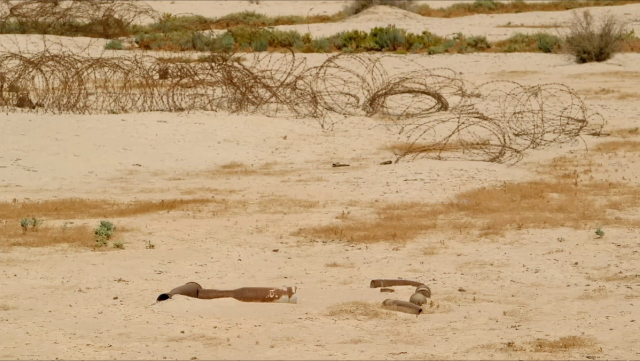
Ever since the discovery of oil beneath and around the marshes, the geography was rendered a military target. It was mapped, extracted, claimed, and fought over by colonial, imperial, and regional powers. It was no longer read as land, water, and reeds, but as oil reserves and vulnerable sites for national security. One of these discoveries was the Majnoon oil field in southern Al-Hawizeh Marsh found in 1975—among the largest oil fields in the world. The name, Arabic for “crazy,” was attributed to the extraordinary concentration of oil within a relatively small area. Within a decade, the field known for its abundance had become a major military target of the Iran-Iraq War and the site of the Battle of the Marshes, which Iran called Operation Kheibar. Although the Iraqi military attempted to drain the marsh to its advantage, as it had done in other marshes, Al-Hawizeh Marsh was a distinctly different case. About one third of it lies beyond Iraqi control, extending into Iranian territory, where it goes by another name: Al-Azim Marsh. The Iranian army saw an opportunity to penetrate the border and navigate the wetland terrain that was inaccessible to Iraqi armor. Iranian soldiers moved through the reeds in aluminum boats, building pontoon bridges, barriers, and firing positions across the water. They eventually managed to capture the Majnoon Islands in southern Al-Hawizeh Marsh. In response, the Iraqi military filled the waters of the marsh with barbed wires.
As Saddam’s regime did not have complete power or access to the marsh, it resorted to other methods, traces of which remain present today. To reclaim the Majnoon field, the Iraqi regime built earthen mounds and embankments across the marsh to allow troops and machinery to advance towards the oil field without sinking into the mud. The oil field was not simply fought over; the marsh was reshaped to reclaim it. That reshaping required not only the land, but also the Ahwari people. The same Ahwari communities pushed today into labor in oil fields were a generation earlier pushed into the war itself, driven from their land and conscripted into the military that occupied it. By the time the war was over, the marsh was effectively transformed from merely a battleground into a military infrastructure. A few years later, as a response to the 1991 uprising, the remaining waters were electrified and contaminated, rendering much of them unlivable. Infrastructure and lands may change hands, but the logic persists. The same mounds, embankments, and roads that once carried troops towards the captured oil field today carry tanker trucks of oil out of the area.
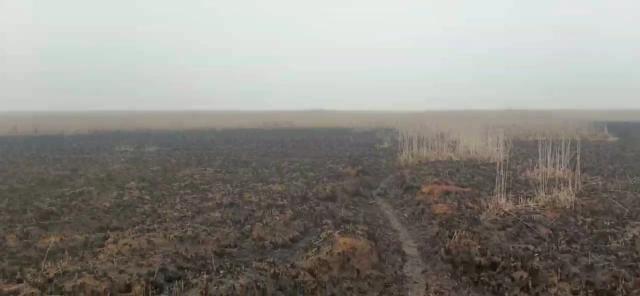
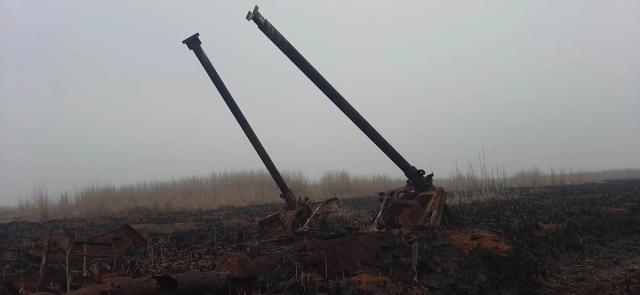
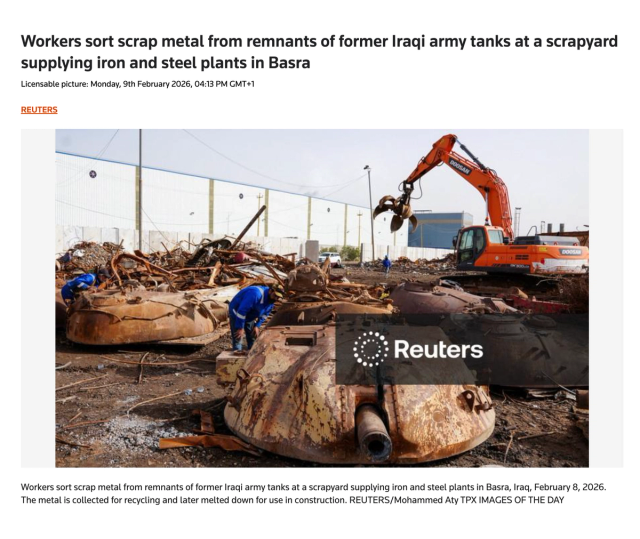
Everything else either remained sunk beneath the water or slowly resurfaced. What the drainage and drought exposed blended into everyday life, until it found a new purpose. The tank that had served as Mustafa’s childhood playground suddenly disappeared. The materials became part of an informal economy. Military remains are cut and sold. And while the metal’s exchange value moves through a wider commercial network, those undertaking the work absorb the risks and labor of demilitarization.
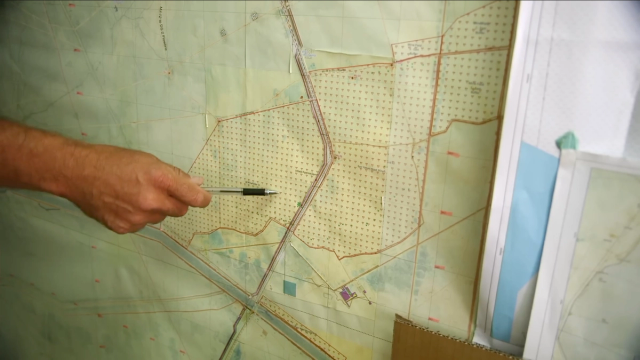
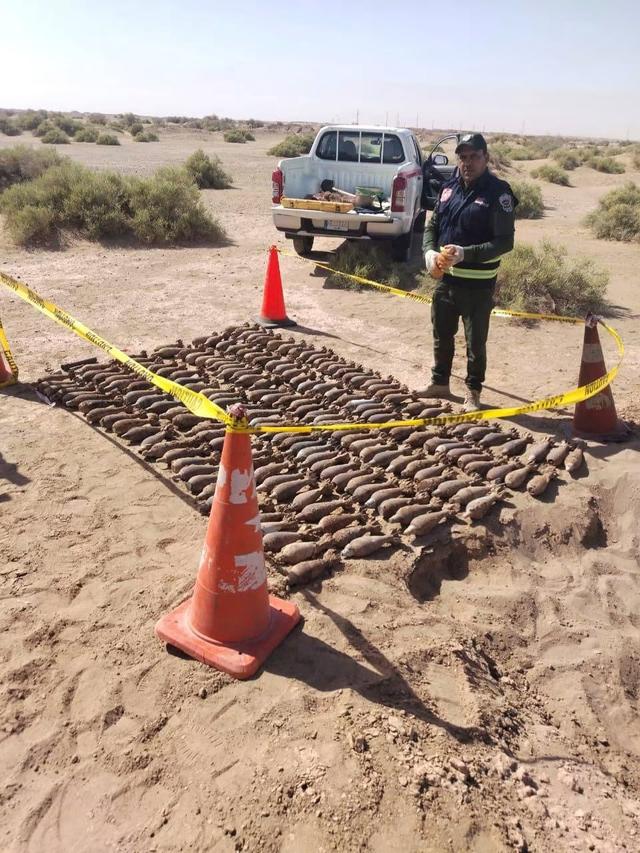
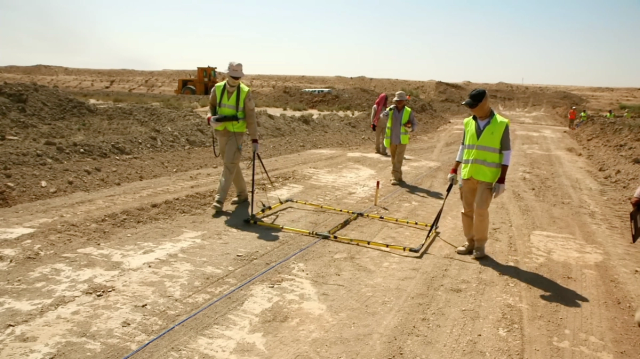
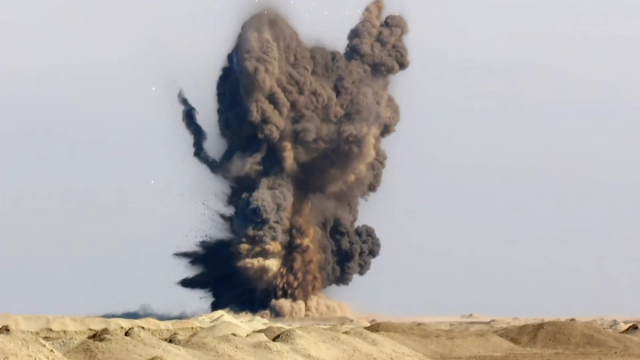
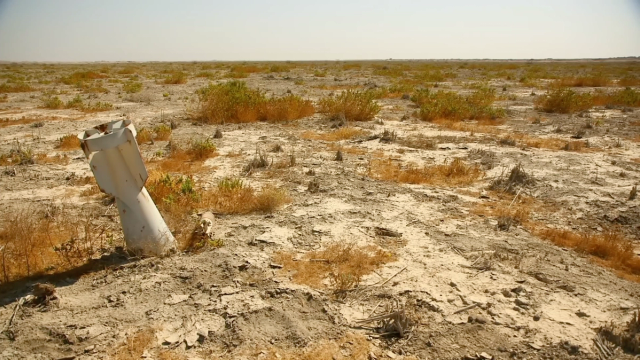
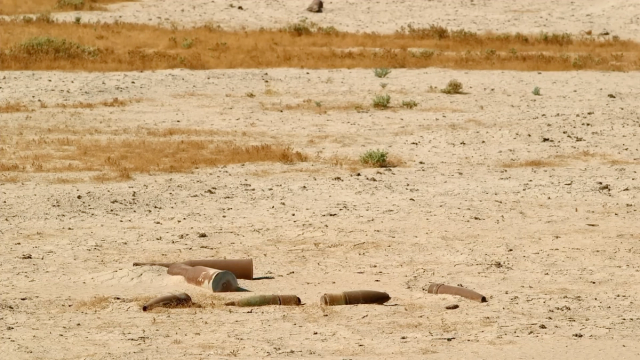
In the name of protecting people from the dangers of the military remains, Al-Hawizeh Marsh is increasingly made inaccessible by local authorities. Oil fields are contracted out, markers installed, and munitions gathered and detonated in place, releasing toxins into the air. Elsewhere, the landscape remains perpetually at war, as unexploded ordnance waits to be triggered. Here, contamination seeps not only from the flows of extraction and gas flares, but also from what successive wars have left embedded in the ground, water, and air.
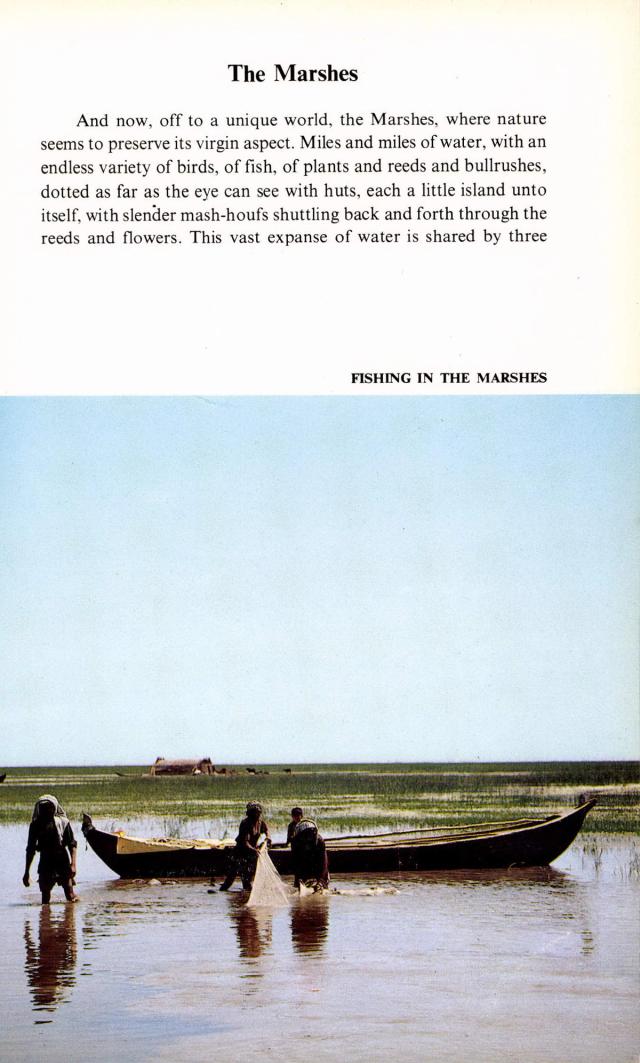
One of the dominant narratives told about the marshes is one of purity. Historically, they have been depicted as “virgin” or untouched. The myth of purity followed Al-Hawizeh Marsh into the UNESCO World Heritage listing in 2016 and the Ramsar convention designation, dismissing the history of militarization, oil extraction, and those who found themselves lighting a fire over a rocket, climbing onto abandoned tanks, or crossing waters filled with barbed wire. It did not deter the oil companies, nor did it clear any of the military remains. The designations seem to mark an endpoint rather than the start of protection.
After a long day of fishing, an Ahwari family lit a fire to grill their freshly caught fish on the shores of the marsh. As the firewood crackled and the fish blistered slowly to gold, they suddenly discovered that beneath the flames they’d been fanning so eagerly sat a rocket from a past war.
Encountering military remains in the marshes through a simple act of everyday life is neither surprising nor uncommon.
So quickly we put out the fire so that the rockets wouldn't explode, because a very large number of rockets were present inside the marshes [Al-Ahwar]. I don't think... I didn't ask them at the time whether they documented them or not, because not everyone documents. But the most dangerous, and the most widespread in terms of war remnants, is the northern Fakkah area, or Fakkah and Al-Jazira generally.
Decades of occupation, invasion, and state violence, inflicted by British, US, Iranian, and Iraqi militaries, have left rockets, projectiles, and unexploded munitions embedded across the marshes. But long after the wars are declared over, they continue to threaten and shape life. Some lie buried in the mud underwater, invisible from above. Others are caught between dense reeds or rest exposed on dry, cracking ground, becoming increasingly volatile as temperatures rise and metals corrode.
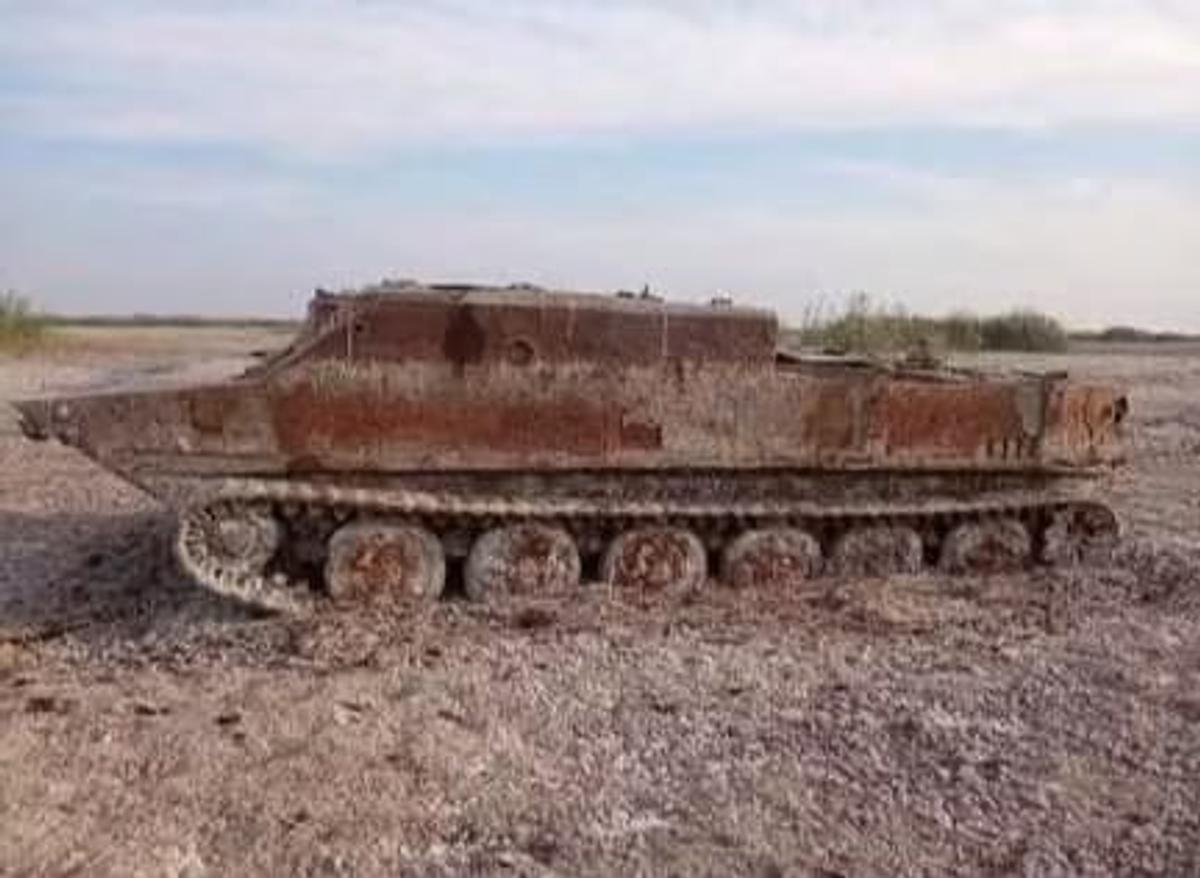
There was a tank at the entrance to Al-Hawizeh Marsh, overturned. I mean, in my childhood, when I would take the buffalo out [to graze], we'd climb on top of it and play.
A cooking fire on top of a rocket. Children collecting metal from an abandoned tank. A grazing buffalo stepping on a mine. A boat punctured by barbed wire crossing waters it has crossed many times.
Ever since the discovery of oil beneath and around the marshes, the geography was rendered a military target.
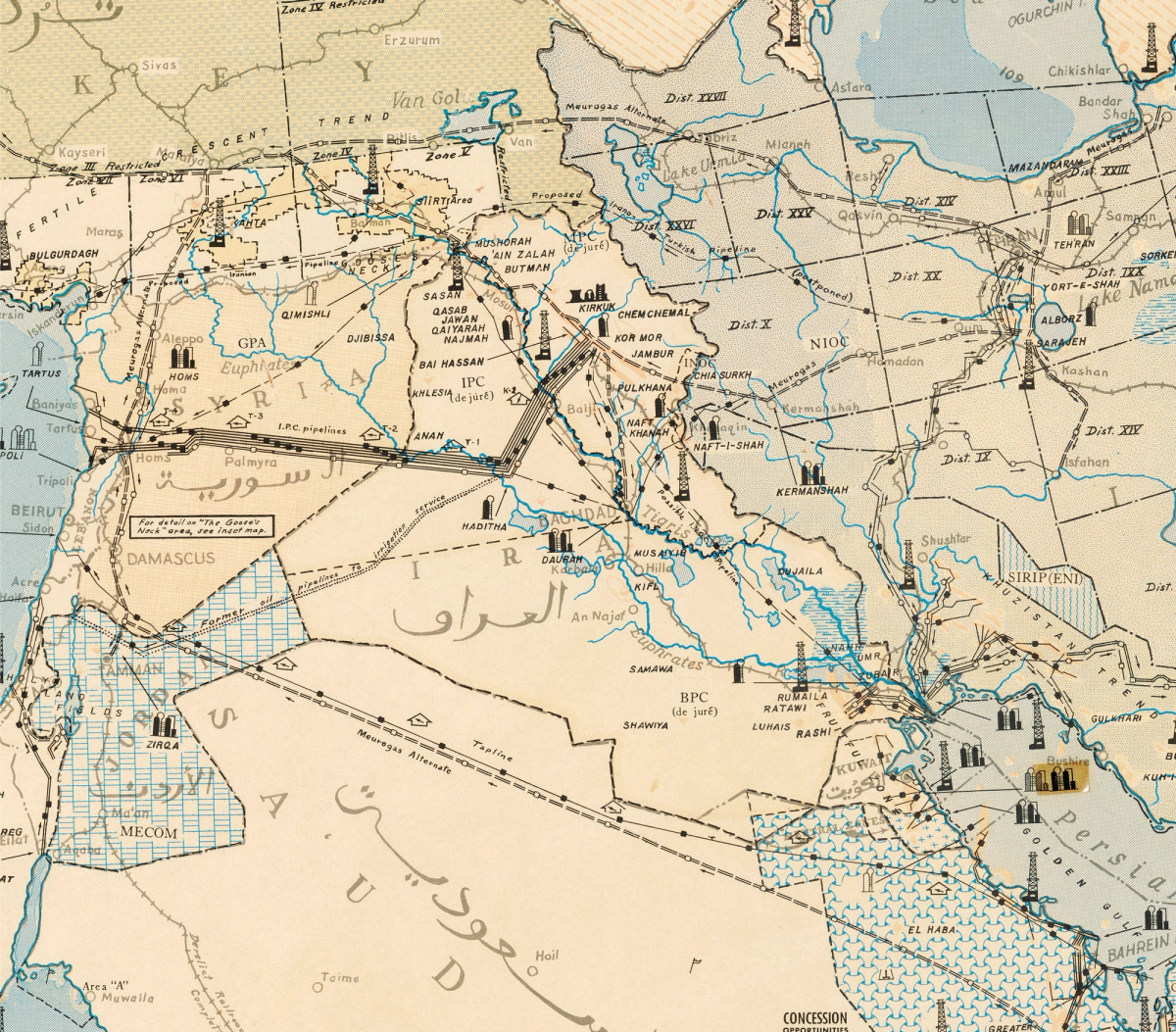
It was mapped, extracted, claimed, and fought over by colonial, imperial, and regional powers. It was no longer read as land, water, and reeds, but as oil reserves and vulnerable sites for national security.
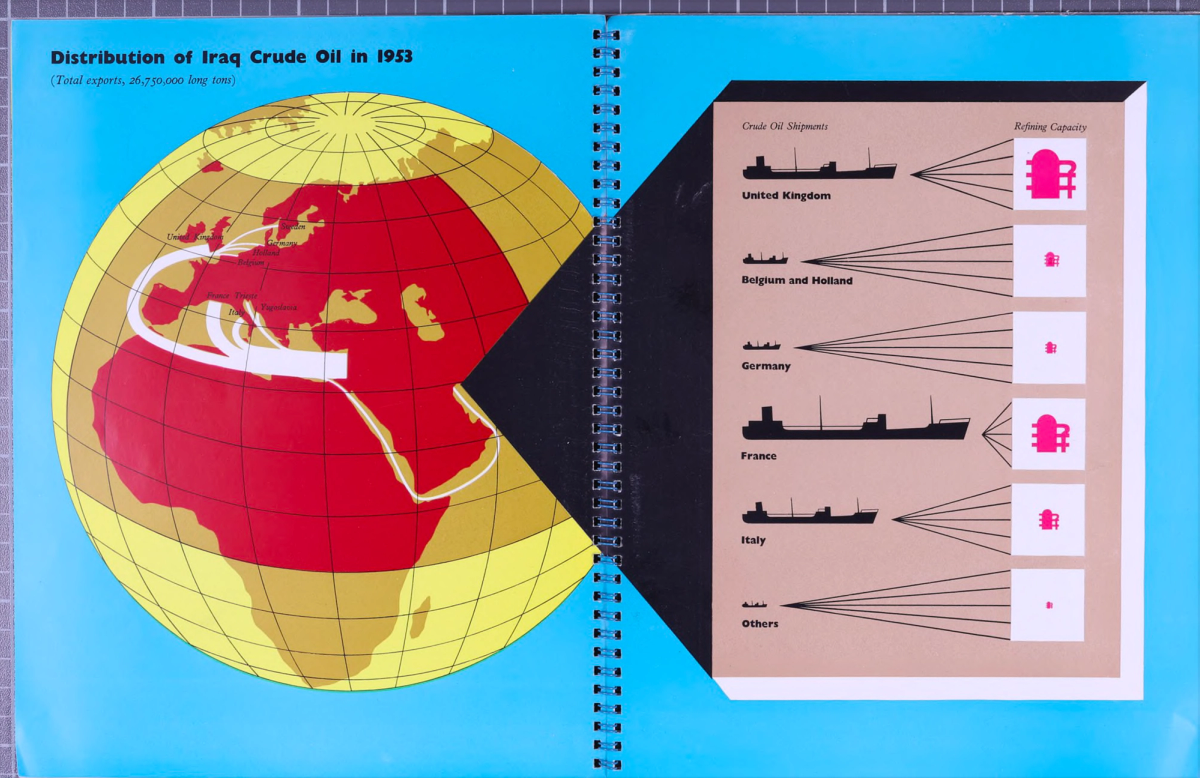
One of these discoveries was the Majnoon oil field in southern Al-Hawizeh Marsh found in 1975—among the largest oil fields in the world. The name, Arabic for “crazy,” was attributed to the extraordinary concentration of oil within a relatively small area.
Within a decade, the field known for its abundance had become a major military target of the Iran-Iraq War and the site of the Battle of the Marshes, which Iran called Operation Kheibar.
Although the Iraqi military attempted to drain the marsh to its advantage, as it had done in other marshes, Al-Hawizeh Marsh was a distinctly different case. About one third of it lies beyond Iraqi control, extending into Iranian territory, where it goes by another name: Al-Azim Marsh.
Al-Hawizeh Marsh is the only one that, during Saddam's drainage campaign, a part of it remained — a small part, roughly a quarter of it remained. The water bodies remained even during the war, [while] the war was ongoing, and they used to fight using boats inside the marsh.
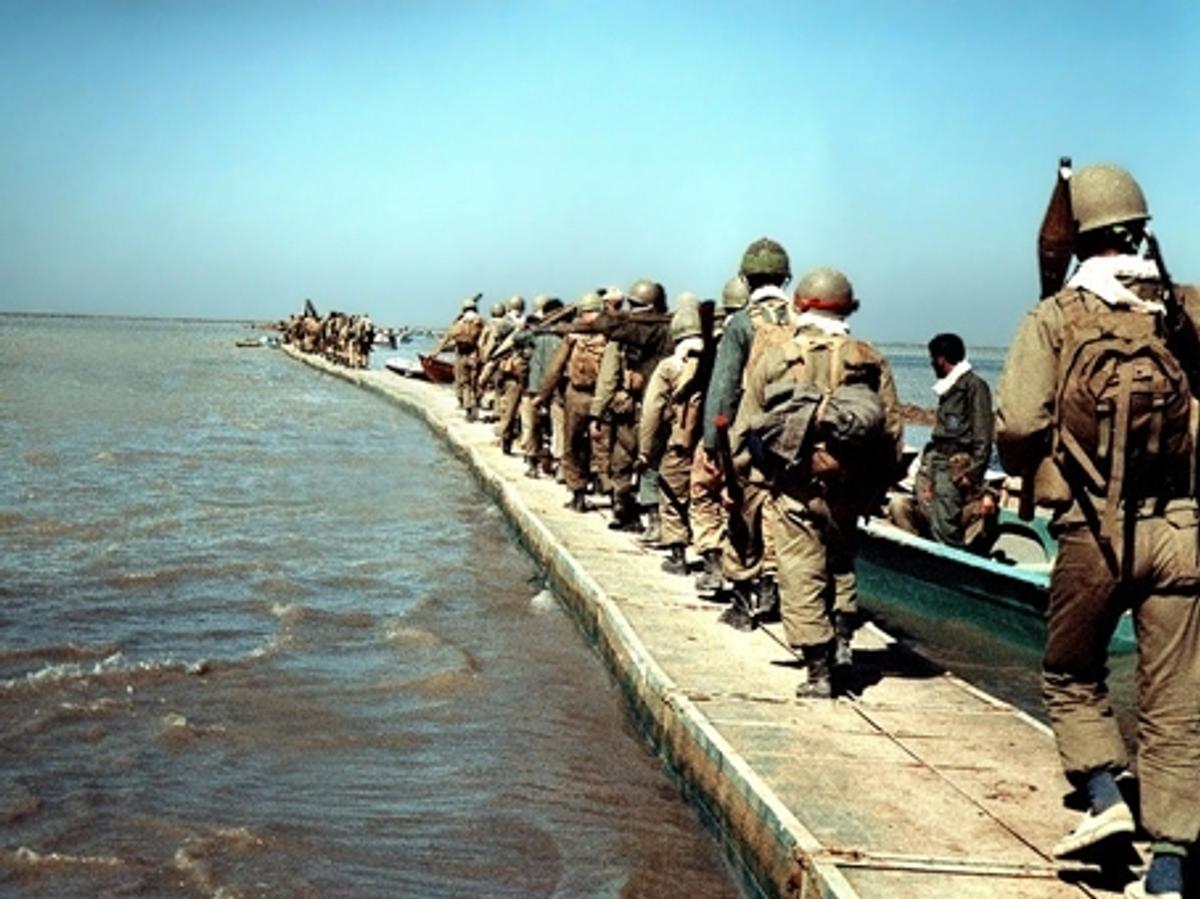
The Iranian army saw an opportunity to penetrate the border and navigate the wetland terrain that was inaccessible to Iraqi armor.
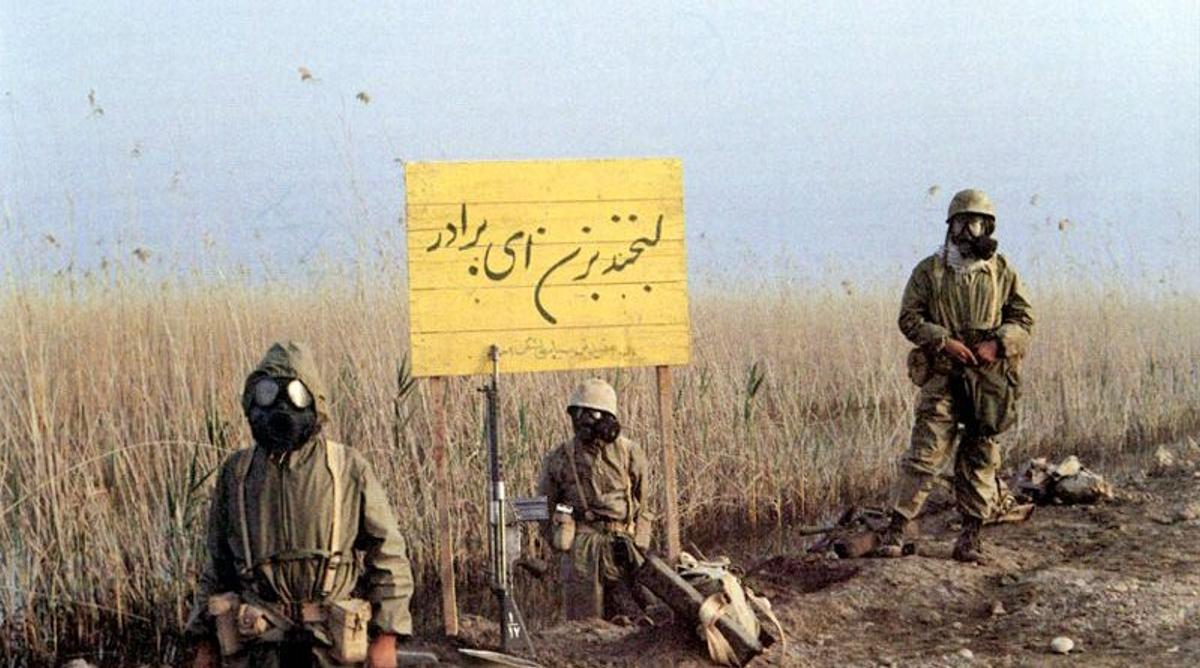
Iranian soldiers moved through the reeds in aluminum boats, building pontoon bridges, barriers, and firing positions across the water. They eventually managed to capture the Majnoon Islands in southern Al-Hawizeh Marsh.
In response, the Iraqi military filled the waters of the marsh with barbed wires.
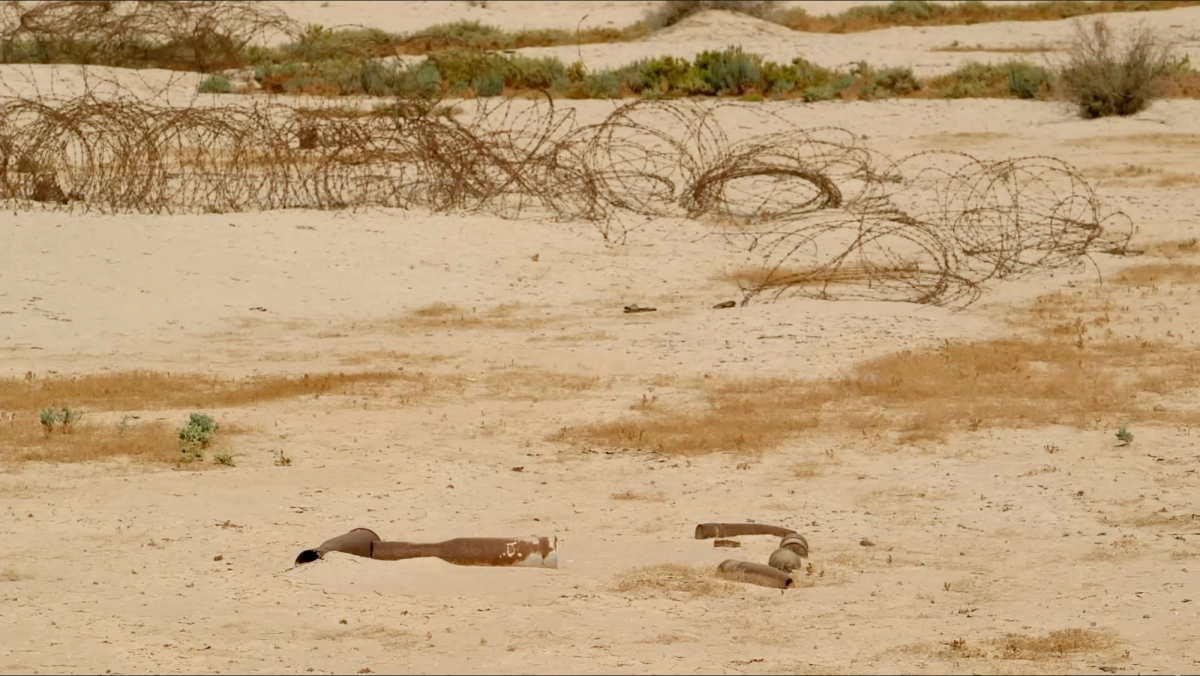
They would leave barbed wire inside the marsh — they call them ‘boat traps,’ because the war happened on boats. And to this day, every time my father and I go to the marsh, sometimes the boat hits the metal and it punctures it. This marsh over there is full of metal/iron, and they make it like a trap for the boat.
As Saddam’s regime did not have complete power or access to the marsh, it resorted to other methods, traces of which remain present today. To reclaim the Majnoon field, the Iraqi regime built earthen mounds and embankments across the marsh to allow troops and machinery to advance towards the oil field without sinking into the mud.
The oil field was not simply fought over; the marsh was reshaped to reclaim it. That reshaping required not only the land, but also the Ahwari people.
What did Saddam do in '82? He pulled them [Ahwari people] out of the water, out of the water region, and made them build houses behind the barriers — meaning far, far away from this [their] area.
This displacement that happened destroyed the population of the marshes.
Yes, this committed a genocide against the idea of the marsh people [Ahwari people] and the idea of their way of life.
The same Ahwari communities pushed today into labor in oil fields were a generation earlier pushed into the war itself, driven from their land and conscripted into the military that occupied it.
By the time the war was over, the marsh was effectively transformed from merely a battleground into a military infrastructure.
A few years later, as a response to the 1991 uprising, the remaining waters were electrified and contaminated, rendering much of them unlivable.
Infrastructure and lands may change hands, but the logic persists. The same mounds, embankments, and roads that once carried troops towards the captured oil field today carry tanker trucks of oil out of the area.
Everything else either remained sunk beneath the water or slowly resurfaced.
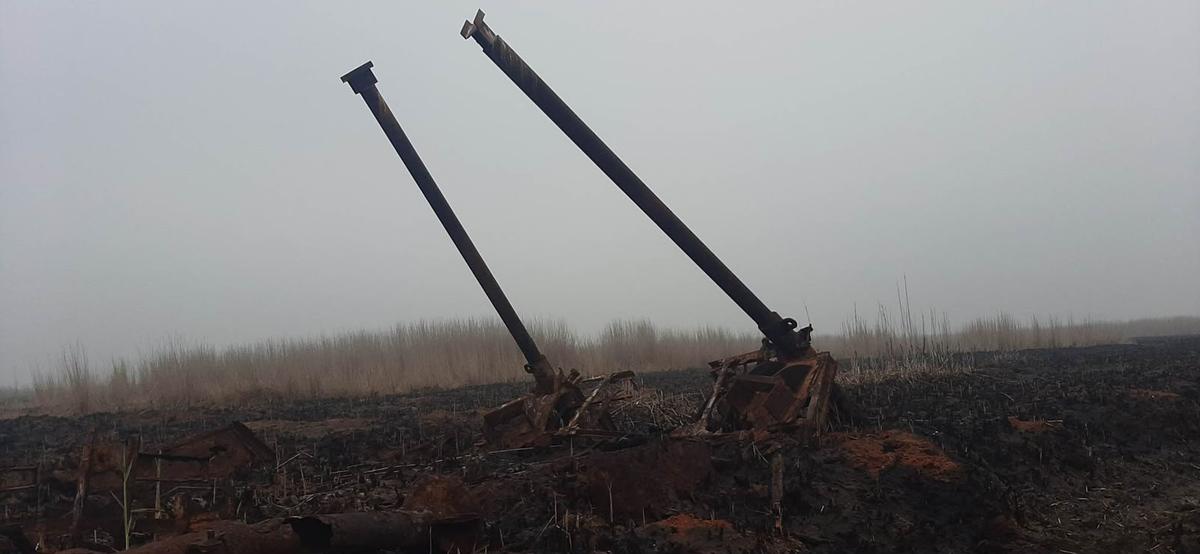
Yes, most of the remnants, especially the launched/fired rockets, emerged after the drainage — meaning this whole area used to be submerged in water.
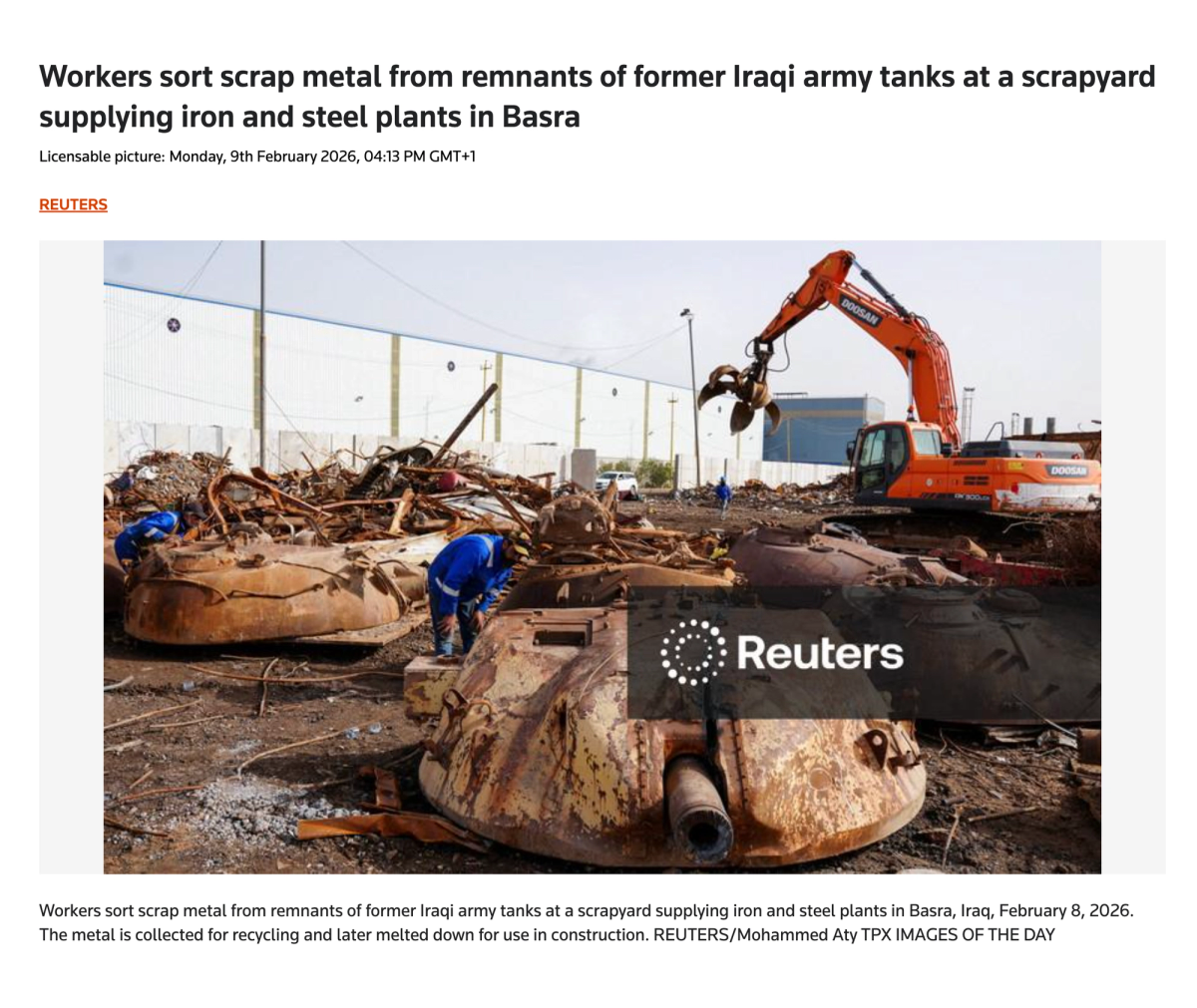
What the drainage and drought exposed blended into everyday life, until it found a new purpose. The tank that had served as Mustafa’s childhood playground suddenly disappeared.
The last time I saw it, I found out they cut it up, not leaving anything of it; selling it off as scrap metal.
Some of them still have gunpowder in the rockets; they open the rockets, take the gunpowder, and sell the gunpowder. And there are parts in the rockets that they also open up and take. There are even landmines they take apart...
The materials became part of an informal economy. Military remains are cut and sold. And while the metal’s exchange value moves through a wider commercial network, those undertaking the work absorb the risks and labor of demilitarization.
I saw an incident in which three people died. The incident happened near my area. A group of young guys brought one of the abandoned projectiles/munitions, and they were striking it, hitting it, until it exploded on them. We heard the sound, so when I went [there], I found nothing but cut-up bodies, and flesh scattered everywhere. I was a witness to it, roughly around [the time] after the fall of Saddam.
In the name of protecting people from the dangers of the military remains, Al-Hawizeh Marsh is increasingly made inaccessible by local authorities.
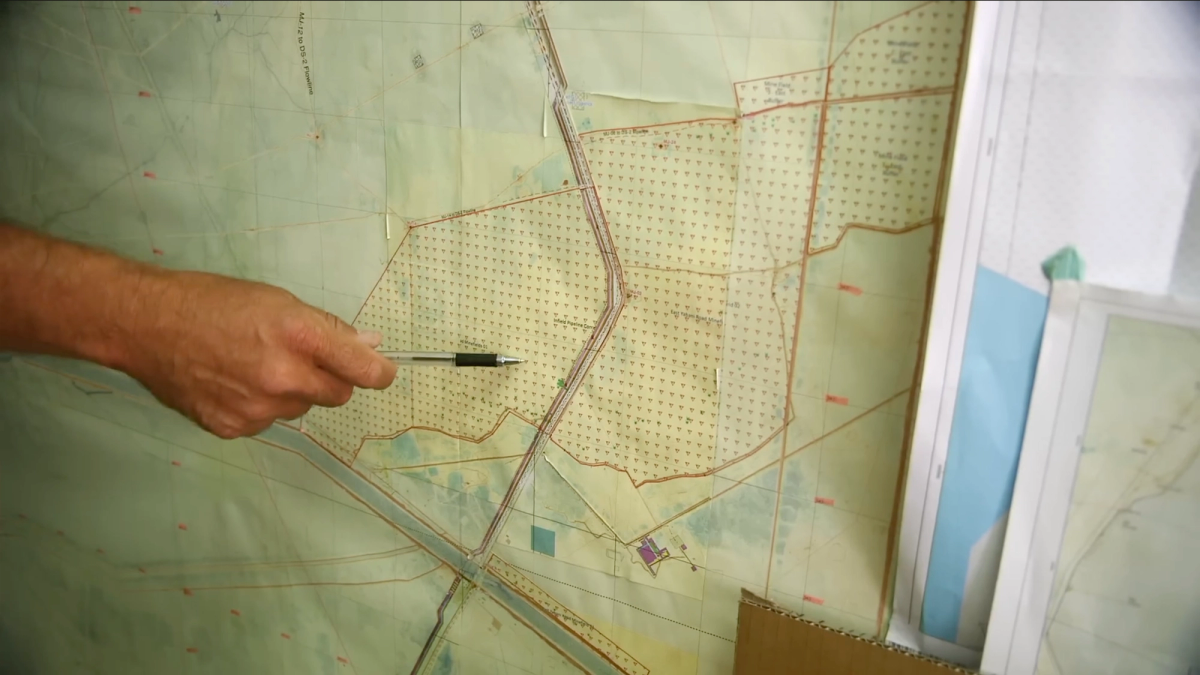
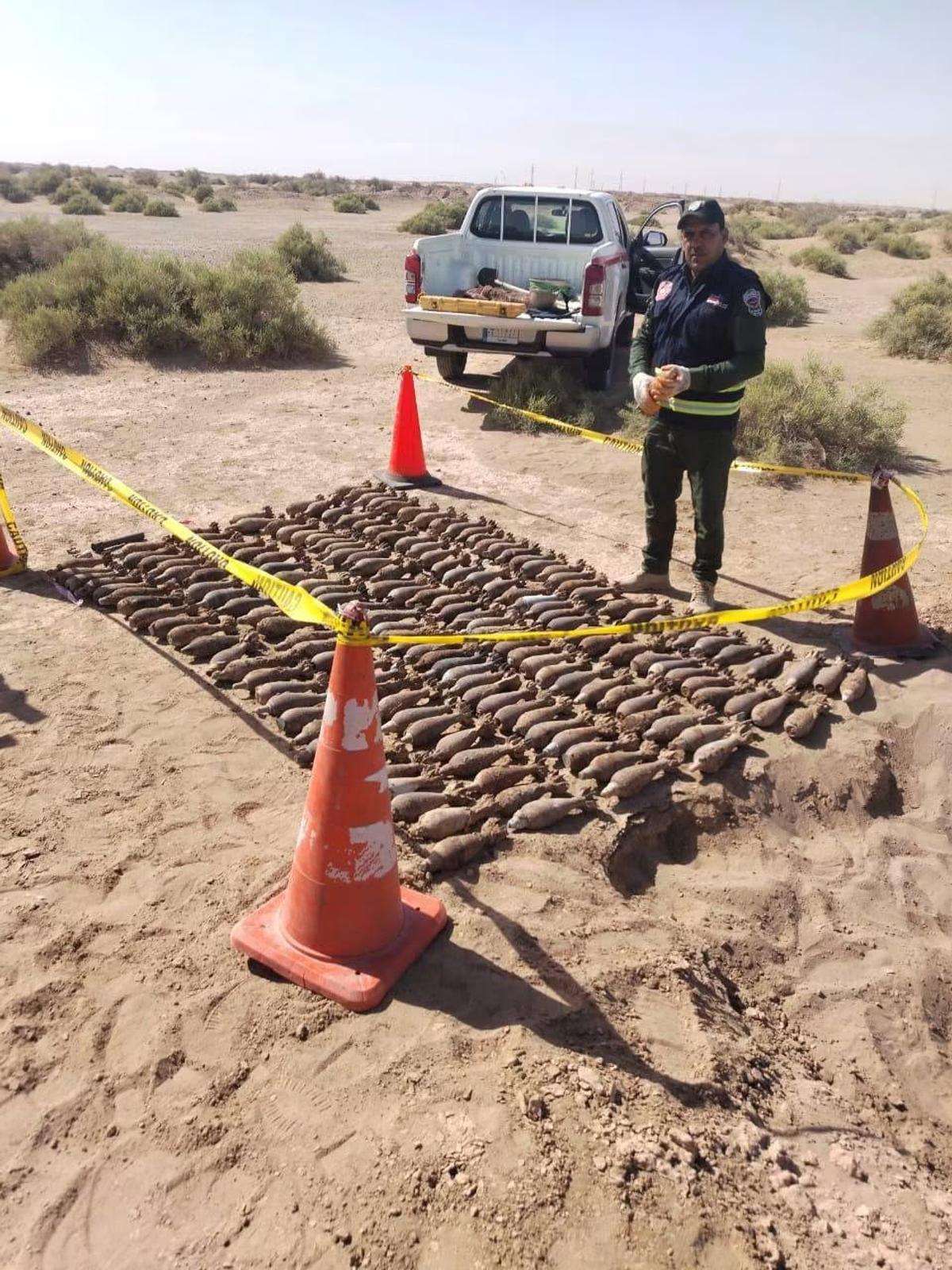
Now us, as citizens, they've barred us from entering this area. Their excuse, over the years that have passed, is that they say it's an area with mines and it's dangerous. Meanwhile, the oil companies come in and do a clearance survey of the area — the survey, for example, [covers] 500 meters. They build roads and open up roads — the roads, for example, 10 meters, and the [cleared] areas 400 or 500 meters. They do a full clearance survey for it — contracted companies work with them to remove the mines.
These mines, they clear the place only for the oil companies, not for the citizens, nor for the herders, like the shepherds of sheep and cattle who are present in this area, nor for the residents of the area. No, only for the oil companies. They clear the places that have oil wells and the roads that they build.
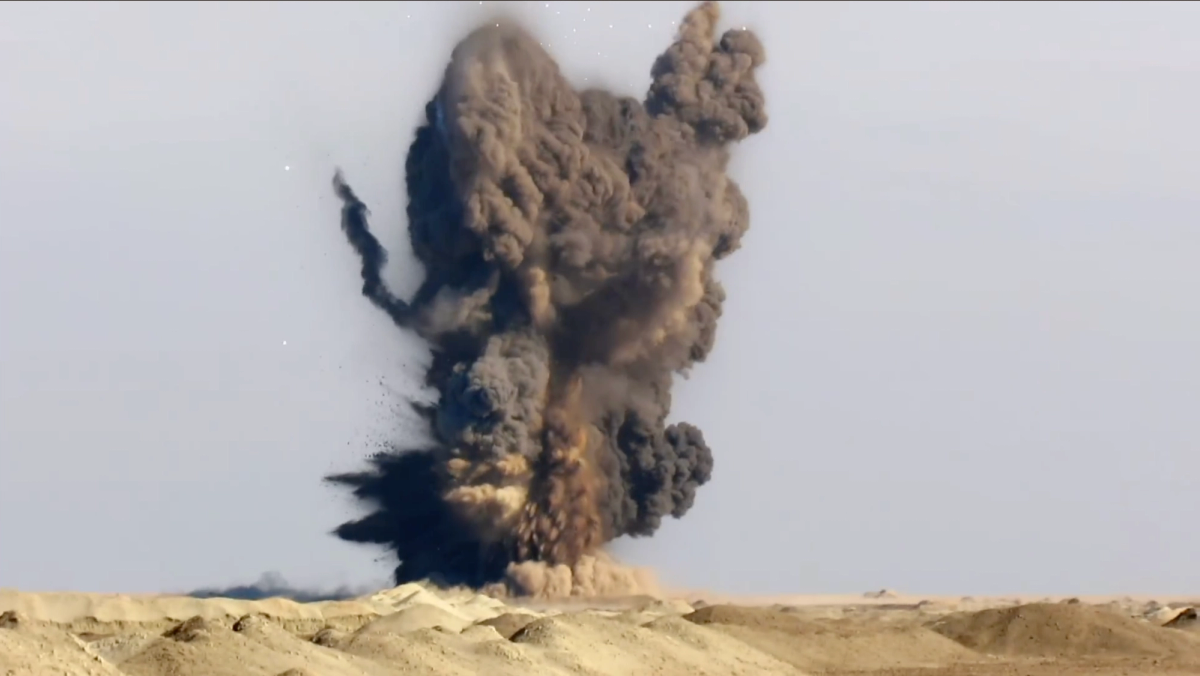
Oil fields are contracted out, markers installed, and munitions gathered and detonated in place, releasing toxins into the air. Elsewhere, the landscape remains perpetually at war, as unexploded ordnance waits to be triggered.
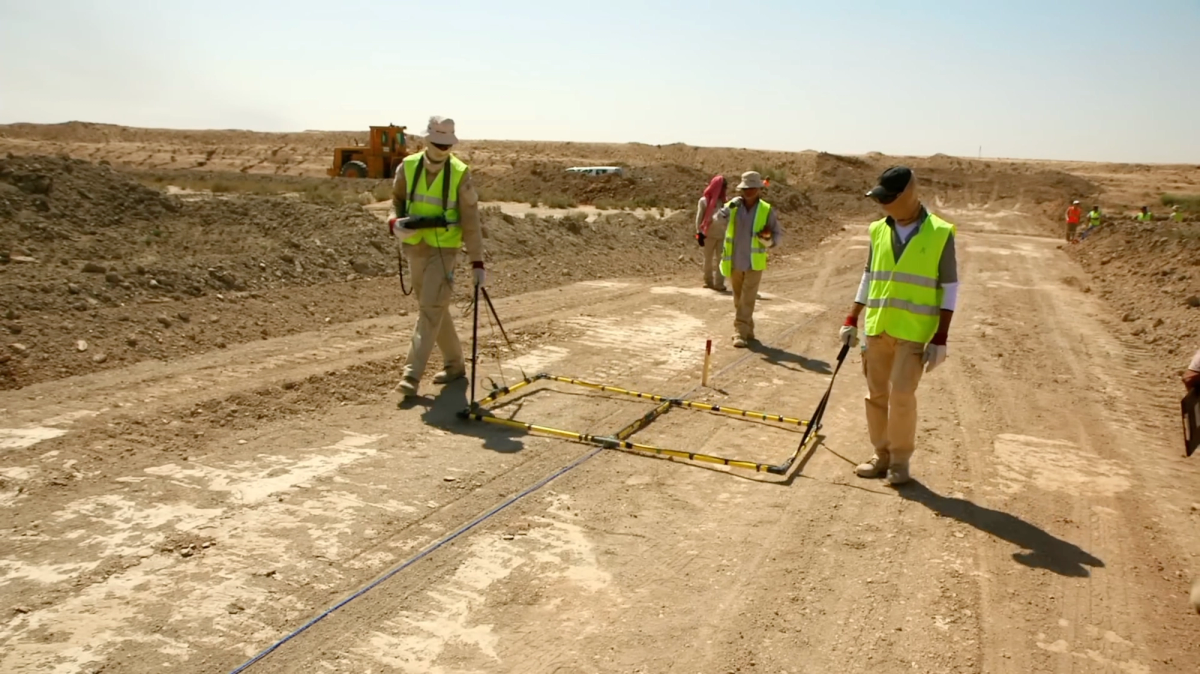
During the protest, when we blocked the road on them [Oil companies], they came and we saw their vehicles, cars, and equipment. I asked about the matter, and it turned out that the Ministry of Oil recently contracted with the army — it's the army's engineering corps that clears the roads for them.
They don't have designated places for detonation/blasting, and on top of that, they don't have the kind of outlook where they'd care about these aspects. I mean, they have no concern, for example, for the gases... the emissions... the chemical residues that result from the detonation. They don't have this concern at all — and even the disposal methods aren't proper methods.
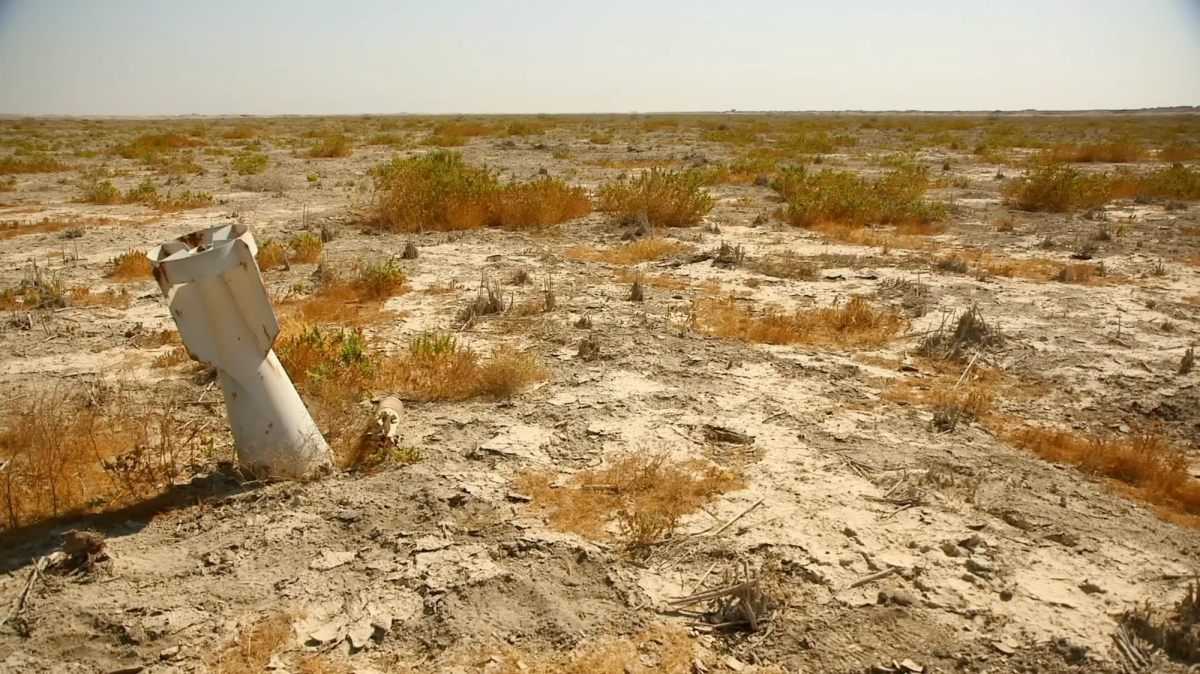
Here, contamination seeps not only from the flows of extraction and gas flares, but also from what successive wars have left embedded in the ground, water, and air.
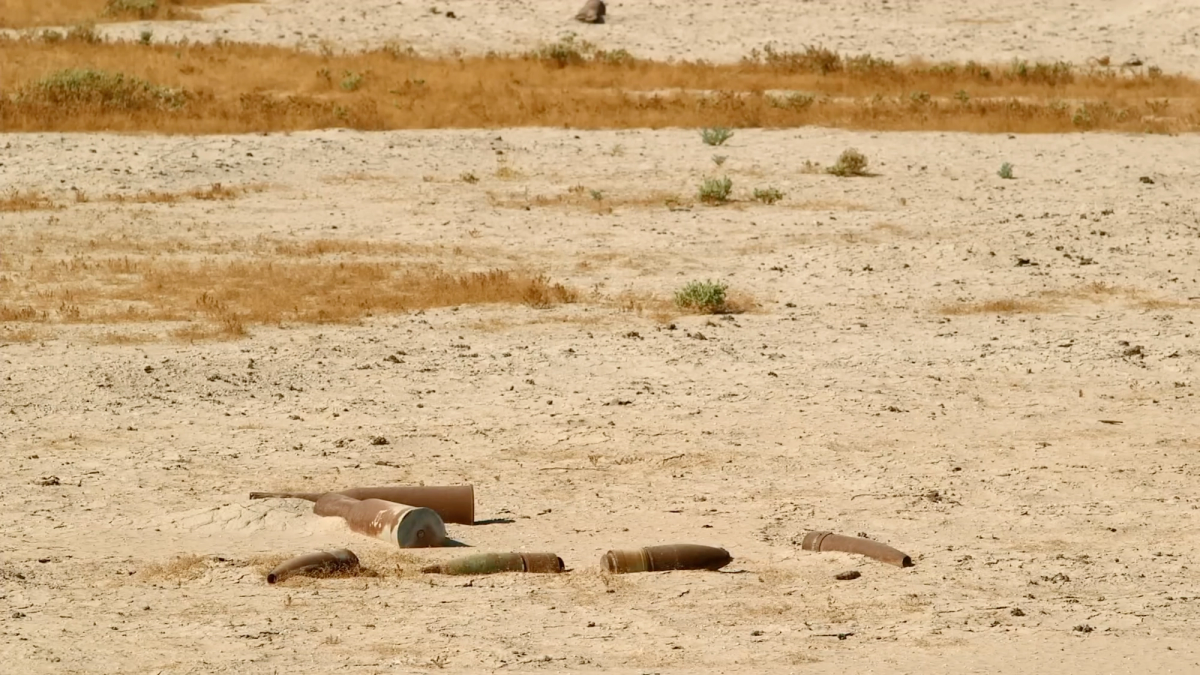
There's a family with three or four confirmed cancer cases — from one single family. And that's just from the oil waste. I mean, in any case, today, whether it's an oil-related remnant or a war remnant, it has side effects/harms on the existing community and on the people who live there.
One of the dominant narratives told about the marshes is one of purity. Historically, they have been depicted as “virgin” or untouched.
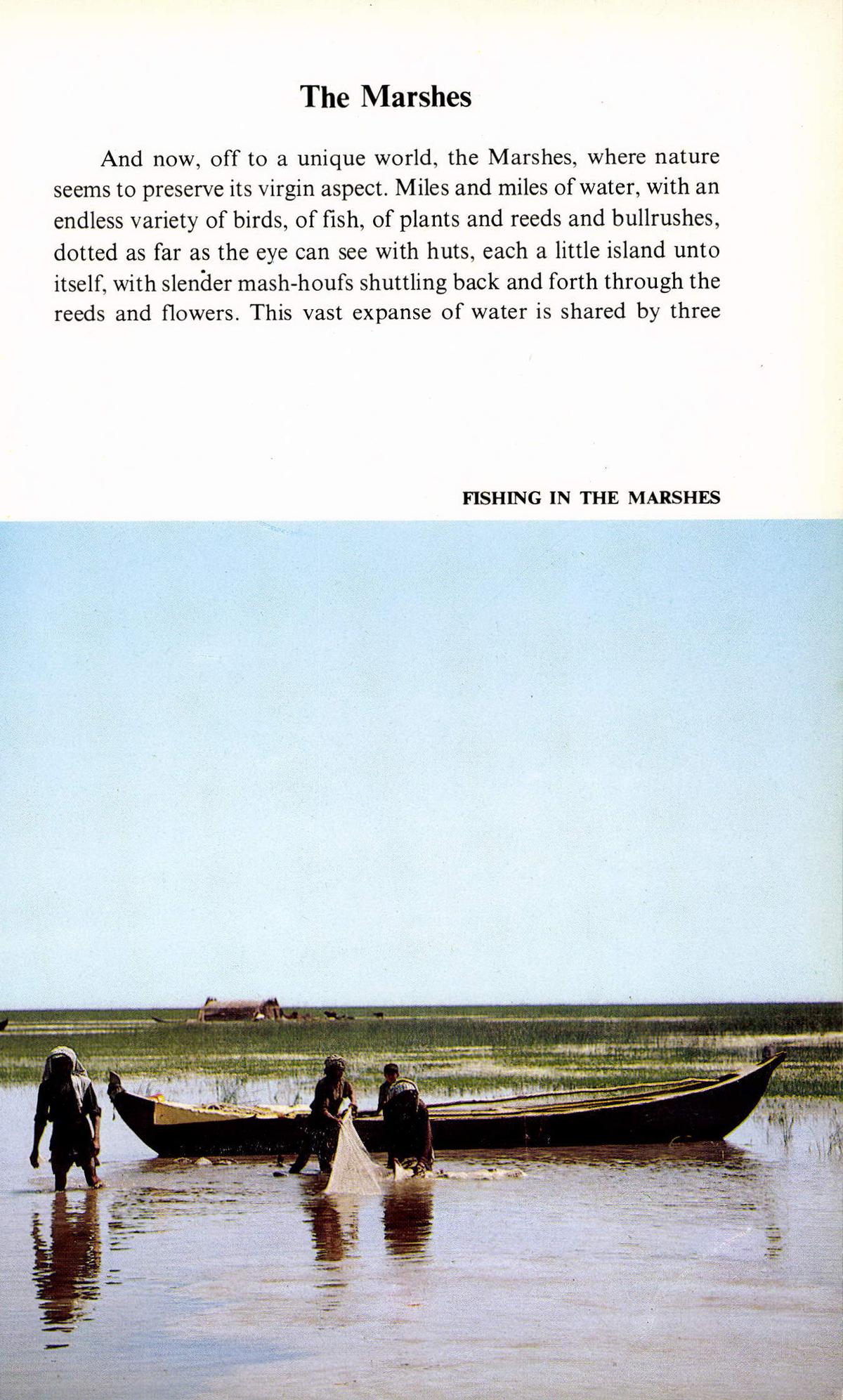
The myth of purity followed Al-Hawizeh Marsh into the UNESCO World Heritage listing in 2016 and the Ramsar convention designation, dismissing the history of militarization, oil extraction, and those who found themselves lighting a fire over a rocket, climbing onto abandoned tanks, or crossing waters filled with barbed wire. It did not deter the oil companies, nor did it clear any of the military remains. The designations seem to mark an endpoint rather than the start of protection.
Ramsar, naturally, doesn't even follow up on the issue of Al-Hawizeh Marsh fully and seriously. I mean, they don't have, for example, continuous monitoring in order to see what the damages are... the needs…
So we told them: if it's a war-affected area, the same way you clear it for the oil companies, clear us places [too] that we can go into. If there's danger in it, clear it and we'll go in. But no one ever responded to us — no one responded at all.
More stories coming soon