Who Enters The Marsh
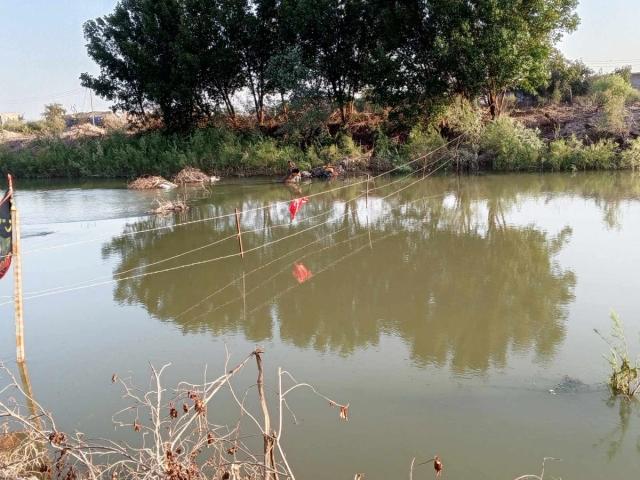
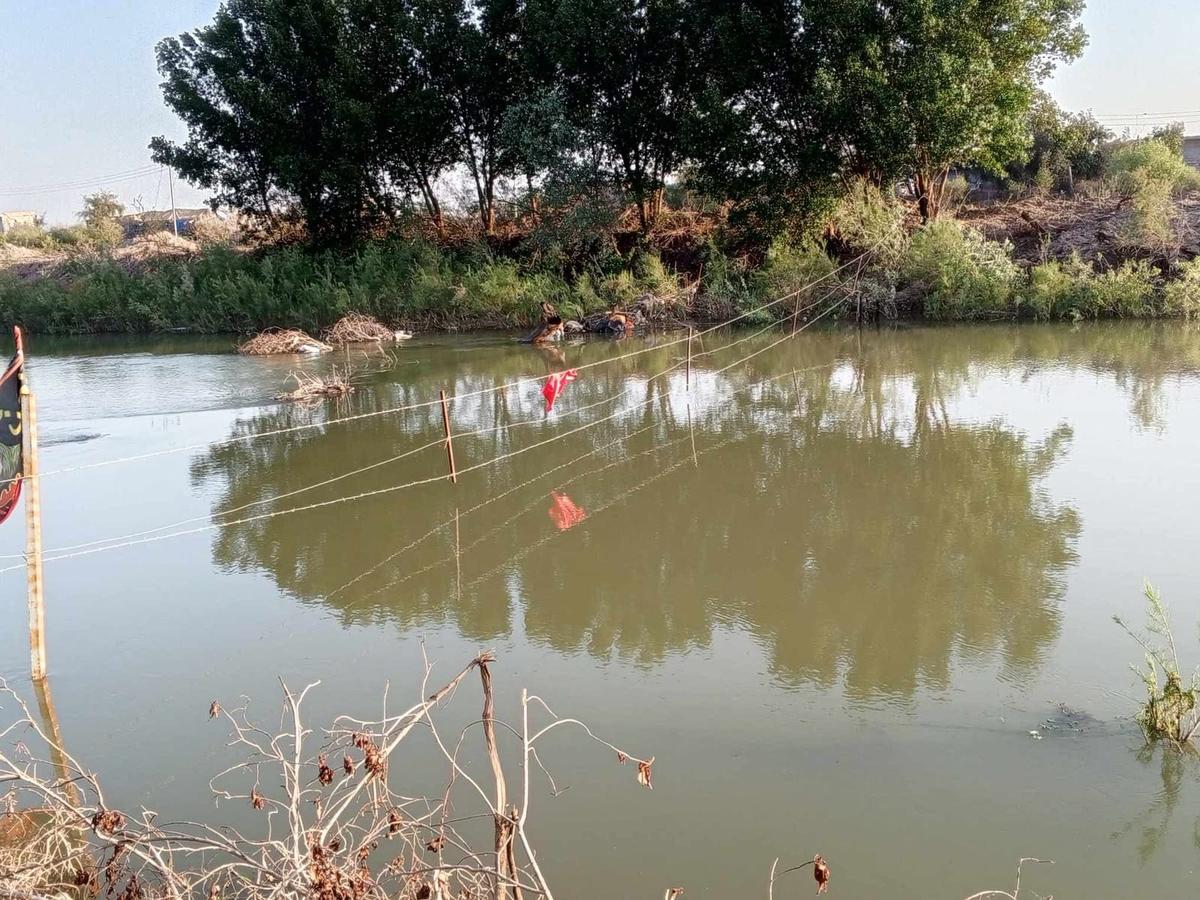
In April 2024, local authorities suddenly blocked the Ahwari people off from Al-Hawizeh Marsh, one of the last remaining marshes in southern Iraq. Being barred from the marsh, or restricted in their use of it, was nothing new to them, but this was the first time since the fall of the Ba’ath regime in 2003 that the marsh had been physically blockaded. It began with a thin strand of barbed wire across the Om Al-Toos River, a kilometer from where the river meets the marsh. Soon after, a second barrier went up at the entrance to the marsh itself.
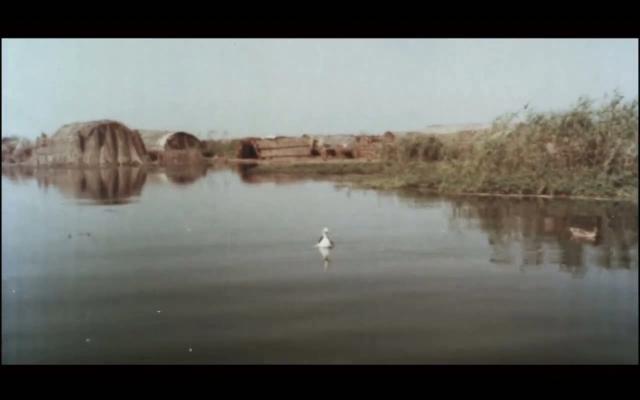
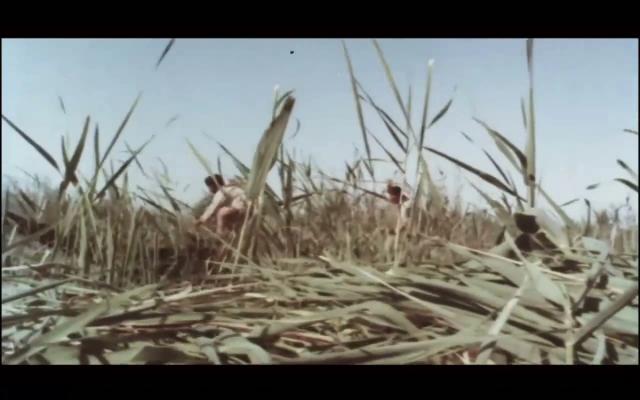
For centuries, Ahwari people lived on the waters of the marsh. They built villages of floating reedbeds, surrounded by water on every side. That intimacy with the water was ruptured the moment they were forcibly displaced from it. In modern history, the invention of the Iraqi nation-state and the borders that defined it triggered successive events. From the discovery of oil in the south of Iraq in the 1970s, to the Iran-Iraq War in the 1980s, to the drainage projects that followed the 1991 uprising, each brought its own wave of forced displacement.
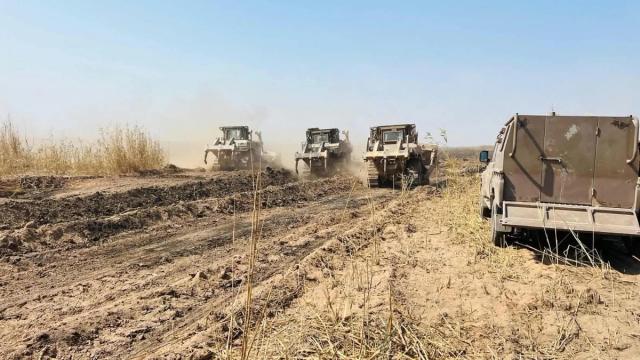
The 2024 blockade was the latest layer of barriers built up since 2003 in the name of securing the border with Iran. Border security became the justification for keeping Ahwari people out. The border guards kept extending their control zone far beyond the customary 500 meters, until it reached 35 kilometers. The marsh’s own soil was excavated to build earthen embankments around it, with a checkpoint every 500 meters. This turned the entire marsh, and the rivers and lands to its west, into a border buffer zone. Ahwari people had gone from waking up every day in dwellings a few steps from the water, to being pushed further and further away, to having to plead their cases and seek permission to be allowed into the marsh as visitors.
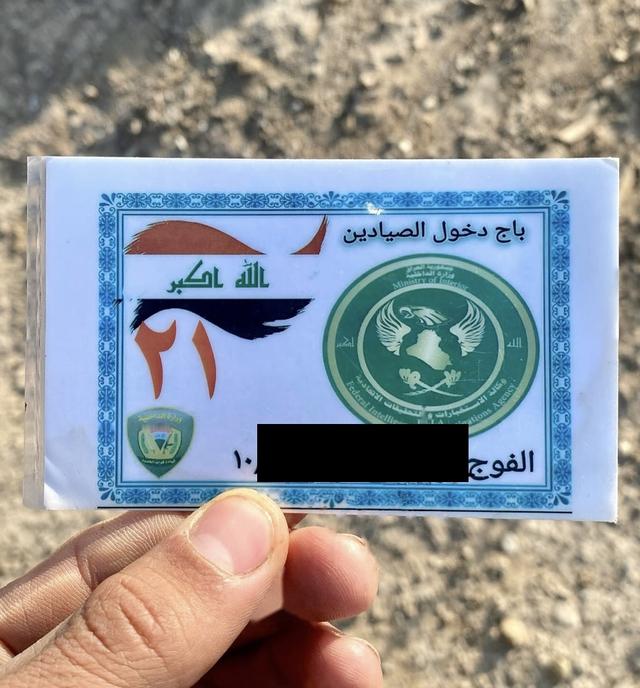
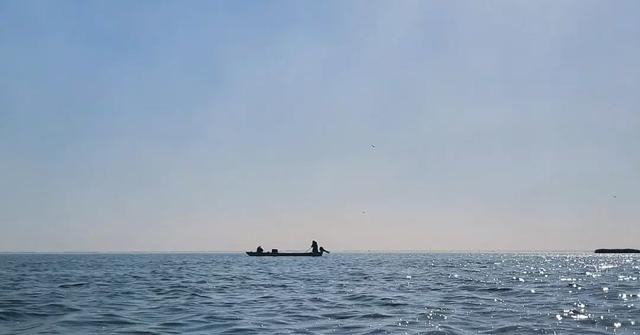
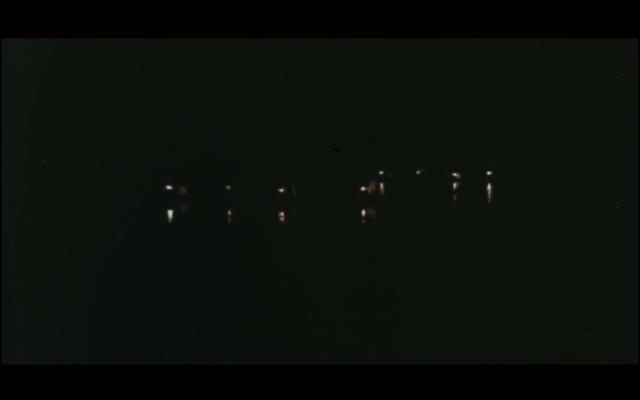
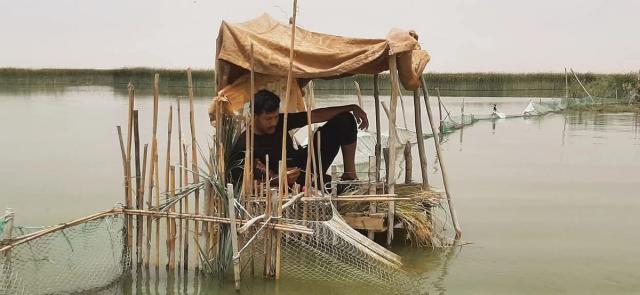
The authorities made access, already heavily restricted, conditional on body searches by border police. They knew Ahwari women would not accept this and, without offering an alternative, barred them altogether for a time from the marsh and, in turn, every practice associated with it. Their exclusion disrupted the very fabric of Ahwari society. Those who were still allowed to enter the marsh faced a time limit. Ahwari fishermen traditionally set their nets late at night and stayed in the marsh overnight to collect their catch at dawn. With entry limited to daytime, that way of fishing, and the income that depended on it, was cut off.
The roads that once carried fish and milk from the marsh to the rest of the country now carry oil trucks. Oil has ruled Iraq’s economy for a century. It began under the British Mandate, with the concessions granted in the 1920s. And it deepened under US imperialism, which since the 2003 invasion has reopened the fields to foreign companies and routed the oil revenue through the Federal Reserve Bank of New York. In the decades between, from the 1980s until the invasion, wars and sanctions, and the draining of the marshes that came with them, further weakened Iraq’s capacity to feed itself. Today, oil provides an estimated 88 percent of government revenue, part of it used to import food. The oil that pays for the food lies beneath the very marshes that once provided it. Restricted from the marsh, many families were forced to migrate. For those who remained, protest became a means of survival. After the blockade, Ahwari locals gathered again and again opposite the police station, demanding an explanation from the authorities. For weeks they received no answers. Some restrictions were eventually eased under pressure from the protestors, but freedom of access to the marsh did not return. And as they continued to fight for access, oil exploration machinery was making its way into Al-Hawizeh Marsh.
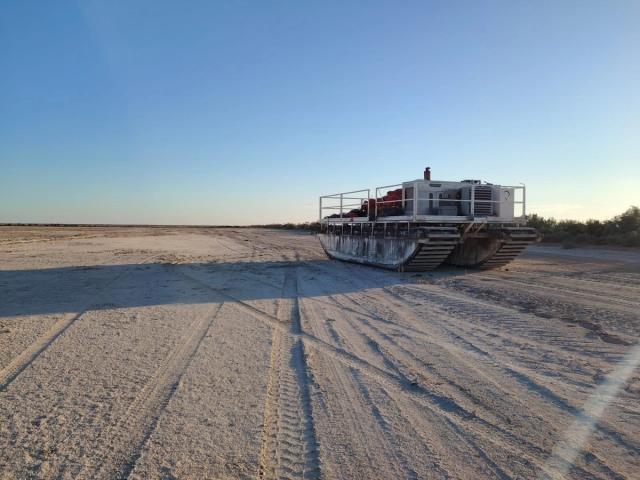
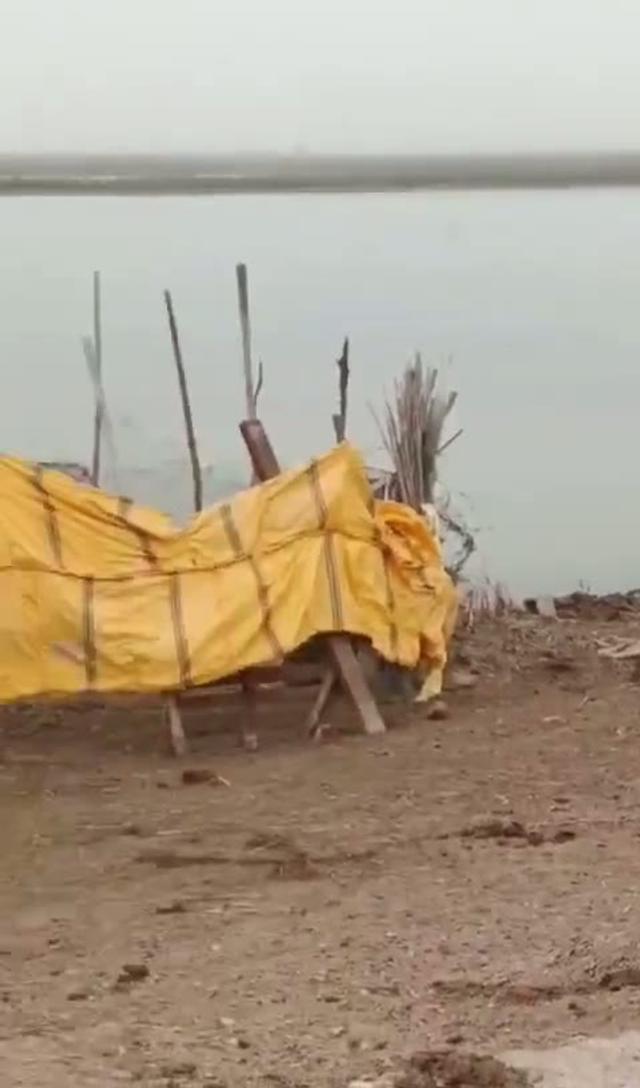
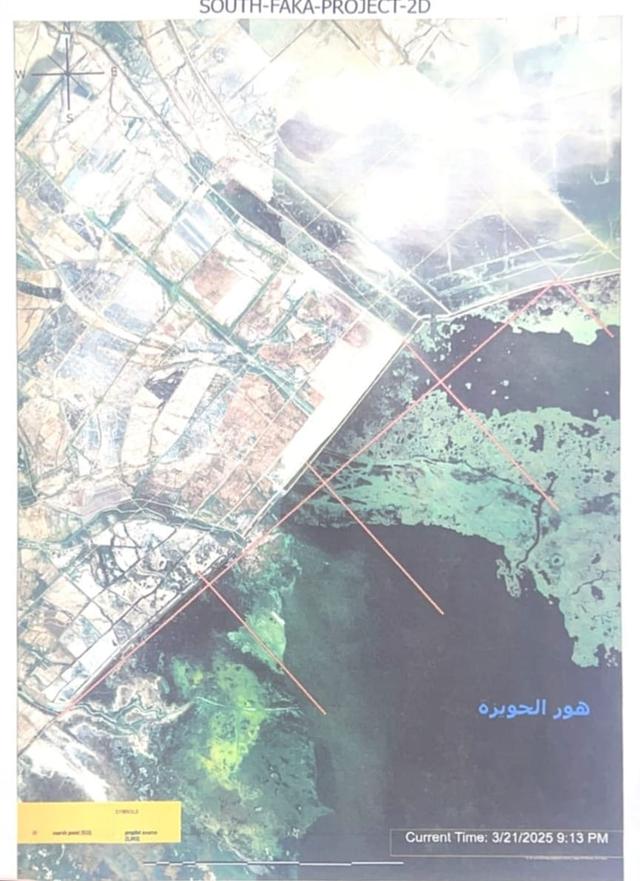
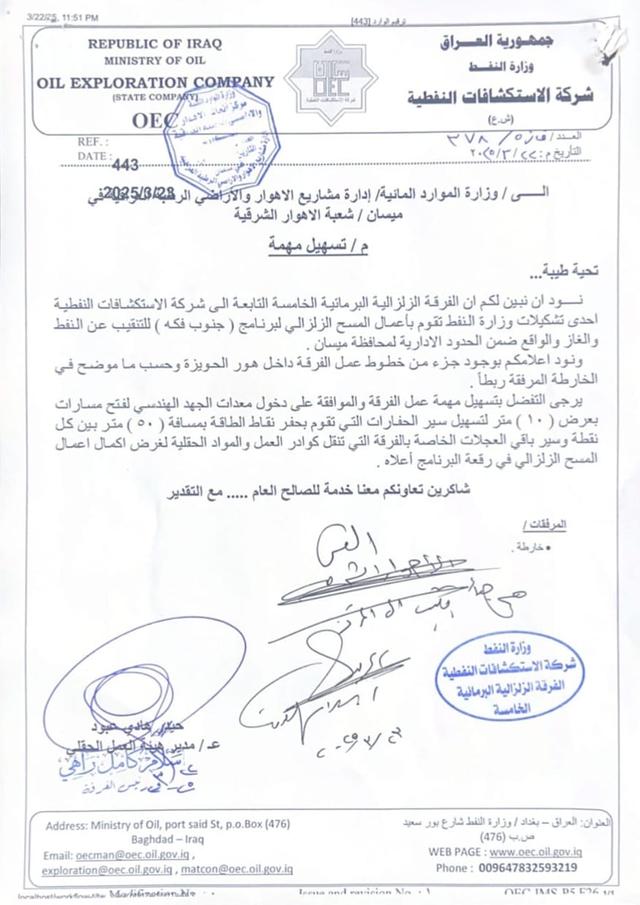
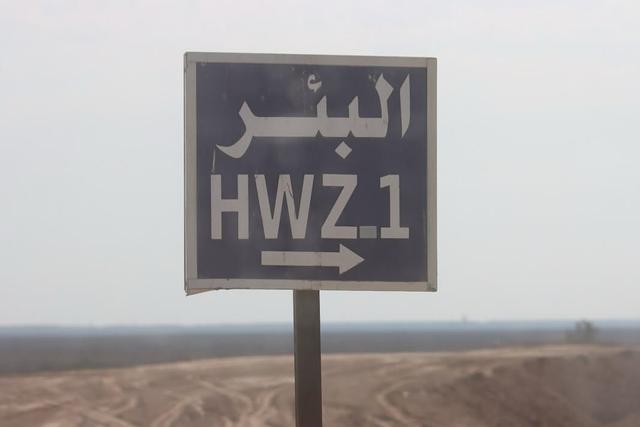
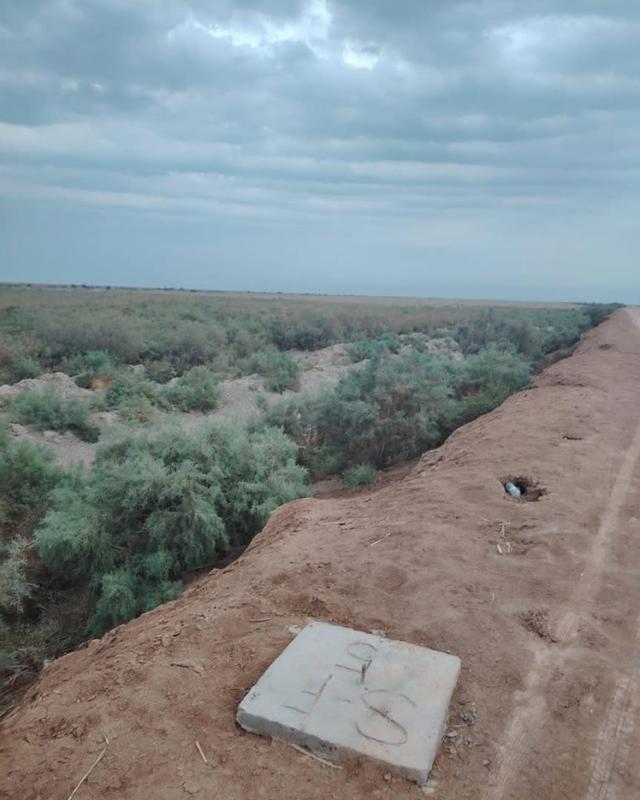
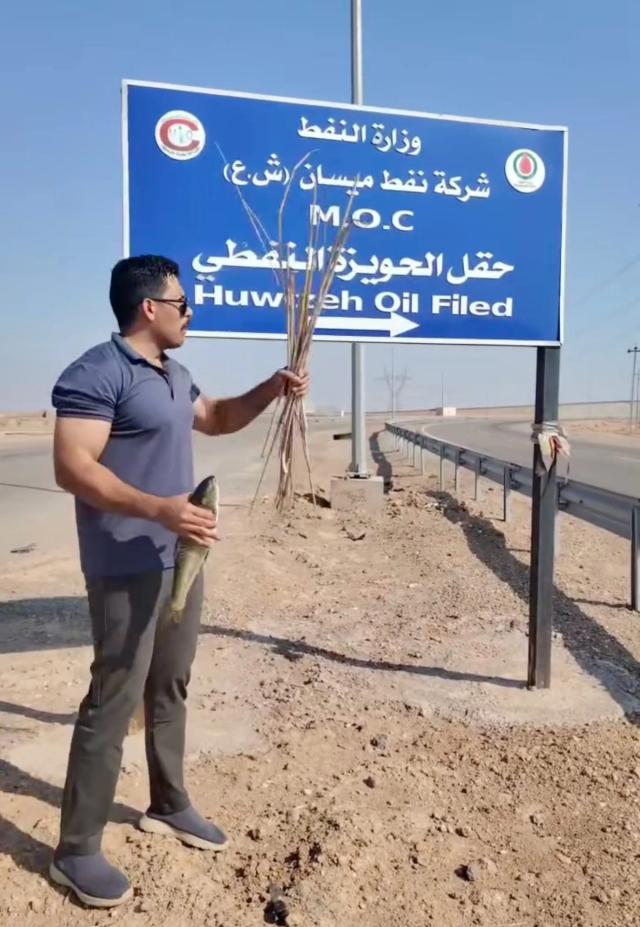
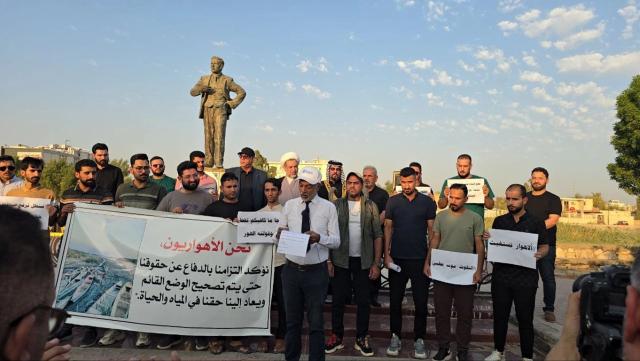
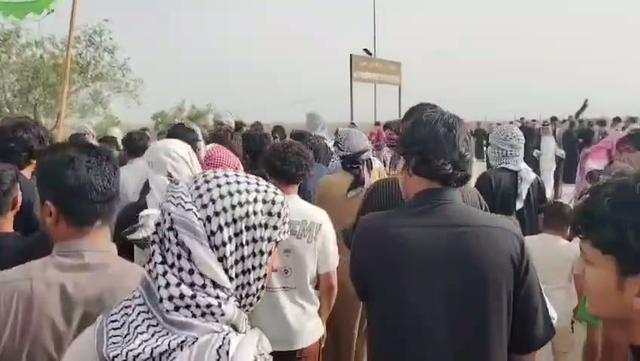
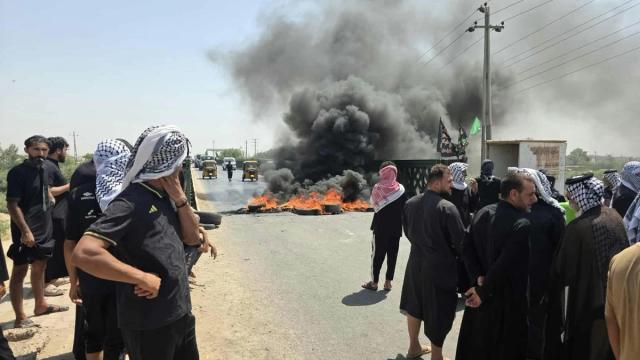
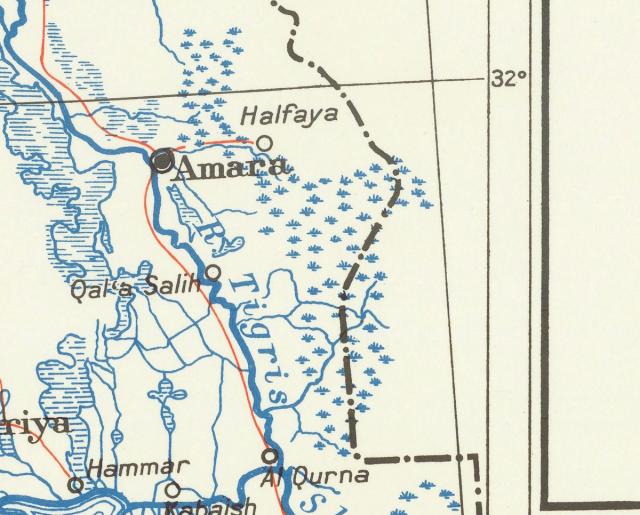
Oil is not new to Al-Hawizeh Marsh. Since the 1970s, oil fields and wells have spread across much of what used to be part of it. But this was the first time exploration had entered the part of the marsh protected under the Ramsar Convention and inscribed on the UNESCO World Heritage list in 2016. Local Ahwari activists obtained a series of official letters, including one dated March 22, 2025, in which the Ministry of Oil attached a map gridded with seismic survey lines. Along each line it demanded a 10-meter-wide corridor bulldozed through the marsh's soil for drilling rigs, each assigned to punch a hole every 50 meters. The corridors belong to a larger plan for Al-Hawizeh oil field, which extends across the Iran-Iraq border. In 2018, it was awarded to China’s Geo-Jade Petroleum. Oil exploration now stretches across approximately 300 square kilometers, from Fakkah to Musharrah. Already, 11,000 exploration points have claimed the last remaining waters of the marsh for oil. A taxidermied otter, a buffalo skull, and a fishing spear, joined the protests, representing the lives the oil industry threatens along with those of Ahwari people. The location of every protest marked a relation between infrastructure and injustice: they blocked the road used by oil trucks, they protested by the blocked underpass that they used to pass under by boat to enter the marsh, they held sit-ins outside the police station and checkpoints that would not grant them permission to herd their buffalo, fish, or gather reeds, and they surrounded the water regulator that controls how much water their rivers and marsh receive.
I was at home that day, and my father had gone to take the buffalo out to the marsh. As soon as he saw what was happening, he came back home and told us the story.
In April 2024, local authorities suddenly blocked the Ahwari people off from Al-Hawizeh Marsh, one of the last remaining marshes in southern Iraq. Being barred from the marsh, or restricted in their use of it, was nothing new to them, but this was the first time since the fall of the Ba’ath regime in 2003 that the marsh had been physically blockaded.
It began with a thin strand of barbed wire across the Om Al-Toos River, a kilometer from where the river meets the marsh. Soon after, a second barrier went up at the entrance to the marsh itself.
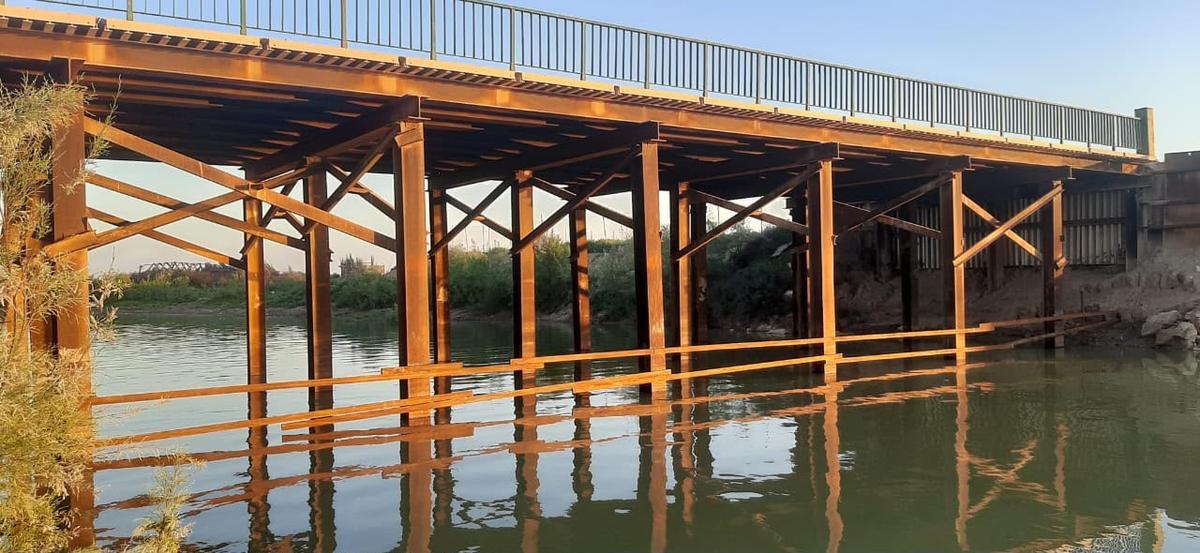
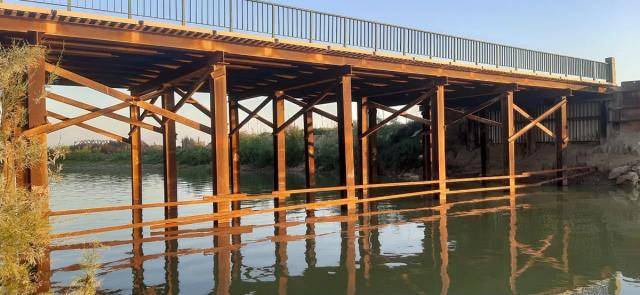
This is the other bridge. What did they do to this one? They didn't just put up wire. They brought metal and welded it shut. I photographed it. And they left one small opening that can be locked and closed off. The bridge has about six openings, and they left just one open, which they close and open as they please. They did it in such a violent way. Metal, welded. Honestly, a very hostile way of doing it. Hostile to the point of... why would you block it with metal?
Honestly, I felt angry, as if you had been banned from your own homeland. We are not new to this place. We didn't just drop in out of nowhere, and we are not strangers here.
For centuries, Ahwari people lived on the waters of the marsh. They built villages of floating reedbeds, surrounded by water on every side.
That intimacy with the water was ruptured the moment they were forcibly displaced from it. In modern history, the invention of the Iraqi nation-state and the borders that defined it triggered successive events. From the discovery of oil in the south of Iraq in the 1970s, to the Iran-Iraq War in the 1980s, to the drainage projects that followed the 1991 uprising, each brought its own wave of forced displacement.
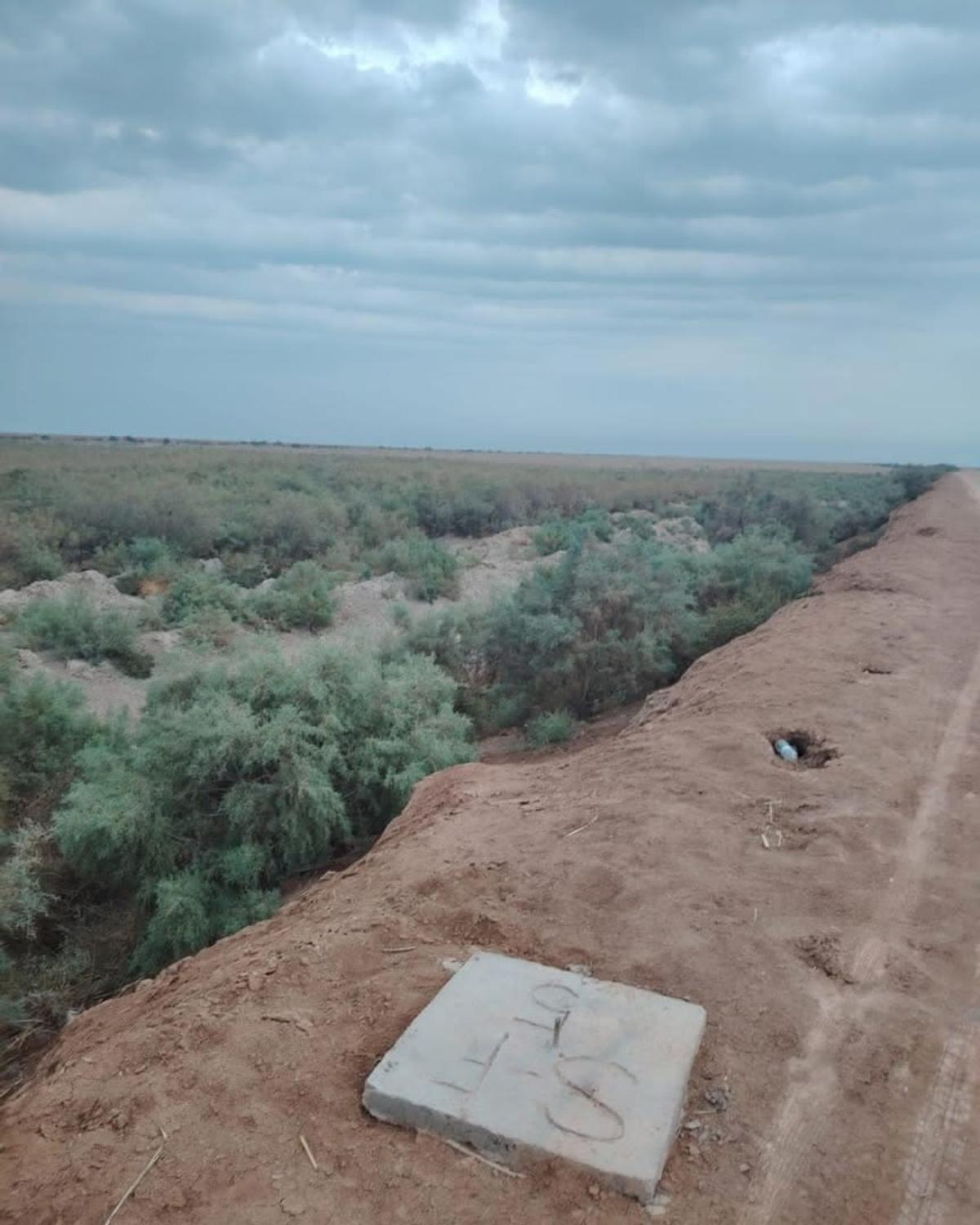
The 2024 blockade was the latest layer of barriers built up since 2003 in the name of securing the border with Iran. Border security became the justification for keeping Ahwari people out. The border guards kept extending their control zone far beyond the customary 500 meters, until it reached 35 kilometers. The marsh’s own soil was excavated to build earthen embankments around it, with a checkpoint every 500 meters. This turned the entire marsh, and the rivers and lands to its west, into a border buffer zone.
Ahwari people had gone from waking up every day in dwellings a few steps from the water, to being pushed further and further away, to having to plead their cases and seek permission to be allowed into the marsh as visitors.
Three rivers branch off from the Tigris: Al-Husaichi, Al-Zubair and Umm Al-Tous. These are the three main rivers for the local people, because they travel by boat, and the rivers run in and flow into the marsh. Along the banks of each river there are hundreds of villages, all along its length, and every one of these rivers ends by flowing into the marsh.
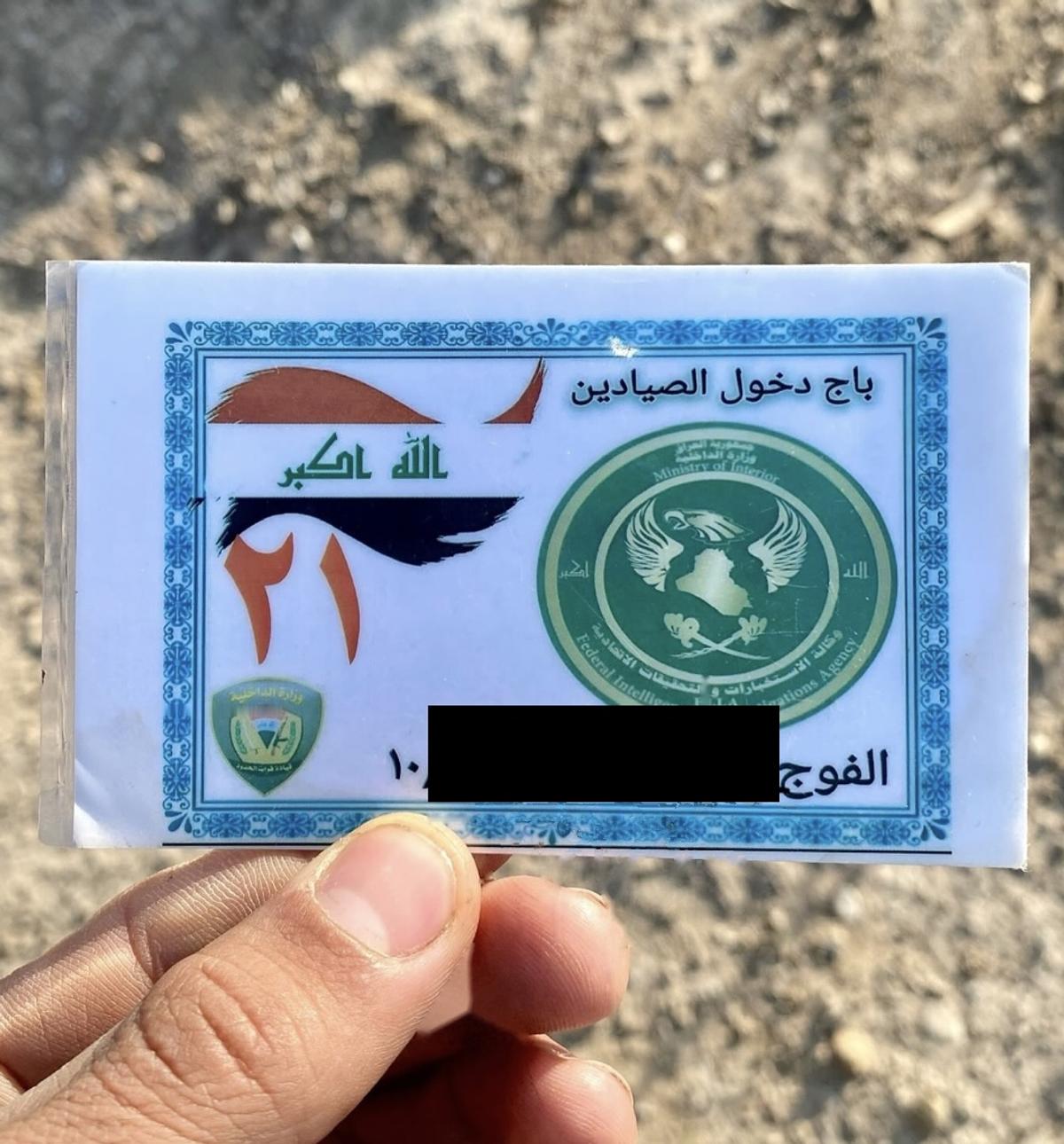
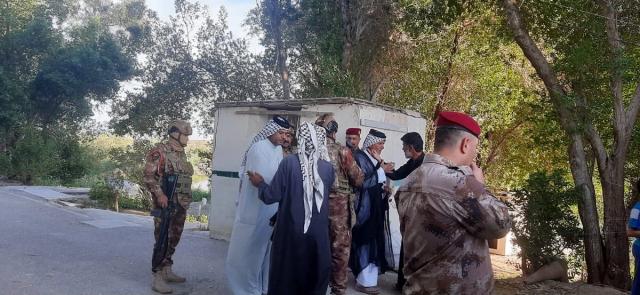
You can't get through unless they open the gate for you themselves. And after what? After you get a six-month security permit showing that you're present here and one of the local residents. These are government boats that patrol inside the marsh. And at this one in particular, you hand over your ID card and enter the marsh, and you have a set time. This is the set time: from 7:00 in the morning until 4:00 in the afternoon. But this is recent, from 2020 onwards. Before that, no. You'd give your ID and you could stay the night in the marsh, no problem.
The authorities made access, already heavily restricted, conditional on body searches by border police. They knew Ahwari women would not accept this and, without offering an alternative, barred them altogether for a time from the marsh and, in turn, every practice associated with it. Their exclusion disrupted the very fabric of Ahwari society.
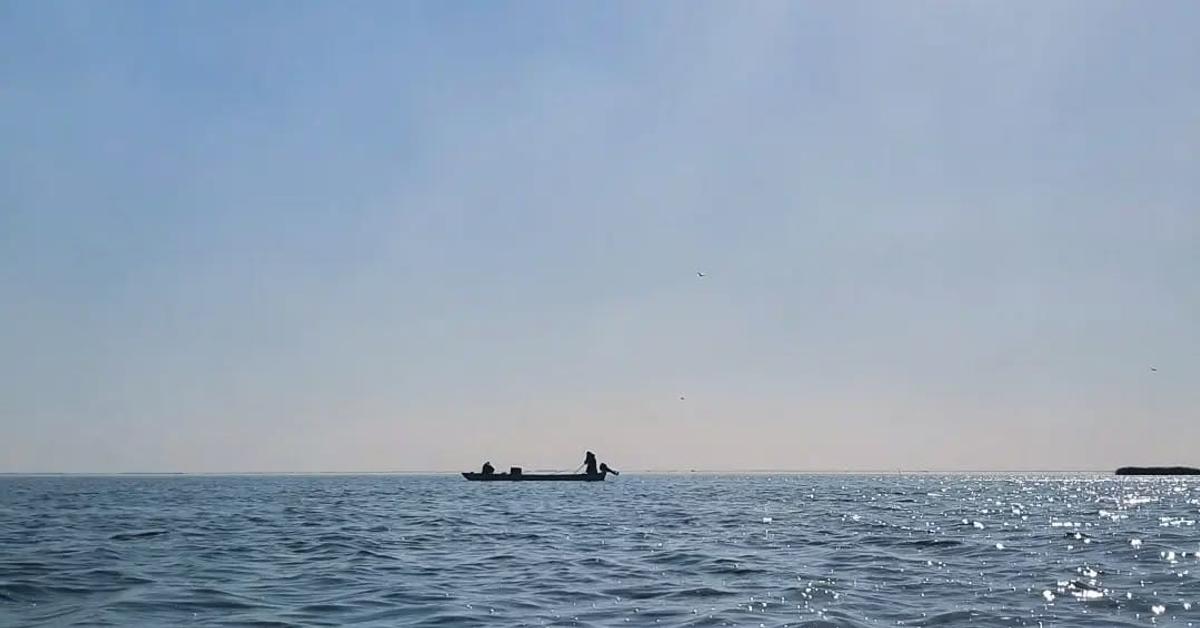
Those who were still allowed to enter the marsh faced a time limit. Ahwari fishermen traditionally set their nets late at night and stayed in the marsh overnight to collect their catch at dawn. With entry limited to daytime, that way of fishing, and the income that depended on it, was cut off.
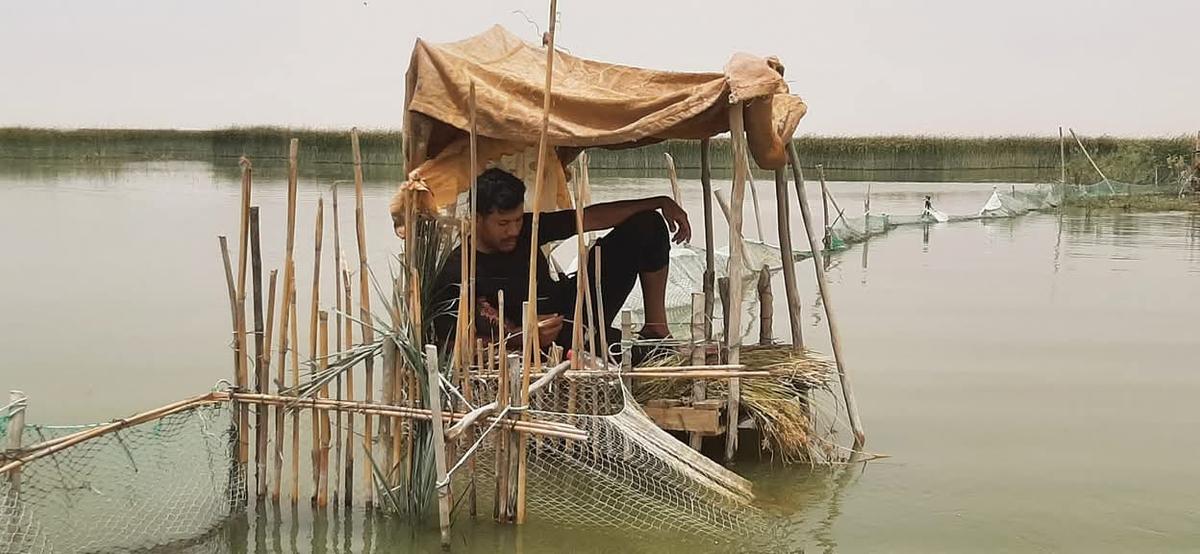
An island in the middle of the water. We get off onto it and spend the night. Any patch of reeds: you cut it from the base and lay the reeds one on top of the other, and within twenty minutes it's an island. Now, this here is an edge, water on this side, reeds on that side. That's a forest; this side is the reeds. Look, they cut these. You can make one right here: you make a square and sleep on it. Anywhere in the marsh, you can spend the night.
We, the people of the marshes, used to feed the whole south with fish. Trucks would come to us to buy fish, from Hillah, from Nasiriyah, from Basra, from the central provinces. They'd come, load up, take the fish by the ton and leave. We sold milk too; trucks would come from the provinces, and we fed them. Bunni fish, the finest kind of fish in Al-Hawizeh, people used to come for it from Baghdad, from Mosul, from everywhere. Trucks would come, refrigerated trucks packed with ice, load up and take it away. Now there's nothing.
The roads that once carried fish and milk from the marsh to the rest of the country now carry oil trucks.
Oil has ruled Iraq’s economy for a century. It began under the British Mandate, with the concessions granted in the 1920s. And it deepened under US imperialism, which since the 2003 invasion has reopened the fields to foreign companies and routed the oil revenue through the Federal Reserve Bank of New York. In the decades between, from the 1980s until the invasion, wars and sanctions, and the draining of the marshes that came with them, further weakened Iraq’s capacity to feed itself. Today, oil provides an estimated 88 percent of government revenue, part of it used to import food.
The oil that pays for the food lies beneath the very marshes that once provided it.
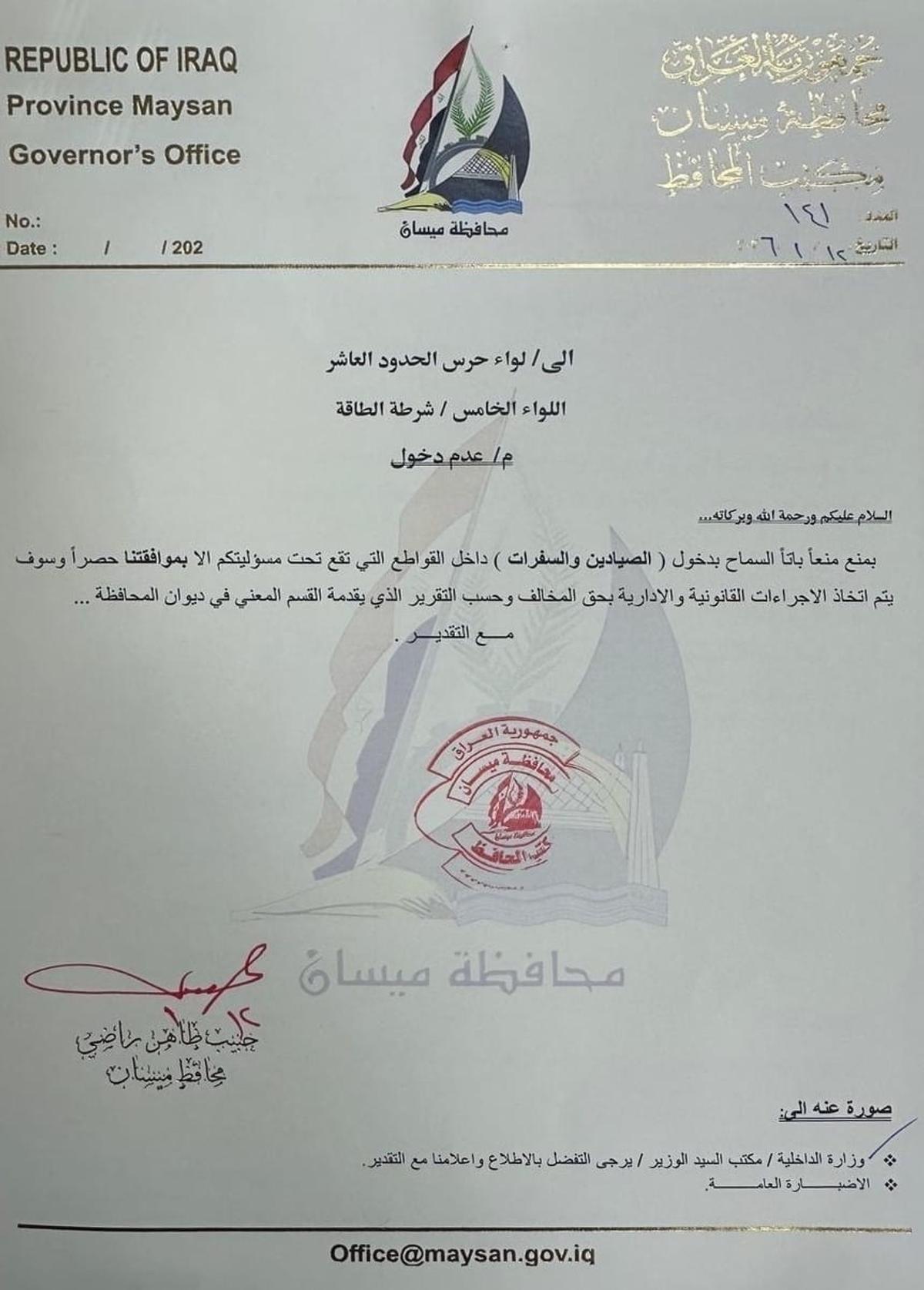
Before, I was never at risk of poverty or hunger, because I had natural resources right there beside me. Back then, even a young man from the marshes wouldn't think of getting a job with the oil companies. The companies were there, and nobody went to them, because he earned his living every day from the marsh, from fish, from birds, from everything, more than what the workers inside the oil companies were making.
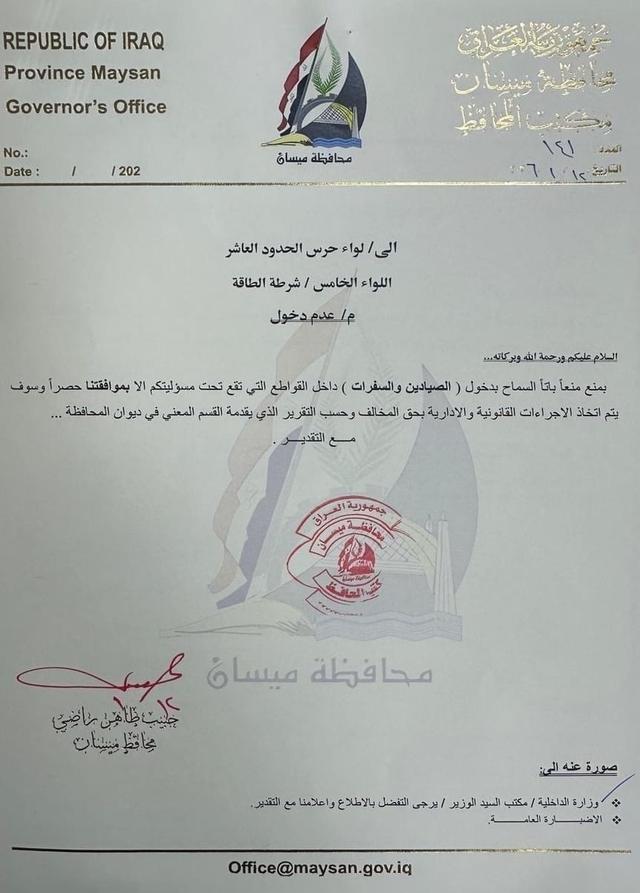
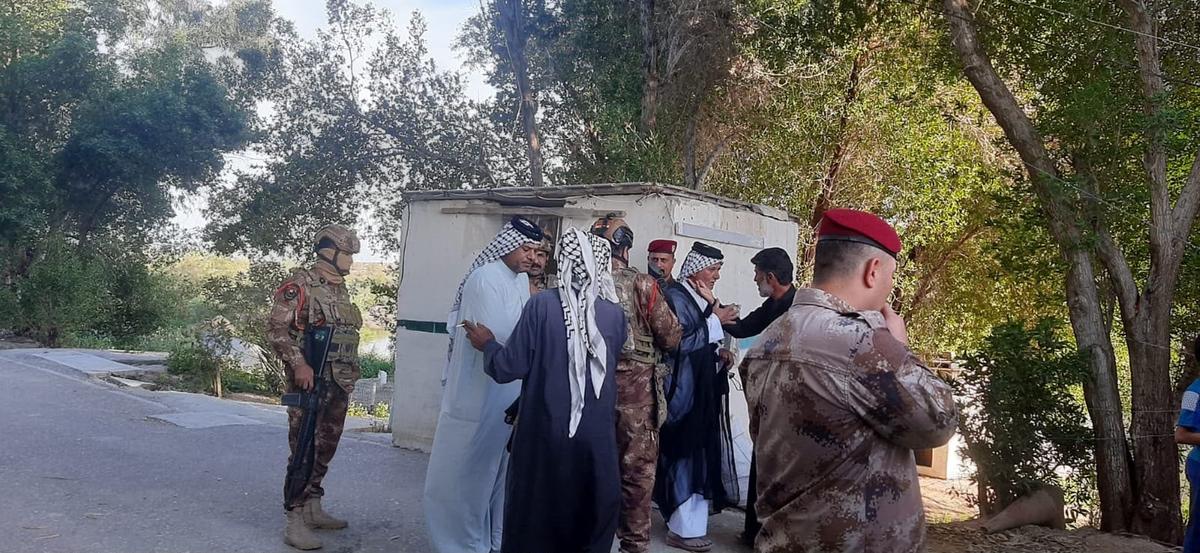
Restricted from the marsh, many families were forced to migrate. For those who remained, protest became a means of survival. After the blockade, Ahwari locals gathered again and again opposite the police station, demanding an explanation from the authorities. For weeks they received no answers. Some restrictions were eventually eased under pressure from the protestors, but freedom of access to the marsh did not return.
And as they continued to fight for access, oil exploration machinery was making its way into Al-Hawizeh Marsh.
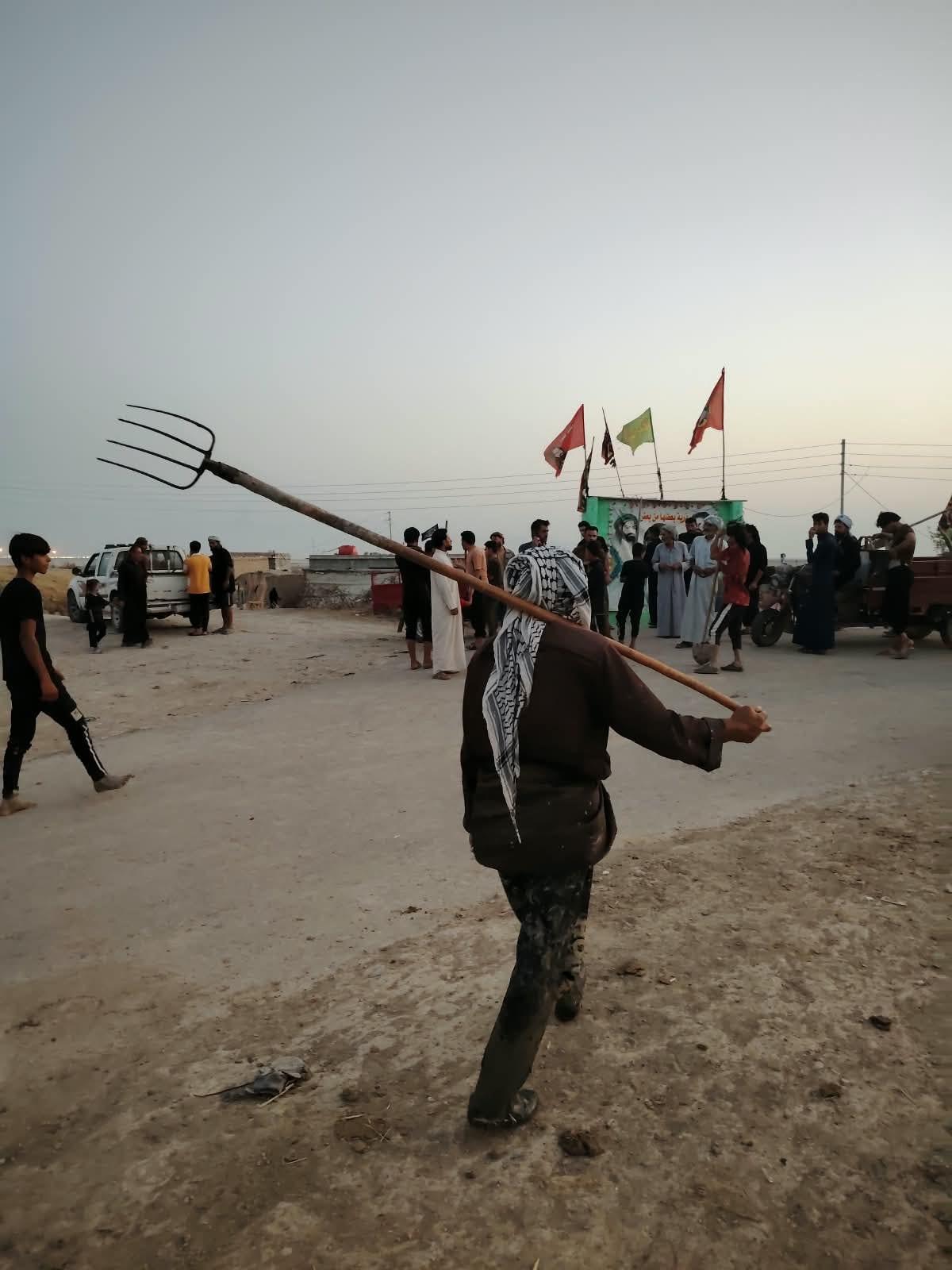
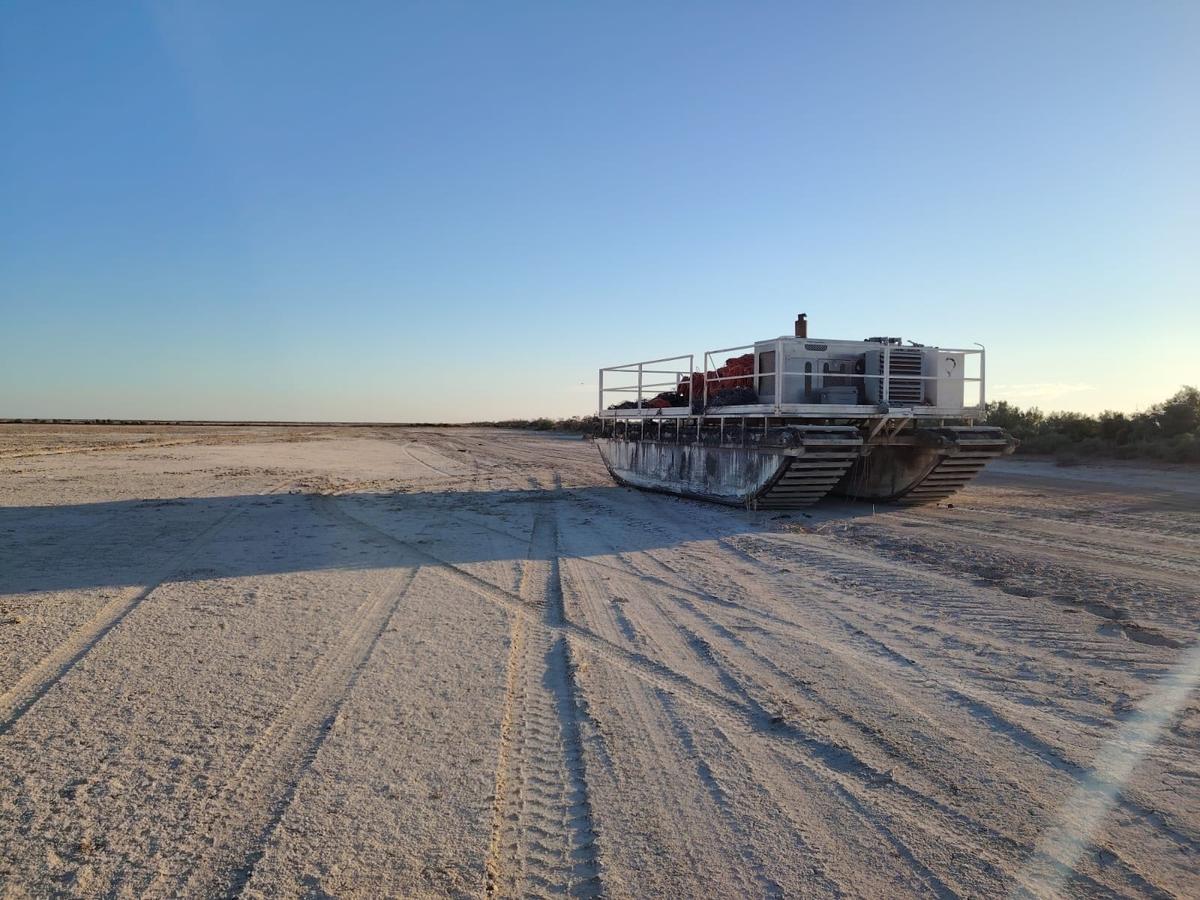
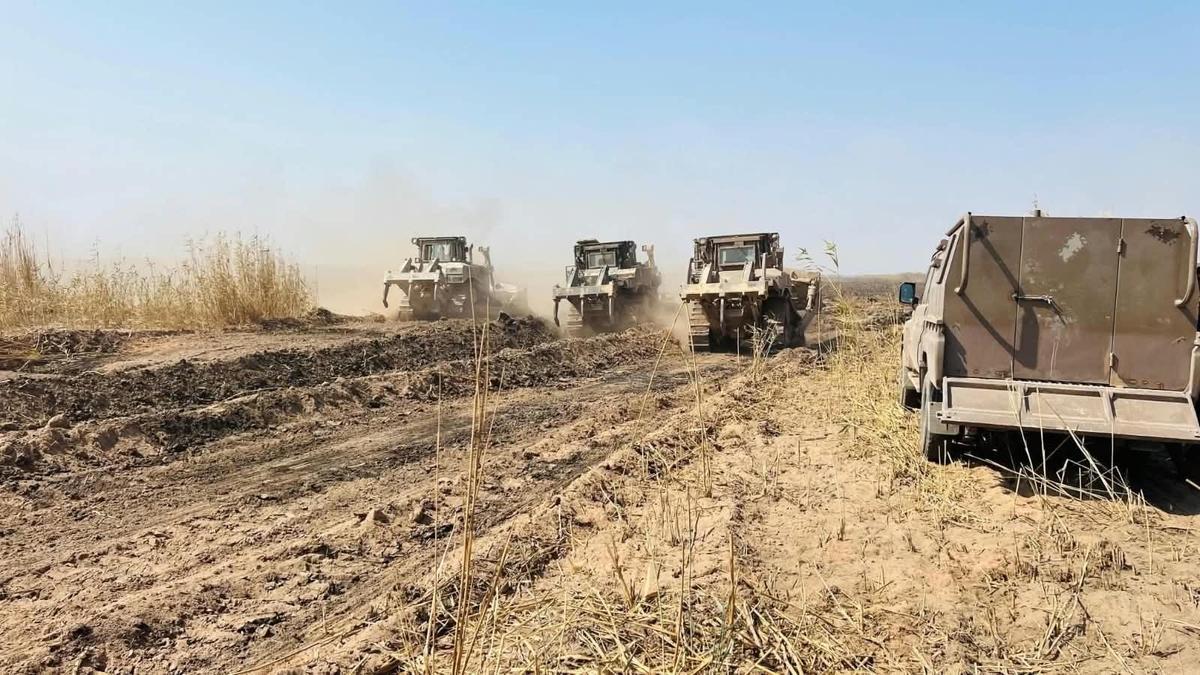
What did the vehicles do? They crossed the embankment and went into these areas, this protected zone, where you're not even allowed to plant a single flower, because you'd be changing its environment. Let alone bring in machinery and drill for oil.
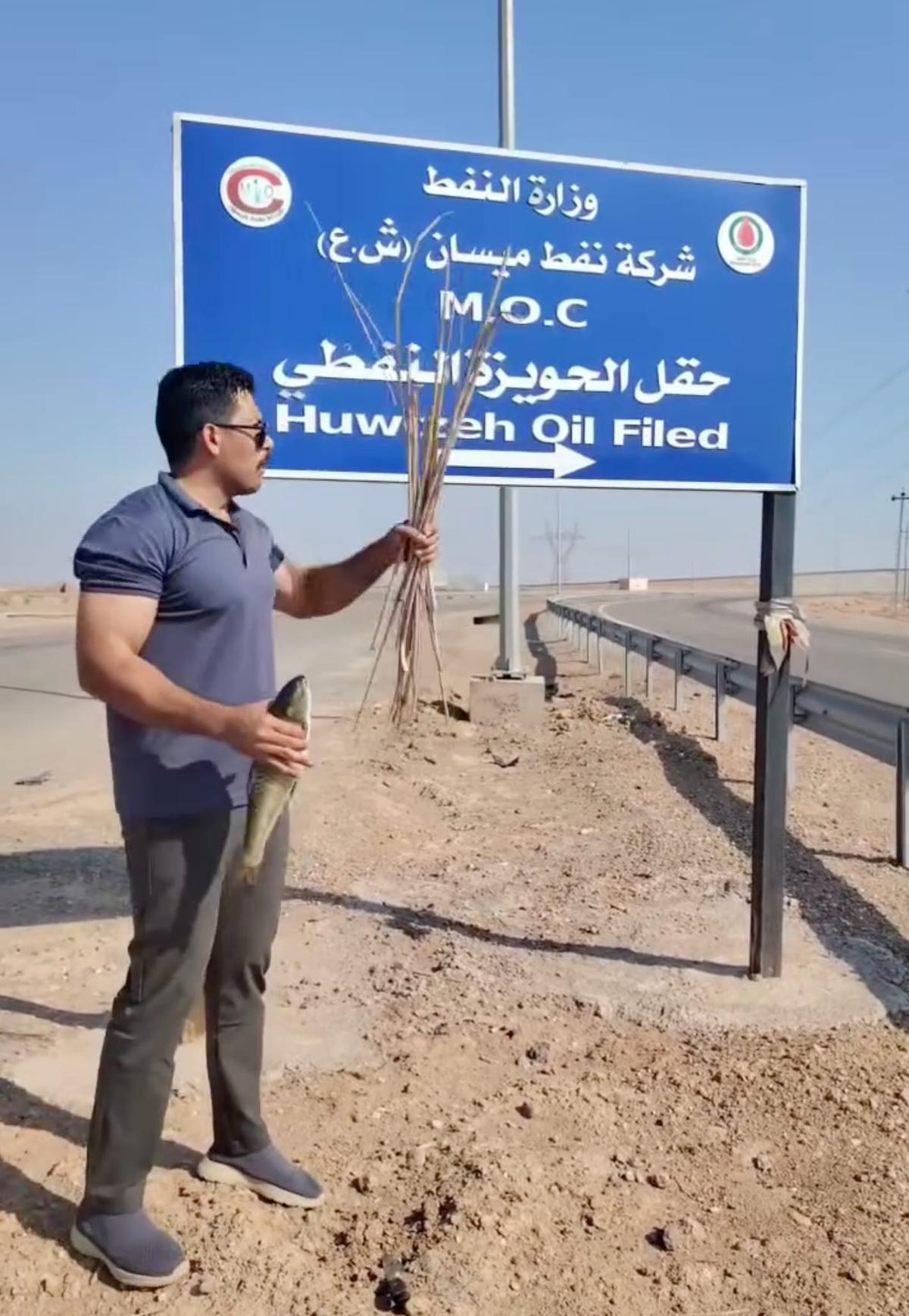
Oil is not new to Al-Hawizeh Marsh. Since the 1970s, oil fields and wells have spread across much of what used to be part of it. But this was the first time exploration had entered the part of the marsh protected under the Ramsar Convention and inscribed on the UNESCO World Heritage list in 2016.
Local Ahwari activists obtained a series of official letters, including one dated March 22, 2025, in which the Ministry of Oil attached a map gridded with seismic survey lines. Along each line it demanded a 10-meter-wide corridor bulldozed through the marsh's soil for drilling rigs, each assigned to punch a hole every 50 meters.
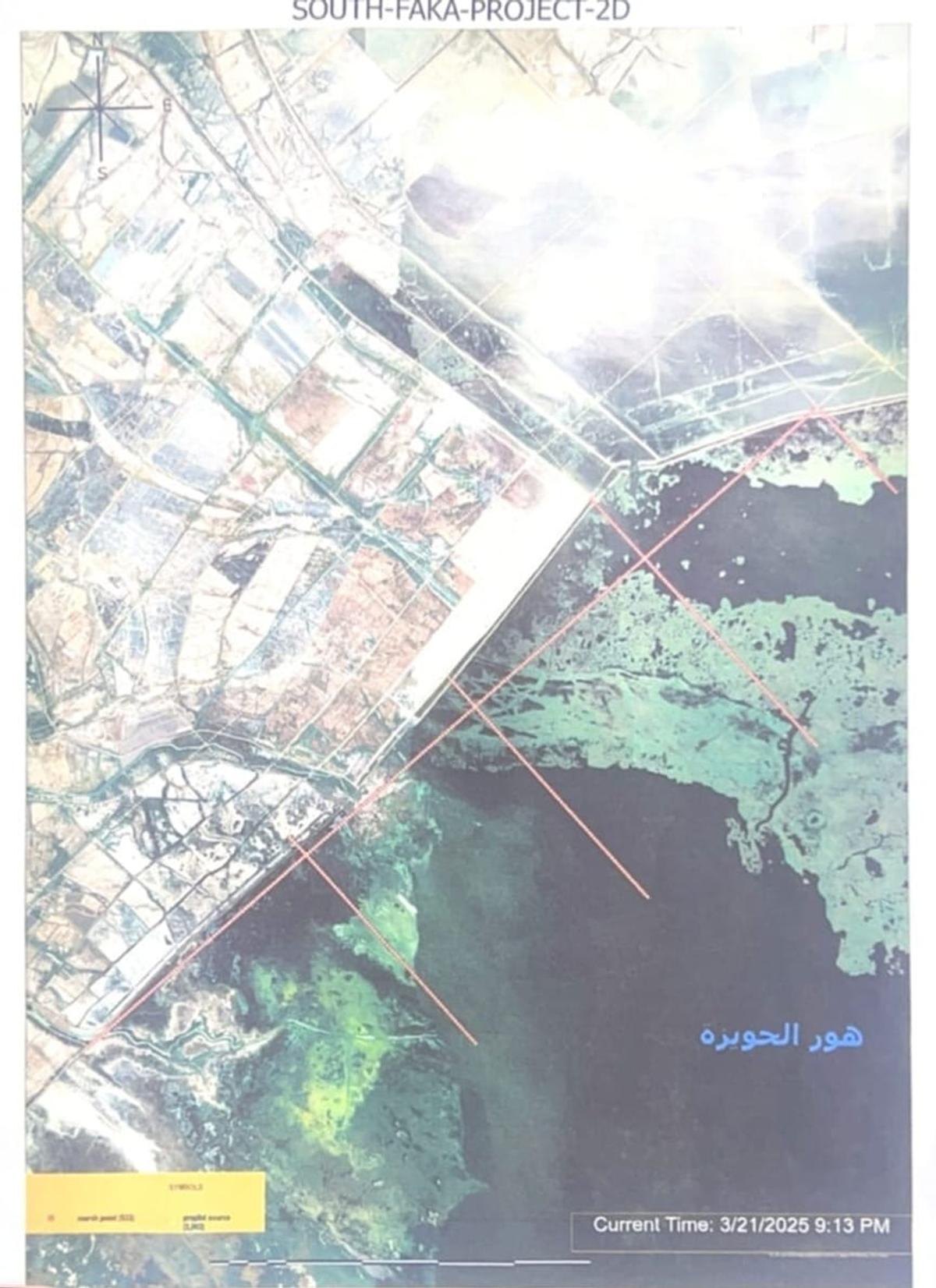
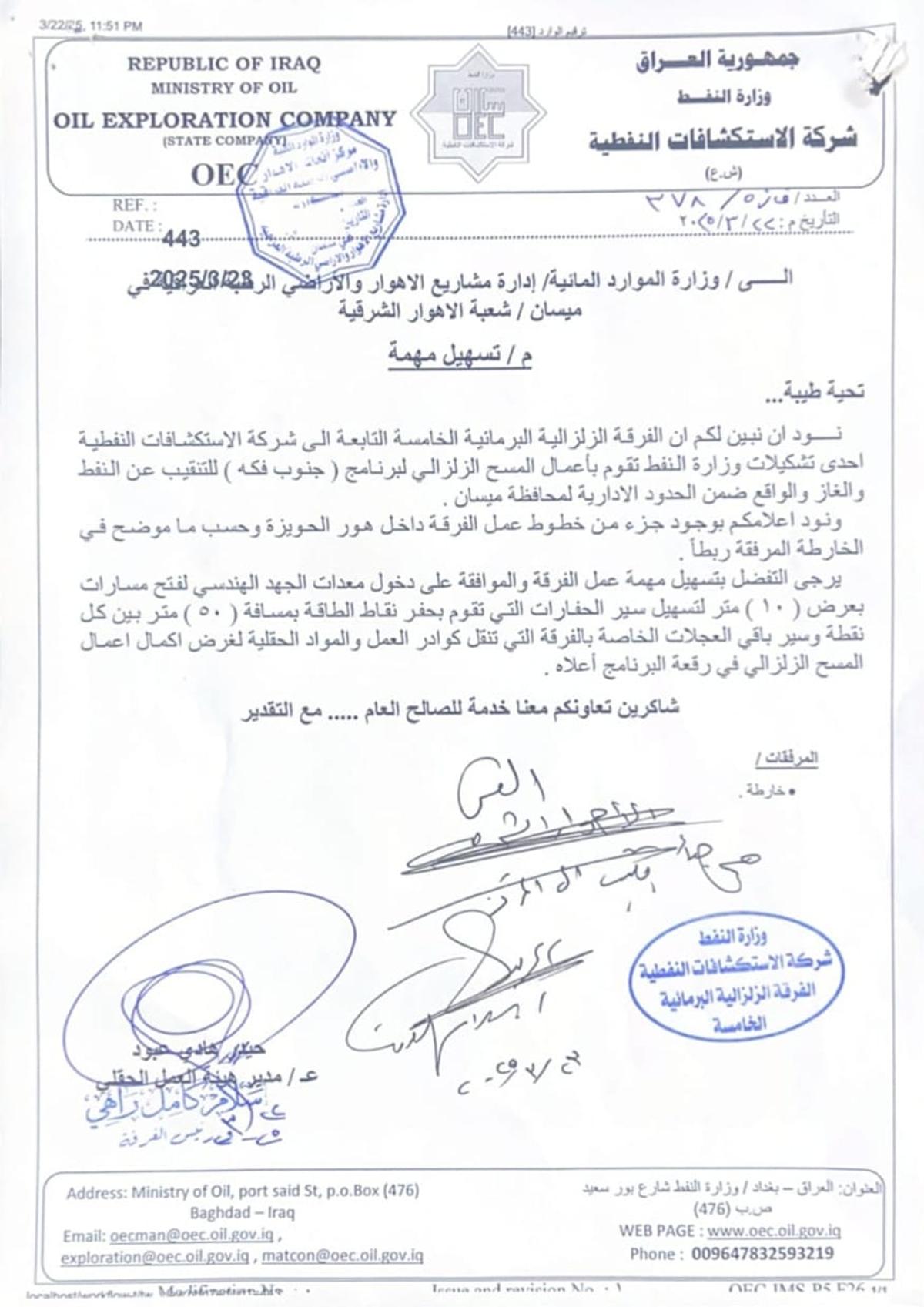
The corridors belong to a larger plan for Al-Hawizeh oil field, which extends across the Iran-Iraq border. In 2018, it was awarded to China’s Geo-Jade Petroleum. Oil exploration now stretches across approximately 300 square kilometers, from Fakkah to Musharrah. Already, 11,000 exploration points have claimed the last remaining waters of the marsh for oil.
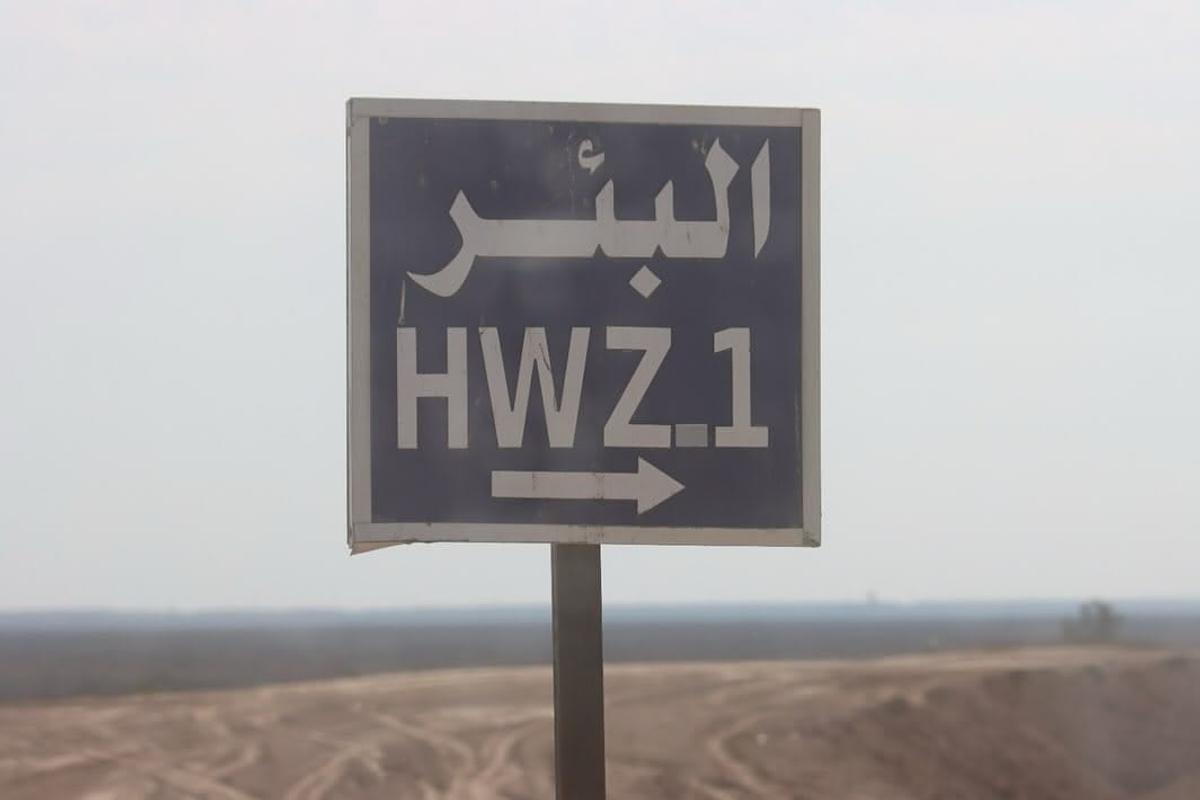
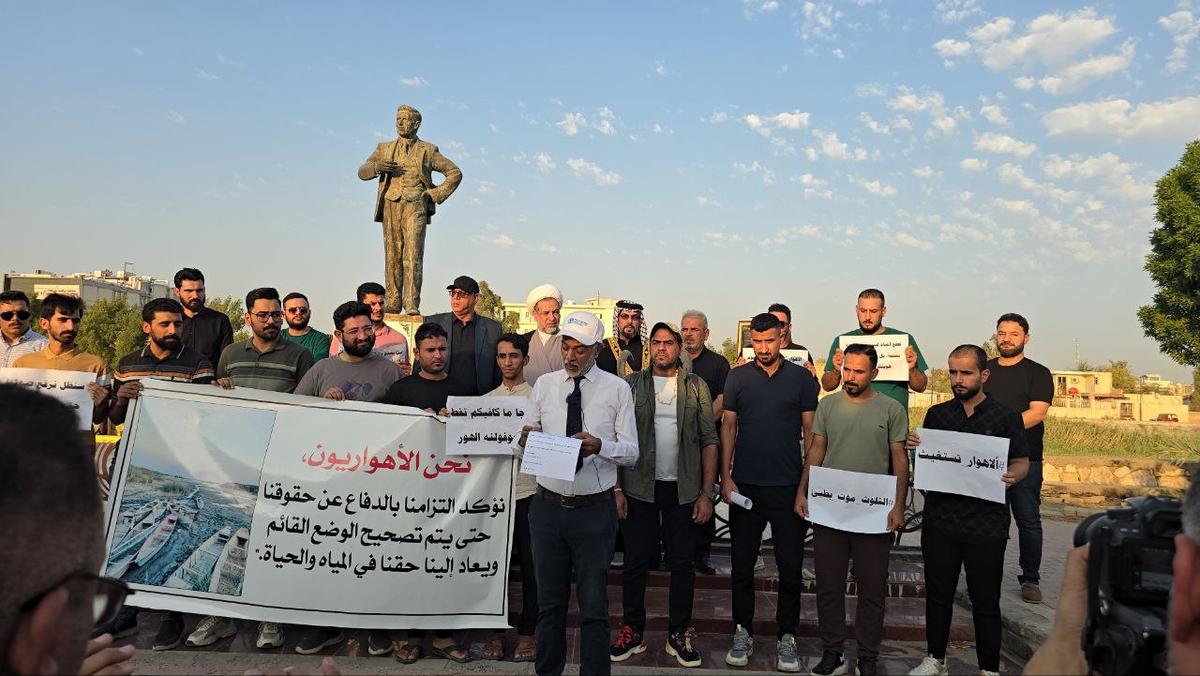
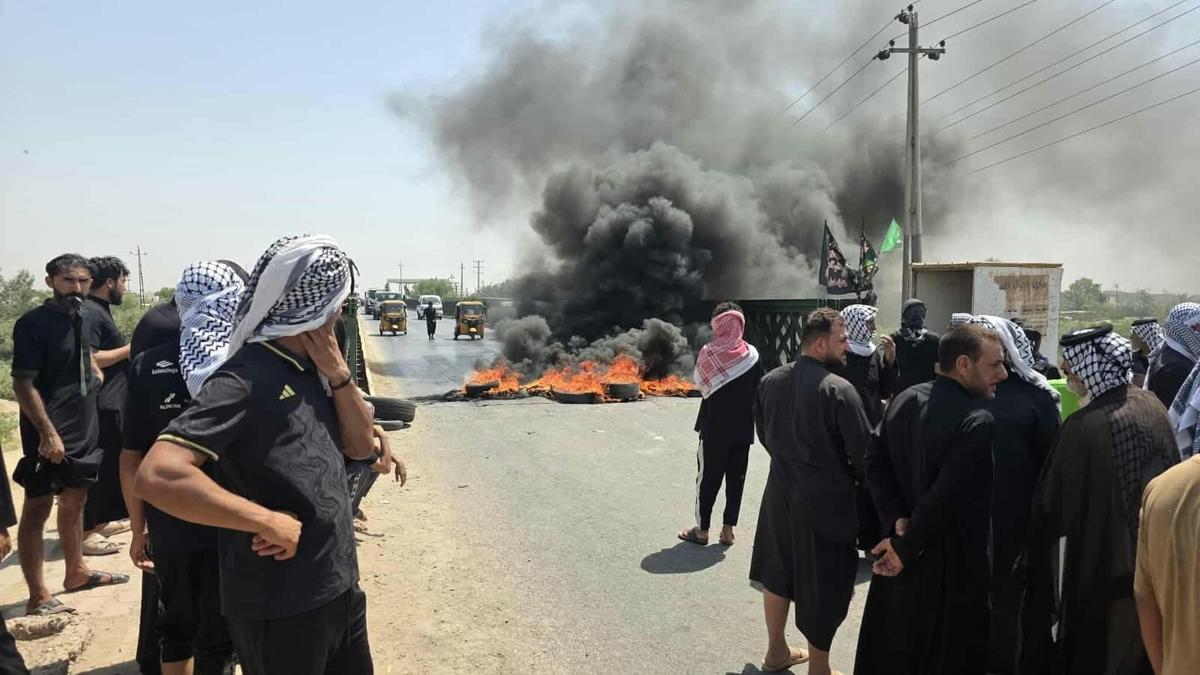
Because of the oil expansion, people really are migrating, and people are protesting: four protests in Al-Kahla alone and four in Al-Musharrah. And not a single official from the government has come, stepped up and taken responsibility, or even made a promise.Because of the oil expansion, people really are migrating, and people are protesting: four protests in Al-Kahla alone and four in Al-Musharrah. And not a single government official has come, stepped up, and taken responsibility, or even made a promise.
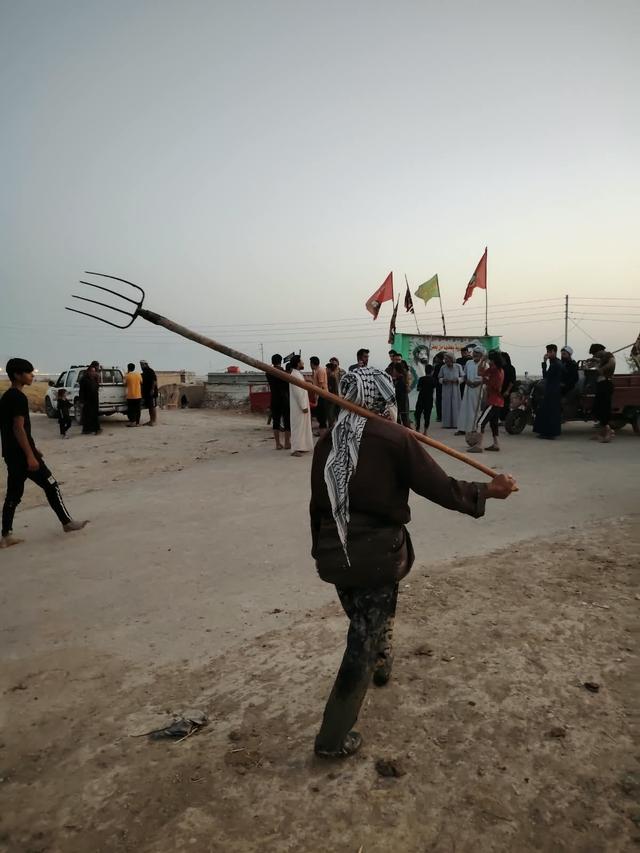
A taxidermied otter, a buffalo skull, and a fishing spear, joined the protests, representing the lives the oil industry threatens along with those of Ahwari people. The location of every protest marked a relation between infrastructure and injustice: they blocked the road used by oil trucks, they protested by the blocked underpass that they used to pass under by boat to enter the marsh, they held sit-ins outside the police station and checkpoints that would not grant them permission to herd their buffalo, fish, or gather reeds, and they surrounded the water regulator that controls how much water their rivers and marsh receive.
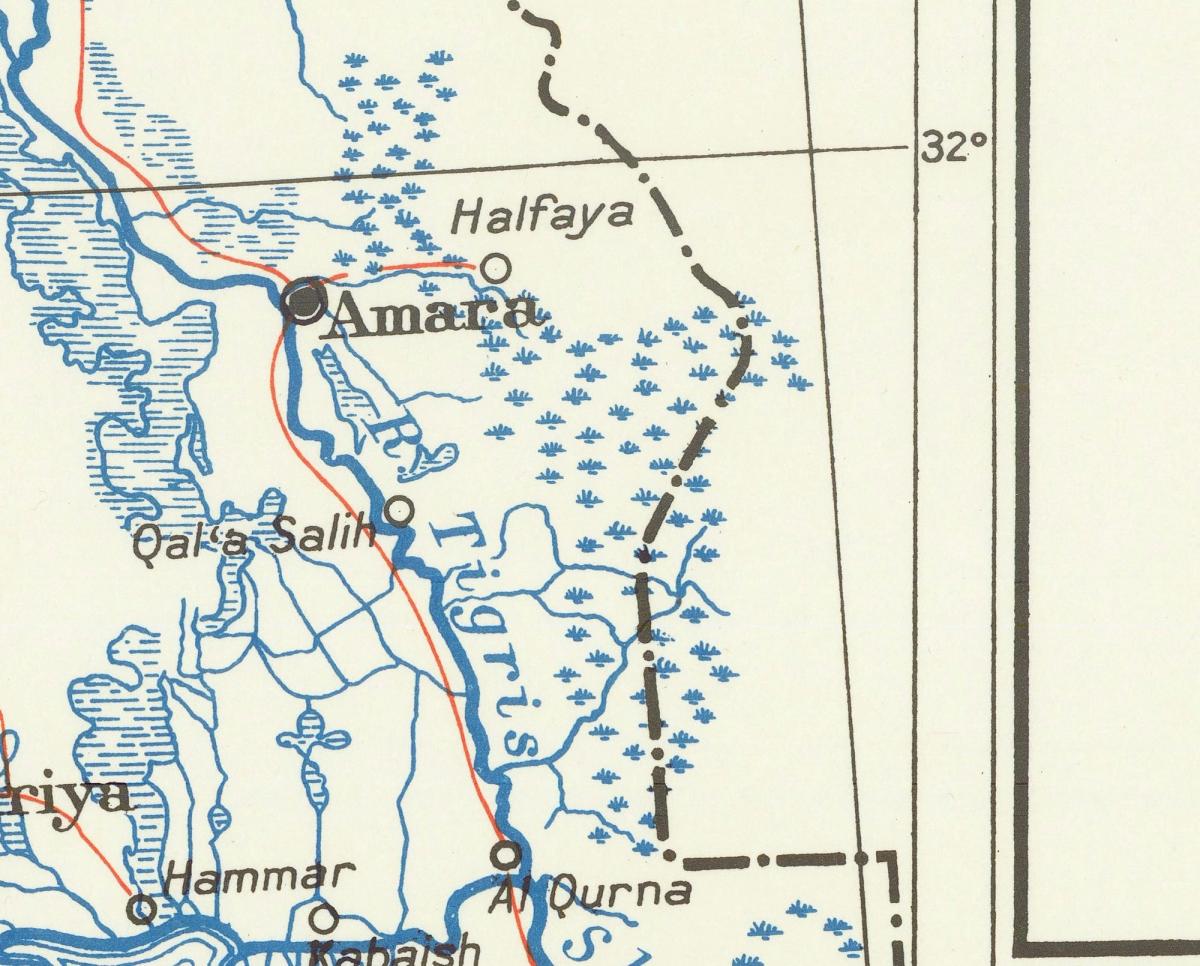
My grandfather would tell me that in the flood days, the marsh reached all the way to a place called Al-Kahla. Al-Kahla is far, 30 kilometers away. I was amazed. That place is really far; it didn't make sense. I asked him, "How could the marsh reach that far?" Later, I went back to the map of the Al-Hawizeh Marsh from the 1970s. I looked at these oil fields and these people, and none of it was there. None of this existed. All of it was reed forests and marsh. That was a shock for me. Now, this is Al-Hawizeh field that we're passing through. You can see all these red dots: none of them existed. All of them, all the way up to here, none of it existed.
More stories coming soon